

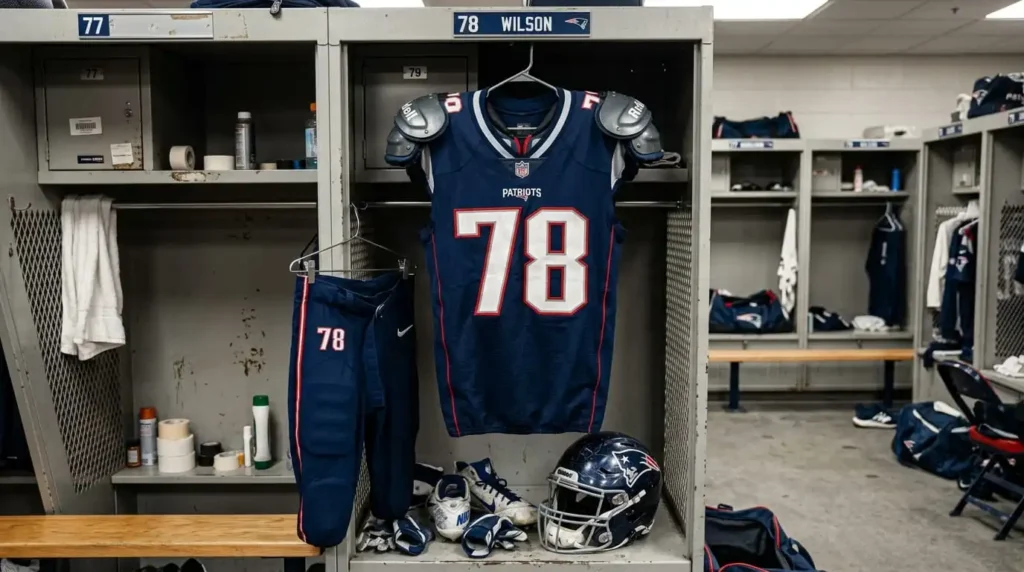
Designing American football uniforms is more complex than simply choosing colors and printing logos. Because the sport involves high-impact physical contact, fast movement, and heavy protective equipment, uniforms must balance durability, comfort, and team identity.
For teams, retailers, and sports academies planning bulk orders, following a structured American football uniform design checklist helps avoid costly mistakes and ensures the final uniforms meet performance expectations.
Understanding the Demands of American Football Apparel
American football uniforms must withstand one of the most physically demanding environments in sport. Players experience constant collisions, intense sprinting, and heavy sweating throughout games and training sessions.
Professional guidelines from National Football League highlight the importance of durable fabrics and secure uniform construction to ensure safety and performance during play.
Because of these conditions, manufacturers typically engineer football uniforms differently from standard team sports apparel.
1. Start With the Right Fabric
Fabric selection is the foundation of a reliable football uniform. Most modern jerseys and pants are made from polyester performance fabrics because they combine strength with flexibility.
The best materials typically provide:
-
strong tear resistance
-
stretch capability for mobility
-
moisture-wicking performance
-
durability through repeated washing
Research discussed by American Association of Textile Chemists and Colorists shows that advanced polyester blends are widely used in performance sportswear due to their resilience and color retention.
When sourcing uniforms in bulk, choosing the right fabric ensures the gear lasts through an entire season.
2. Ensure Proper Fit Around Protective Gear
Unlike many sports uniforms, American football kits must work alongside protective equipment such as shoulder pads and thigh guards.
This makes fit engineering extremely important. Jerseys must allow enough room for padding while still maintaining an athletic silhouette.
Teams often test sample uniforms during training sessions to confirm that:
-
shoulder seams sit correctly over pads
-
sleeve length allows free arm movement
-
pants remain stable during sprinting and tackling
Manufacturers that provide structured sampling processes help teams refine these details before final production.
3. Reinforced Stitching for High-Impact Areas
American football uniforms experience intense stress around specific areas of the garment.
High-quality uniforms typically feature reinforced stitching in:
-
shoulder seams
-
side panels
-
crotch and thigh areas
-
waistband sections
Technical sportswear publications such as Sports & Fitness Industry Association often emphasize that seam durability is just as important as fabric strength for high-contact sports.
Without reinforced construction, uniforms can fail quickly during games.
4. Customization and Team Identity
A football uniform also represents a team’s brand. Colors, numbers, and logos help create a recognizable identity for players and fans.
Most teams now prefer sublimation printing, which allows:
-
vibrant colors
-
durable logo integration
-
lightweight printing without added fabric layers
This method also helps maintain color consistency when ordering uniforms for large squads or entire leagues.
Teams planning bulk production or private label apparel can explore options through structured custom sports uniform manufacturing solutions here
5. Plan for Bulk Order Scalability
One of the biggest challenges for teams and organizations is ensuring that uniforms can be reordered later without design changes.
A reliable manufacturer should provide:
-
consistent sizing standards
-
repeatable color matching
-
archived design templates
-
scalable production for future seasons
This allows clubs to add new players or replace damaged gear without disrupting the overall team appearance.
6. Consider Climate and Game Conditions
American football is played in a variety of climates, from hot summer practices to cold autumn games.
Performance fabrics should therefore support:
-
breathability in warm weather
-
moisture control during intense activity
-
quick drying after sweat or rain exposure
Selecting adaptable materials ensures players remain comfortable regardless of conditions.
Final Thoughts
A well-designed American football uniform combines durability, fit, and team branding. By following a clear checklist—covering fabric quality, reinforcement, customization, and bulk production planning—teams can ensure their uniforms perform consistently throughout the season.
For clubs, leagues, and sportswear brands planning large orders, working with an experienced manufacturer helps simplify sourcing while maintaining professional-quality standards.
For custom American football uniforms or bulk team apparel inquiries:
WhatsApp: https://wa.me/ghcsportswear
Email: info@ghcsportswar.com