

How Weather Affects Equestrian Clothing Choices
Weather plays a critical role in equestrian riding comfort, safety, and overall performance. Because equestrian activities take place outdoors, riders are exposed to changing conditions such as heat, cold, wind, and rain. These factors directly affect equestrian clothing choices, influencing fabric selection, garment construction, and layering systems.
Understanding how weather affects equestrian clothing helps riders, trainers, and brands choose riding apparel that performs well across different seasons and climates.
Why Weather Matters in Equestrian Clothing
Equestrian riders often spend long hours outdoors during training, competition, or leisure riding. Clothing that does not match weather conditions can cause discomfort, restrict movement, and reduce focus while riding.
Weather-appropriate equestrian clothing helps riders:
-
Maintain stable body temperature
-
Improve comfort during long riding sessions
-
Reduce fatigue caused by heat or cold
-
Stay protected from wind and rain
-
Improve overall riding safety
Choosing the right clothing for different weather conditions is essential for consistent performance in equestrian sports.
Hot Weather and Summer Equestrian Clothing Choices
Hot and humid weather requires equestrian clothing that allows airflow and manages moisture efficiently. Heavy or poorly ventilated fabrics can trap heat, leading to overheating and discomfort.
In summer conditions, equestrian apparel should focus on:
-
Breathable fabrics that allow air circulation
-
Moisture-wicking materials to keep the skin dry
-
Lightweight construction to reduce heat retention
-
UV-resistant textiles for sun protection
Summer riding shirts, breeches, and base layers are commonly made from technical fabrics designed to keep riders cool while maintaining flexibility and durability.
Cold Weather and Winter Equestrian Apparel
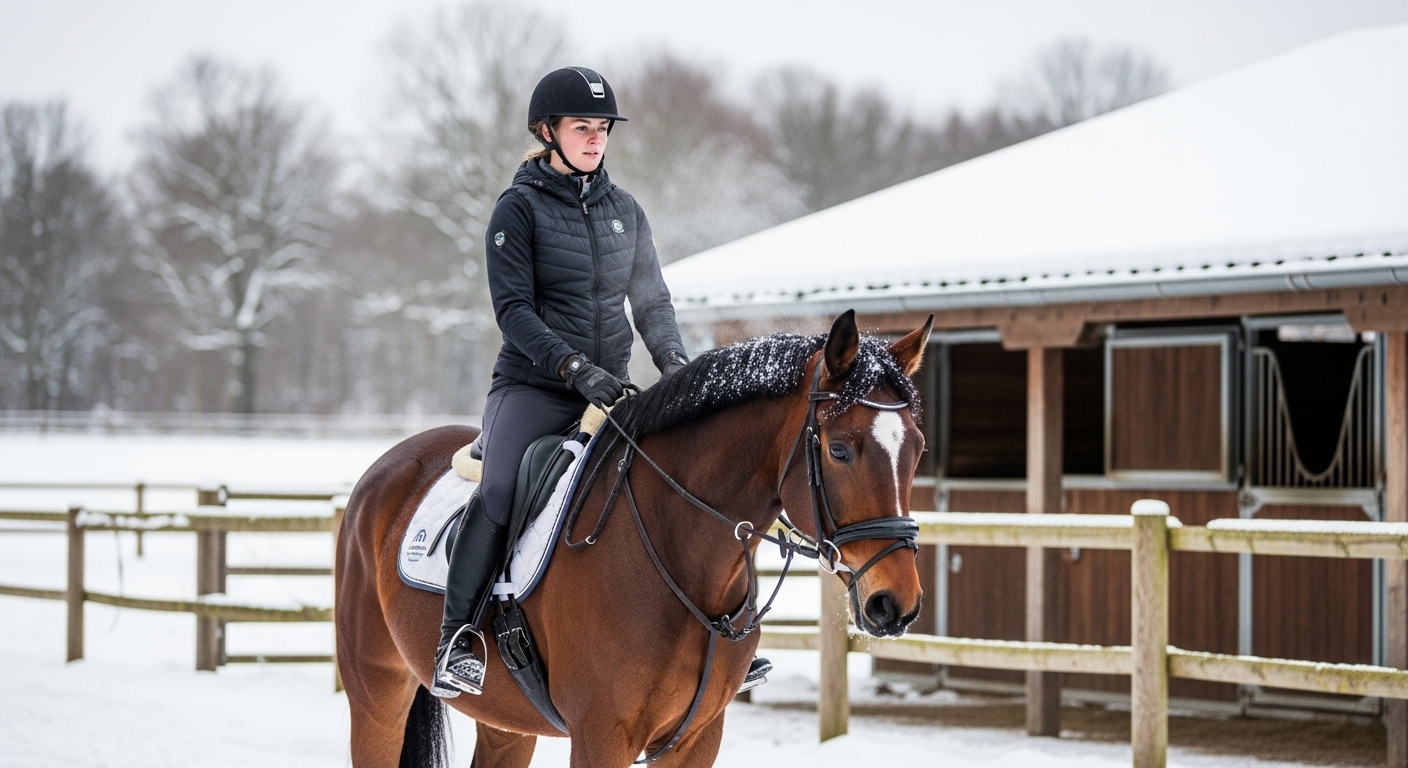
Cold weather presents a different challenge, requiring warmth without sacrificing movement. Winter equestrian clothing must insulate the rider while allowing freedom in the saddle.
Key features of winter equestrian apparel include:
-
Thermal insulation to retain body heat
-
Layer-friendly designs for temperature control
-
Wind-resistant outer layers
-
Soft inner linings for long-term comfort
Winter riding jackets, thermal breeches, and base layers help riders stay warm and focused during cold-weather riding sessions.
Rainy Conditions and Wet Weather Riding Apparel
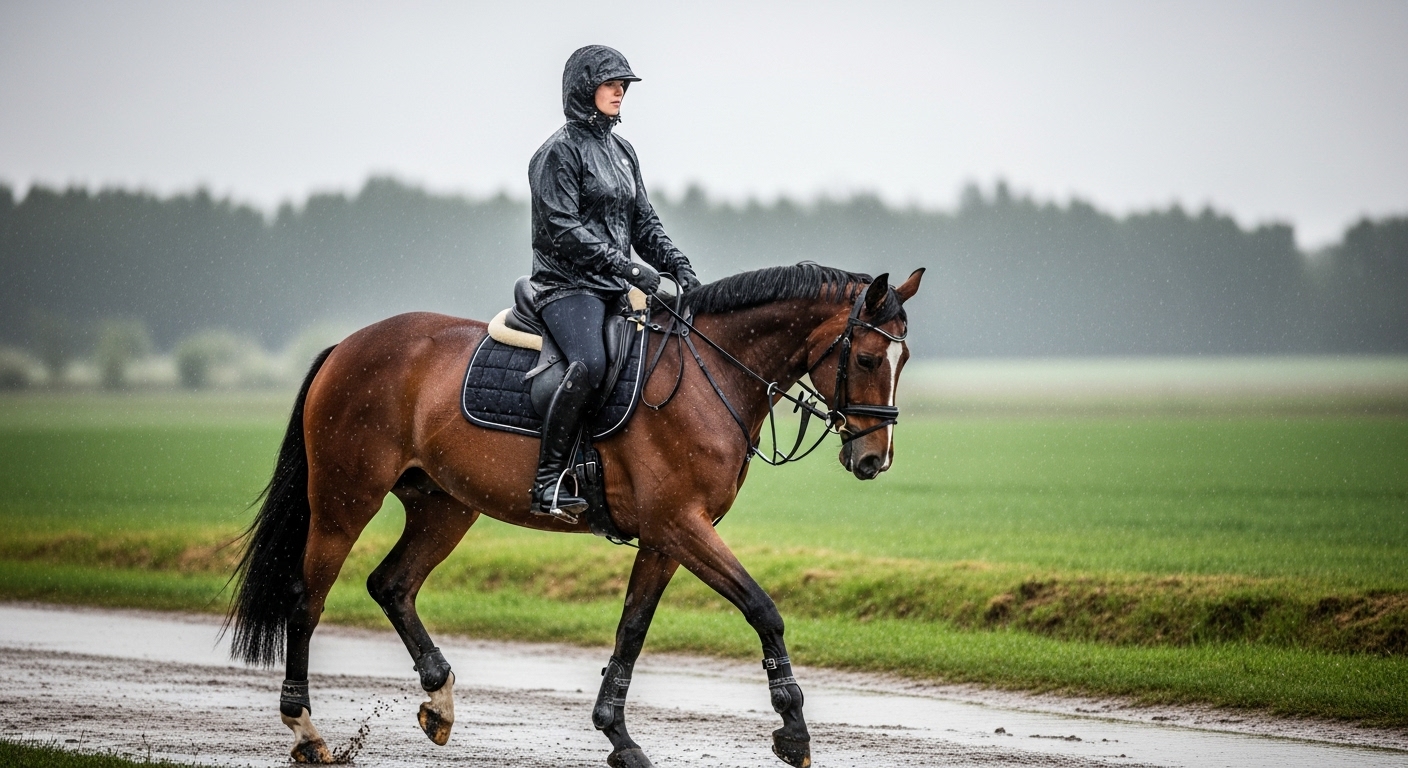
Rain and moisture can quickly make riding uncomfortable if equestrian clothing is not designed for wet conditions. Wet garments can become heavy and restrict movement.
Effective wet-weather equestrian clothing includes:
-
Water-resistant or waterproof fabrics
-
Sealed or taped seams to block moisture
-
Quick-drying materials
-
Breathable membranes to prevent overheating
Rain-appropriate outer layers help riders stay dry while remaining comfortable during active riding.
Windy Weather and Outdoor Riding Conditions
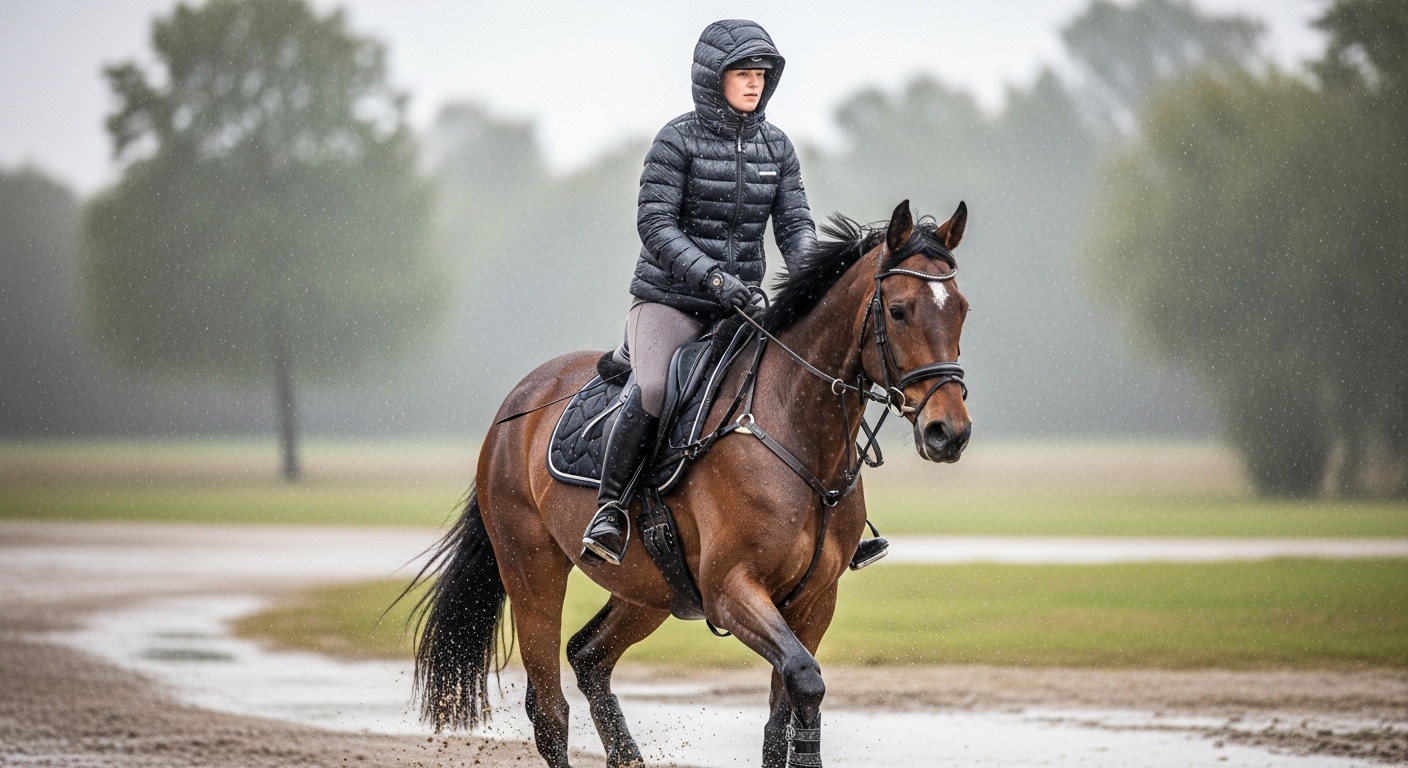
Wind can significantly impact rider comfort, even in mild temperatures. Wind exposure increases heat loss and may cause discomfort during extended rides.
Wind-focused equestrian apparel typically features:
-
Windproof outer shells
-
Close-fitting designs to reduce air resistance
-
Durable stitching for outdoor environments
Wind-resistant clothing is especially important for open fields, trail riding, and competition venues.
Seasonal Layering for Equestrian Riders
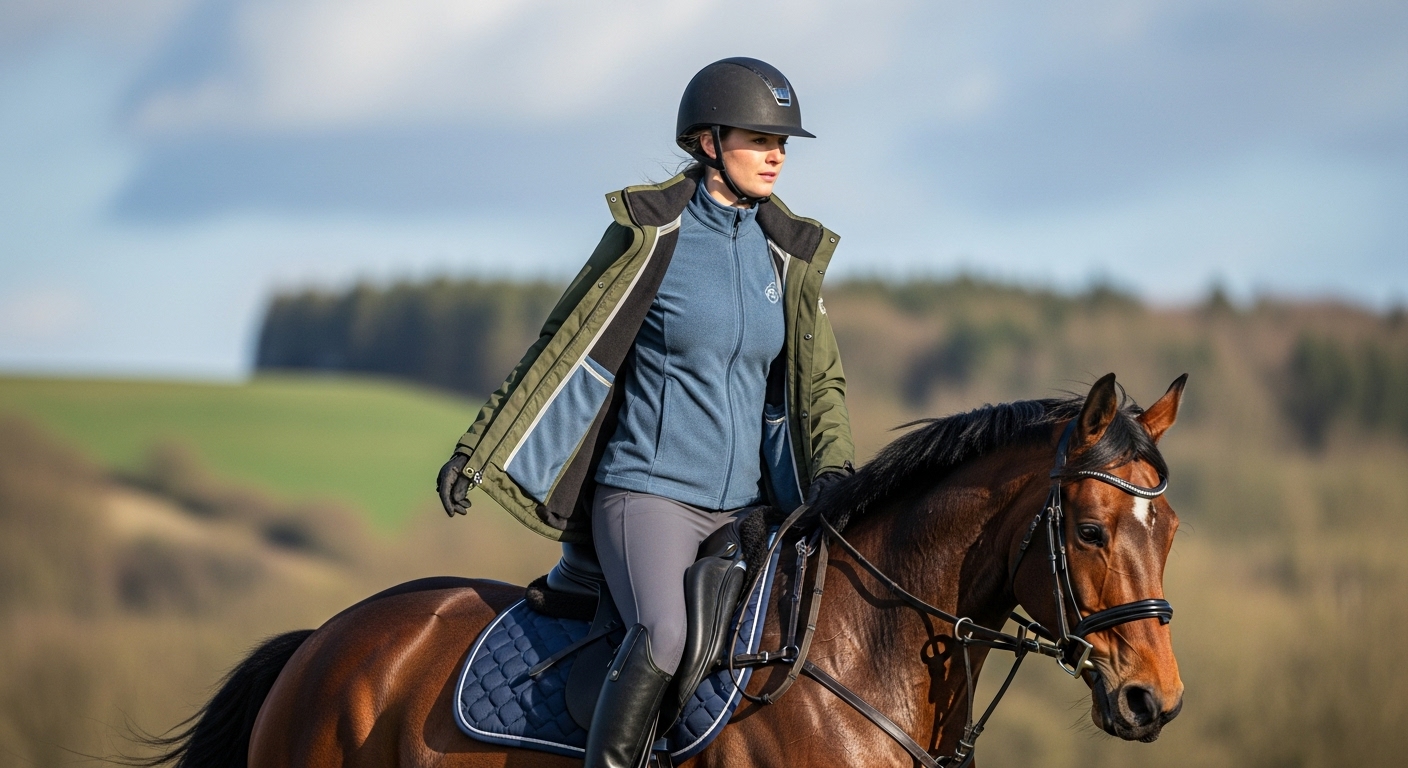
Layering is one of the most effective ways to adapt equestrian clothing to changing weather throughout the day. A layered system allows riders to adjust their apparel as conditions change. A typical equestrian layering system includes:
-
A base layer for moisture management
-
A mid layer for insulation
-
An outer layer for wind and rain protection
Layering helps riders stay comfortable without compromising mobility or performance.
How Weather Influences Fabric Selection in Equestrian Clothing
Fabric selection is closely linked to climate and weather conditions. Hot environments require breathable and lightweight textiles, cold climates demand insulating materials, and wet conditions require water-resistant fabrics.
Industry organizations such as Textile Exchange provide educational insights into technical and performance fabrics, helping explain how different materials behave in various environmental conditions.
Why Weather-Based Design Matters in Custom Equestrian Apparel
Weather-based design is an important factor in custom equestrian apparel manufacturing. Climate-specific clothing improves rider comfort, durability, and long-term performance.
Brands interested in understanding how riding apparel is produced can explore the equestrian apparel manufacturing process here: Our Blogs
For businesses looking into production Contact Us On WhatsApp
Final Thoughts
Weather has a direct impact on equestrian clothing choices. From summer heat to winter cold, rain, and wind, selecting the right apparel improves rider comfort, safety, and performance. Understanding these factors helps riders and brands make informed decisions and highlights the importance of weather-based design in equestrian clothing.