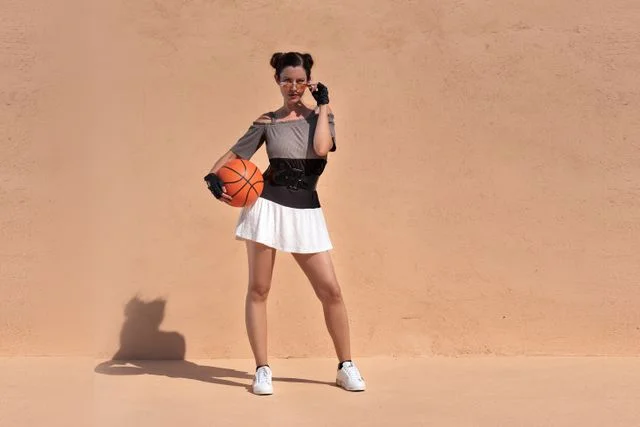
Custom Sportswear Manufacturing Guide for Brands & Startups
Custom sportswear manufacturing is one of the most important operational decisions a sportswear brand makes.
A strong design can attract attention.
A strong logo can build recognition.
Good marketing can generate the first sale.
But if the product behind the brand is inconsistent, uncomfortable, badly fitted or difficult to reproduce, growth becomes much harder.
Sportswear manufacturing has to translate a design into a physical product that can perform repeatedly across:
- Different sizes
- Different production batches
- Different colours
- Different customers
- Different seasons
- Future reorders
That requires more than cutting and sewing.
A complete sportswear manufacturing system connects:
Product planning → Fabric and trim sourcing → Sampling → Fit approval → Size grading → Branding → Bulk production → Quality control → Packaging → Fulfillment → Repeat manufacturing
For startups, this structure reduces costly development mistakes.
For established brands, wholesalers and distributors, it creates consistency at scale.
GHC Sportswear® supports sportswear brands, private label businesses, retailers, gyms, clubs, wholesalers and distributors with custom product development, sampling, OEM/ODM manufacturing, branding, packaging and bulk production.
What Is Custom Sportswear Manufacturing?
Custom sportswear manufacturing is the process of developing and producing performance or sports-inspired apparel according to a buyer’s own specifications.
Those specifications may control:
- Product design
- Fabric
- GSM
- Stretch
- Fit
- Size range
- Colours
- Panels
- Pockets
- Zippers
- Logos
- Printing
- Embroidery
- Labels
- Packaging
This is different from simply buying an existing garment and adding a logo.
A genuinely custom manufacturing project may change the entire product.
For example, a brand developing performance leggings might specify:
- 78% nylon / 22% elastane
- High-rise waistband
- Four-way stretch
- Matte finish
- Full-length inseam
- Hidden waistband pocket
- Flatlock seams
- Silicone logo
- Custom woven labels
- Branded packaging
The manufacturer then has to convert those requirements into a repeatable production specification.
That is the real purpose of custom sportswear manufacturing.
Why Sportswear Manufacturing Requires More Control Than Basic Apparel
Sportswear is exposed to greater physical demands than many ordinary garments.
Depending on the activity, products may experience:
- Stretching
- Sweating
- Repeated washing
- Abrasion
- Running
- Jumping
- Squatting
- Lifting
- Contact
- Outdoor use
A casual T-shirt may perform adequately if it is comfortable and visually acceptable.
A compression top or riding legging has additional requirements.
It may need:
- Controlled stretch
- Strong recovery
- Stable seams
- Correct fit under movement
- Moisture management
- Opacity
- Shape retention
This means sportswear should be developed from the intended activity backwards.
The question is not simply:
“What fabric looks good?”
The stronger question is:
“What does this garment need to do during actual use?”
The Custom Sportswear Manufacturing Process
A well-managed project moves through defined stages.
| Stage | Main Purpose | Key Output |
|---|---|---|
| Product planning | Define what will be manufactured | Product specification |
| Fabric and trim sourcing | Match materials to performance and design | Approved materials |
| Sampling | Convert specifications into a physical garment | Approved sample |
| Fit and sizing | Establish measurements and grading | Size system |
| Branding development | Approve logos, labels and decoration | Branding standards |
| Pre-production approval | Lock bulk-production details | Production reference |
| Bulk manufacturing | Reproduce the approved product | Finished garments |
| Quality control | Verify conformity | Approved bulk goods |
| Packaging | Prepare garments for sale or distribution | Packed products |
| Fulfillment | Prepare and dispatch the order | Shipment |
| Reorder control | Preserve specifications | Repeatable production |
Each stage depends on the quality of the stage before it.
Starting bulk production before product development is properly controlled simply pushes unresolved problems further into the manufacturing process.
Product Planning Comes Before Sampling
Many manufacturing problems begin before fabric is cut.
A buyer sends:
“I need premium gym wear.”
That is not yet a production specification.
The manufacturer still needs to understand:
- What product?
- For men or women?
- Fitted or relaxed?
- What fabric?
- What weight?
- What stretch?
- What climate?
- What performance level?
- Which colours?
- Which sizes?
- Which logo method?
- Which packaging?
The more uncertainty that remains at the start, the more revisions are likely later.
A structured product-planning process should define the product before manufacturing investment increases.
For deeper planning guidance, see Apparel Manufacturing Product Planning.
What Should a Sportswear Tech Pack Include?
A tech pack acts as the technical communication document between buyer and manufacturer.
Depending on the product, it can contain:
- Front and back sketches
- Product description
- Measurement chart
- Construction notes
- Fabric specification
- GSM
- Colour references
- Trim details
- Stitching
- Logo dimensions
- Logo positions
- Labels
- Packaging
- Care instructions
A tech pack should answer as many manufacturing questions as possible before sampling begins.
However, startups without a complete technical pack can still begin development using:
- Reference garments
- Detailed images
- Measurements
- Written specifications
- Design files
The important requirement is that uncertainty is progressively converted into documented decisions.
Two Common Product Development Routes
Brands often begin through one of two methods.
Physical Reference Sample
The buyer sends an existing garment that represents the desired:
- Fit
- Construction
- Fabric direction
- Measurements
- Finishing
The reference can then be reviewed and adapted.
This method can reduce interpretation errors because the manufacturer can physically inspect the product.
Tech Pack, Images and Specifications
The buyer provides:
- Drawings
- Images
- Measurements
- Fabric requirements
- Branding
- Construction details
The manufacturer develops the product through sampling.
Both routes can work.
The better route depends on how much product information the buyer already has.
Fabric Selection Is a Performance Decision
Fabric is one of the most important variables in custom sportswear manufacturing.
It affects:
- Comfort
- Stretch
- Recovery
- Breathability
- Moisture behaviour
- Weight
- Durability
- Printing
- Shape retention
- Cost
Sportswear fabrics frequently include:
- Polyester
- Polyester-spandex
- Nylon-spandex
- Interlock knits
- Jersey knits
- Mesh
- Scuba-style knits
- Fleece
- Technical stretch fabrics
Textile Exchange describes polyester as widely used across apparel because of characteristics including strength, durability and relatively fast drying.
But fibre content alone does not tell the whole story.
Two fabrics can both contain 90% polyester and 10% elastane while performing differently because of:
- Yarn
- Knit construction
- GSM
- Finishing
- Stretch direction
- Recovery
- Surface treatment
Buyers should therefore evaluate the actual fabric rather than relying only on fibre percentages.
Understanding GSM
GSM means grams per square metre.
It is a common way to describe fabric weight.
Higher GSM generally means more material per square metre, but it does not automatically mean higher quality.
For example:
- A lightweight running shirt may intentionally use a low GSM.
- A compression legging may require denser fabric.
- A winter tracksuit may require greater weight.
- A training jersey may prioritise airflow over thickness.
The correct GSM depends on the product.
Sportswear development should therefore avoid the simplistic rule:
Heavier = better.
The better rule is:
Suitable weight = better.
Fabric Direction by Sportswear Product
| Product | Typical Fabric Direction | Main Requirement |
| Gym T-shirt | Lightweight polyester performance knit | Breathability and moisture management |
| Compression top | Polyester-spandex or nylon-spandex | Stretch and recovery |
| Leggings | Dense high-stretch knit | Fit, recovery and opacity |
| Sports bra | Supportive stretch construction | Recovery and support |
| Tracksuit | Interlock, scuba or technical knit | Structure and comfort |
| Training shorts | Lightweight stretch or woven fabric | Movement |
| Hoodie | Cotton-poly fleece or performance fleece | Comfort and warmth |
| Running jacket | Lightweight technical woven | Low weight and weather management |
| Base layer | Stretch technical knit | Close fit and moisture control |
These are manufacturing directions, not universal specifications.
The final material should match the target product.
Fabric Testing Before Bulk Production
A serious sportswear project may require evaluation of fabric performance before bulk approval.
Depending on the product, buyers may consider:
- Stretch
- Recovery
- Pilling
- Colourfastness
- Shrinkage
- Abrasion
- Moisture management
- Opacity
Not every product requires laboratory testing.
But buyers should identify critical performance requirements before production begins.
For example, a gym legging brand may care heavily about:
- Stretch recovery
- Pilling
- Squat opacity
- Colourfastness
A hoodie brand may prioritize:
- Shrinkage
- Pilling
- Colour consistency
- Fabric weight
Testing requirements should reflect real product risk.
Fabric and Trim Sourcing Must Be Controlled Together
Sportswear is not made from fabric alone.
Trims may include:
- Zippers
- Elastic
- Drawcord
- Cord ends
- Snaps
- Thread
- Labels
- Patches
- Reflective tape
- Silicone badges
- Packaging
A high-quality fabric combined with a weak zipper still creates a weak product.
This is why material sourcing should evaluate the entire garment system.
The broader sourcing process is covered in Fabric and Trim Sourcing.
Sampling Turns the Idea Into a Product
Sampling is one of the most important stages of sportswear manufacturing.
The sample allows the buyer to evaluate whether the design works physically.
A sportswear sample can reveal:
- Incorrect fit
- Wrong garment length
- Unsuitable fabric
- Weak stretch
- Poor pocket placement
- Incorrect logo size
- Colour problems
- Construction issues
Digital artwork cannot reveal all of these.
A garment needs to be made, worn and reviewed.
Read the complete Apparel Sampling Process for the wider sampling framework.
Common Sportswear Sample Types
Depending on the project, development may include:
Prototype Sample
Used to translate the first design into a physical product.
Fit Sample
Used primarily to review:
- Measurements
- Shape
- Movement
- Comfort
Revised Sample
Produced after corrections.
Size Set
Used to review grading across several sizes.
Pre-Production Sample
Represents the approved specification before bulk manufacturing begins.
Not every order requires every sample type.
But the sample stage should provide enough confidence to release bulk production responsibly.
Fit Is Part of Product Performance
Sportswear fit affects more than appearance.
A garment that is too tight may:
- Restrict movement
- Create discomfort
- Distort seams
A garment that is too loose may:
- Move excessively
- Reduce intended support
- Change visual positioning
Different sportswear categories require different fits.
A compression legging and oversized training shirt should not be developed from the same fit logic.
Fit may be:
- Compression
- Fitted
- Athletic
- Regular
- Relaxed
- Oversized
The intended fit should be written into the product specification rather than left to interpretation.
Sportswear Sizing Needs Consistency
Sizing can become a major commercial problem when batches change.
Imagine:
First production: Medium fits customer correctly.
Second production: Medium fits like Small.
Even if both garments are individually well made, the brand now has a consistency problem.
That affects:
- Customer confidence
- Retailer trust
- Returns
- Reviews
- Reorders
The manufacturer should therefore retain:
- Measurement charts
- Patterns
- Grading
- Approved samples
- Production references
Consistency between batches is as important as consistency inside one order.
Men’s, Women’s and Unisex Fits
A sportswear collection may use:
- Men’s patterns
- Women’s patterns
- Unisex patterns
These should not be treated as interchangeable by simply changing size labels.
Depending on product positioning, women’s products may require different:
- Chest proportions
- Waist shaping
- Hip shaping
- Rise
- Inseam
- Garment length
Men’s and unisex patterns may also require different body proportions.
The brand should define its intended customer before sizing is developed.
Stretch and Recovery
Stretch fabric must return toward its original shape after movement.
If recovery is weak, products may:
- Bag at the knees
- Sag at the waistband
- Stretch around elbows
- Lose compression
- Change appearance after wear
This is particularly important in:
- Leggings
- Sports bras
- Compression garments
- Base layers
- Cycling apparel
Fabric stretch should therefore be considered together with recovery.
Maximum stretch alone is not enough.
Opacity in Leggings and Compression Bottoms
Opacity becomes important for fitted lower-body products.
A fabric may appear opaque while lying flat but become more transparent when stretched.
For products such as:
- Gym leggings
- Yoga leggings
- Compression tights
- Riding leggings
the material should be evaluated under realistic extension.
This is commonly referred to by consumers as squat-proof performance.
The requirement should be checked during sampling rather than discovered through customer reviews.
Seam Construction Matters
Sportswear seams are exposed to repeated movement.
Construction may use:
- Overlock
- Coverstitch
- Flatlock
- Reinforced seams
- Conventional lockstitch in selected areas
The correct method depends on:
- Fabric
- Stretch
- Garment type
- Seam position
A highly stretchable fabric joined with an unsuitable rigid construction may fail even when the material itself is excellent.
Product performance depends on how all components work together.
Sportswear Branding and Surface Design
Branding turns a technically sound garment into a recognizable branded product.
Sportswear decoration methods may include:
- Sublimation
- Screen printing
- Heat transfer
- DTF
- Embroidery
- Silicone logos
- Rubber patches
- Woven labels
Each method affects the product differently.
A large embroidery may work well on a hoodie but be unsuitable for a lightweight fitted running shirt.
A heavy transfer may change the hand feel of a breathable technical panel.
The decoration method should therefore be selected with the garment, not after it.
For the complete decoration framework, read Surface Design Apparel.
Sublimation
Sublimation is particularly relevant for polyester sportswear.
It can support:
- Full-colour designs
- Gradients
- Patterns
- Numbers
- Names
- Sponsor graphics
- All-over artwork
Because the design is integrated into suitable polyester material, sublimation can maintain a lightweight surface.
It is widely used for:
- Football uniforms
- Basketball kits
- Cycling apparel
- Running shirts
- Training garments
Heat Transfer
Heat transfer is frequently used for:
- Small logos
- Player names
- Numbers
- Sponsor marks
- Reflective details
Its performance depends on:
- Film
- Adhesive
- Heat
- Pressure
- Time
- Fabric compatibility
The logo should be tested on the actual production fabric.
Embroidery
Embroidery offers a textured premium appearance.
It works particularly well on:
- Hoodies
- Tracksuits
- Jackets
- Polo shirts
- Caps
- Bags
However, embroidery adds stitch density and local stiffness.
That makes it less appropriate for some lightweight, highly stretchable garments.
Method selection should follow product function.
Private Label Sportswear Manufacturing
Private label manufacturing allows a brand to sell products under its own identity without owning the manufacturing facility.
Private label customization can include:
- Custom design
- Fabric
- Colours
- Logo
- Woven labels
- Size labels
- Care labels
- Hang tags
- Packaging
The brand remains visible to the customer.
The manufacturer supports the product-development and production process.
For a full explanation, see the Private Label Apparel Manufacturing Guide.
OEM Sportswear Manufacturing
OEM commonly refers to manufacturing products according to the buyer’s own specifications.
For example, the buyer may provide:
- Tech pack
- Fabric
- Measurements
- Artwork
- Packaging
The manufacturer produces according to those requirements.
This model suits brands that already have a developed product concept.
ODM Sportswear Manufacturing
ODM generally involves more manufacturer participation in the development process.
A buyer may provide:
- Product idea
- Target market
- Reference images
- Performance requirements
The manufacturer then helps convert those requirements into a manufacturable product.
The exact division between OEM and ODM varies between companies.
The most important point is to define who is responsible for each product-development decision.
Bulk Production Begins After Approval
Bulk production should begin only when the buyer and manufacturer have clearly agreed on the product.
That normally means approving:
- Fabric
- Colour
- Measurements
- Fit
- Construction
- Branding
- Labels
- Packaging
The production team should work from controlled specifications.
Not scattered messages.
Not old files.
Not assumptions.
This connects sportswear manufacturing directly with Controlled Manufacturing.
Production Planning
Before cutting bulk fabric, manufacturing should consider:
- Order quantity
- Material availability
- Colour quantities
- Size breakdown
- Printing requirements
- Embroidery requirements
- Sewing capacity
- Packaging
- Delivery timing
A manufacturing schedule should coordinate these stages.
For example:
Fabric available + branding not ready = delay
Printing complete + trims missing = delay
Garments finished + packaging missing = delay
A strong production plan considers the full order rather than one department at a time.
Cutting
Cutting converts fabric into garment components.
Accuracy matters because cutting influences:
- Measurements
- Symmetry
- Panel alignment
- Fabric consumption
Stretch materials also require appropriate handling.
Errors made during cutting affect every subsequent production stage.
Printing and Embroidery Before Assembly
Some branding applications must be completed before the garment is fully sewn.
For example:
- Sublimated panels
- Screen-printed panels
- Embroidered chest pieces
Applying decoration at the correct production stage reduces handling problems.
This should be planned during sampling.
Sewing and Assembly
During sewing, production should control:
- Seam type
- Stitch density
- Thread
- Measurements
- Panel matching
- Reinforcement
- Trim installation
Sportswear requires particular attention at high-stress areas.
These may include:
- Crotch seams
- Armholes
- Waistbands
- Pocket openings
- Zipper ends
- Shoulder seams
Construction should match the intended movement.
Quality Control Should Happen During Production
Waiting until all garments are finished is risky.
A better quality-control structure may include:
Incoming Material Check
Confirm fabric and trims.
First-Piece Check
Confirm the first pieces coming from production.
In-Line Inspection
Identify recurring defects while production continues.
End-Line Inspection
Review completed garments.
Final Inspection
Check finished order before packing or release.
Quality is easier to protect when errors are stopped early.
What Sportswear Quality Control Should Check
Depending on the product, inspection may cover:
- Fabric
- Colour
- Measurements
- Stitching
- Seams
- Zippers
- Pockets
- Logos
- Print placement
- Labels
- Finishing
- Packaging
Typical defects may include:
- Skipped stitches
- Open seams
- Uneven measurements
- Incorrect logo position
- Wrong colour
- Damaged fabric
- Stains
- Missing labels
The accepted tolerance and inspection requirement should reflect the buyer’s project.
Packaging Is Part of the Product
Packaging protects the garment and communicates the brand.
Private label sportswear packaging can include:
- Individual polybags
- Recyclable or paper-based alternatives
- Size stickers
- Barcode labels
- Branded bags
- Tissue
- Hang tags
- Cartons
The packaging specification should be decided before the end of production.
For the complete framework, read Apparel Packaging.
Order Fulfillment
Manufacturing is not complete simply because garments have passed sewing.
Orders still need to be:
- Counted
- Sorted
- Packed
- Verified
- Documented
- Prepared for dispatch
For B2B orders containing multiple:
- Styles
- Sizes
- Colours
- SKUs
fulfillment accuracy becomes increasingly important.
See the Order Fulfillment Process for the full manufacturing-side fulfillment framework.
Repeat Production Is Where Manufacturing Systems Are Tested
A startup may initially focus on getting the first order right.
A mature brand also asks:
Can the supplier reproduce this product six months later?
Repeat production depends on retained references such as:
- Pattern
- Size chart
- Fabric
- Colour
- Artwork
- Logo dimensions
- Labels
- Packaging
- Approved sample
If these records disappear, every reorder becomes another development project.
Repeatability is therefore a major part of supplier value.
Sportswear Product Categories
A sportswear manufacturer may support many different products.
Examples include:
- Gym T-shirts
- Training tops
- Compression wear
- Tracksuits
- Hoodies
- Jackets
- Shorts
- Leggings
- Sports bras
- Yoga wear
- Running apparel
- Cycling apparel
- Team training wear
- Sports uniforms
- Lifestyle sportswear
These categories do not all require the same:
- Fabric
- Pattern
- Machine setup
- Decoration
- Quality checks
Manufacturing capability should be assessed by product rather than by generic claims.
Explore the wider GHC Sportswear® product range.
Custom Sports Uniforms vs General Sportswear
Sports uniforms are a specialized part of the broader sportswear category.
They often require:
- Team colours
- Player numbers
- Player names
- Sponsor logos
- Club identity
- Competition requirements
- Repeat replacement pieces
General sportswear may focus more heavily on:
- Retail collections
- Gym use
- Running
- Lifestyle apparel
- Individual consumer sizing
For detailed teamwear development, use the dedicated Custom Sports Uniforms Guide.
This keeps the two pillar topics clearly separated:
Custom Sportswear Manufacturing Guide = manufacturing system
Custom Sports Uniforms Guide = teamwear and uniform system
Sportswear Manufacturing for Startups
Startups face a unique challenge.
They need enough customization to create a real brand without creating unnecessary complexity before demand is proven.
A practical first collection might use:
- Fewer styles
- Controlled colourways
- Shared fabrics
- Limited trim options
- Consistent branding
This makes:
- Sampling easier
- Production easier
- Inventory easier
- Reorders easier
A startup does not need twenty products to appear serious.
It needs a small number of products that are developed properly.
Minimum Order Quantity
MOQ depends on factors such as:
- Product
- Fabric
- Colour
- Decoration
- Custom trims
- Supplier minimums
GHC Sportswear® can support low-quantity development, including MOQ options as low as 1 depending on the specific product and project.
However, very small quantities and bulk production do not have identical economics.
Larger orders can distribute costs associated with:
- Patterns
- Artwork
- Printing setup
- Custom labels
- Moulds
- Material purchasing
Buyers should evaluate quantity together with long-term order planning.
Common Sportswear Manufacturing Mistakes
Brands can reduce unnecessary delays and costs by avoiding recurring mistakes.
No Clear Specification
If nobody knows exactly what is being made, sampling becomes guesswork.
Choosing Fabric by Appearance Only
Sportswear material must perform.
Skipping Samples
Unapproved fit and construction increase bulk-production risk.
Changing Design During Production
Late changes create delays and inconsistency.
Ignoring Size Grading
One approved medium does not automatically guarantee a good XS–3XL range.
Using the Wrong Branding Method
Decoration needs to match fabric and product use.
Selecting Suppliers Only by Price
The lowest quote does not automatically offer the best total value.
Ignoring Packaging Until the End
Custom packaging can require additional development and sourcing time.
No Reorder Documentation
Repeat production becomes less predictable without retained specifications.
What Actually Changes Sportswear Manufacturing Cost?
Sportswear pricing depends on multiple variables.
| Cost Factor | Why It Matters |
| Fabric | Technical and specialty materials affect cost |
| GSM | Fabric consumption changes |
| Quantity | Influences manufacturing efficiency |
| Pattern complexity | More panels and operations increase labour |
| Zippers and trims | Hardware can materially change cost |
| Printing | Method, area and colours affect production |
| Embroidery | Stitch count affects production time |
| Custom labels | Adds sourcing and application |
| Packaging | Retail-ready presentation adds materials |
| Testing | Requested laboratory work adds cost |
| Shipping | Weight, volume and destination affect freight |
This is why accurate quotations require detailed product specifications.
Sample Cost vs Bulk Cost
Sample production usually costs more per unit than bulk production.
A sample may require:
- Pattern development
- Fabric sourcing
- Artwork setup
- Logo development
- Machine setup
- Manual adjustments
Those development activities are concentrated into one or a few garments.
In bulk production, setup costs are distributed across a larger quantity.
Buyers should therefore avoid comparing the sample unit cost directly with mass-production pricing.
How Long Does Sportswear Manufacturing Take?
There is no universal production timeline.
Timing depends on:
- Product complexity
- Sample revisions
- Fabric availability
- Custom colours
- Custom trims
- Quantity
- Printing
- Testing
- Packaging
A realistic project should allow time for both:
development
and
bulk production
Trying to compress development too aggressively can increase the risk of mistakes.
What Brands Should Ask a Sportswear Manufacturer
Before selecting a supplier, ask practical questions.
Does the manufacturer support:
- Sampling?
- Fabric sourcing?
- Custom patterns?
- Size grading?
- Printing?
- Embroidery?
- Custom labels?
- Packaging?
- Low MOQ?
- Bulk production?
- Repeat orders?
- Quality control?
Also ask:
- What files are required?
- How are samples approved?
- What is the normal production process?
- How are bulk changes controlled?
- How are reorders reproduced?
Manufacturing capability should be evaluated through process, not marketing language alone.
Cross-Category Manufacturing for B2B Buyers
Some buyers operate across several product categories.
A distributor may sell:
- Sportswear
- Team uniforms
- Equestrian products
- Motorcycle apparel
A brand may begin with:
- Leggings
- Hoodies
and later expand into:
- Tracksuits
- Teamwear
- Bags
- Accessories
Cross-category manufacturing can reduce supplier fragmentation when one partner has the relevant capability.
However, each category should still follow its own technical requirements.
GHC Sportswear® supports additional B2B categories including custom wholesale sports uniforms, custom equestrian gear and custom motorbike gear.
Business Operations Matter as the Brand Scales
Manufacturing becomes more difficult as order volume and product count increase.
Growth creates more:
- SKUs
- Suppliers
- Colours
- Sizes
- Shipments
- Customer requirements
Brands therefore need operational systems around their manufacturing.
This includes:
- Product records
- Reorder control
- Supplier information
- Quality data
- Order tracking
- Packaging specifications
For the broader operational framework, read Business Operations Management.
How GHC Sportswear® Supports Custom Sportswear Manufacturing
GHC Sportswear® has supported B2B sportswear and apparel buyers since 2014.
Manufacturing support can include:
- OEM manufacturing
- ODM product development
- Private label sportswear
- Product planning
- Fabric sourcing
- Trim sourcing
- Pattern development
- Sampling
- Size grading
- Custom colours
- Sublimation
- Screen printing
- Heat transfer
- DTF
- Embroidery
- Silicone logos
- Rubber badges
- Woven labels
- Care labels
- Hang tags
- Private label packaging
- Bulk manufacturing
- Quality control
- Repeat-order production
Projects are developed according to the actual product and buyer requirements.
The objective is not simply to produce one good garment.
It is to build an approved specification that can be reproduced in bulk.
Who GHC Sportswear® Works With
GHC Sportswear® supports B2B buyers including:
- Sportswear startups
- Established apparel brands
- Private label businesses
- Gyms
- Fitness brands
- Retailers
- Wholesalers
- Distributors
- Sports clubs
- Academies
- Schools
Projects can range from early sampling to repeat bulk manufacturing.
What Buyers Should Send Before Requesting a Quote
The more information provided, the more accurately a manufacturer can assess the project.
Useful information includes:
- Product type
- Quantity
- Target customer
- Reference images
- Tech pack if available
- Fabric
- GSM
- Colour
- Size range
- Measurement chart
- Logo files
- Branding method
- Labels
- Packaging
- Required testing
- Destination country
- Required date
- Sample requirement
Example:
“We need 500 private label performance tracksuits for a European sportswear brand. Fabric should be approximately 240 GSM polyester-spandex interlock with four-way stretch and matte finish. Jacket requires raglan sleeves, reverse-coil zipper, hidden zip pockets and silicone chest branding. Pants should have a straight relaxed leg. Sizes XS–2XL. Custom woven labels and packaging required. We need a sample before bulk production.”
That gives the manufacturer something meaningful to evaluate.
Contact and Project Information
Sportswear brands, startups, gyms, retailers, wholesalers, distributors and private label businesses can contact GHC Sportswear® for:
- Product feasibility review
- Tech pack review
- Fabric selection
- Sampling
- Sportswear product development
- OEM manufacturing
- ODM manufacturing
- Private label sportswear
- Branding
- Packaging
- Bulk production
- Repeat orders
Contact GHC Sportswear® through WhatsApp, email info@ghcsportswear.com, or send requirements through the GHC Sportswear® contact page.
GHC Sportswear® Official Profiles and Business Links
Visit the GHC Sportswear® official website for custom sportswear, private label apparel, sports uniforms, equestrian gear, motorcycle gear and B2B manufacturing information.
Follow GHC Sportswear® on TikTok, Threads, Instagram, the Instagram Channel, Pinterest, LinkedIn, YouTube, Facebook, Medium, Quora, X, Bluesky, and the WhatsApp Channel.
GHC Sportswear® is also listed on B2BMAP, Alibaba TrustPass, EC21, Blinx, and Wikidata.
Frequently Asked Questions About Custom Sportswear Manufacturing
What is custom sportswear manufacturing?
Custom sportswear manufacturing is the development and production of sportswear according to a buyer’s own design, fabric, fit, size, colour, branding, label and packaging requirements.
What is the difference between custom sportswear and ready-made sportswear?
Ready-made sportswear uses existing manufacturer or retailer specifications. Custom manufacturing allows the buyer to control the product specification.
What products can a sportswear manufacturer make?
Depending on capability, products may include gym shirts, tracksuits, leggings, compression wear, sports bras, hoodies, shorts, jackets, training wear and sports uniforms.
What is OEM sportswear manufacturing?
OEM manufacturing generally means producing according to the buyer’s specifications, designs or technical files.
What is ODM sportswear manufacturing?
ODM generally includes greater manufacturer involvement in product development in addition to manufacturing.
What is private label sportswear?
Private label sportswear is manufactured for sale under the buyer’s own brand identity.
Do I need a tech pack?
A detailed tech pack is strongly useful, but development can also begin from reference products, images, measurements and written specifications.
Can a manufacturer copy a physical sample?
A physical reference sample can be used as a development reference when the buyer has the right to reproduce the design. Specifications and requested modifications should still be documented.
What fabrics are commonly used in sportswear?
Common materials include polyester, polyester-spandex, nylon-spandex, mesh, interlock, jersey, fleece and other technical knitted or woven fabrics.
What does GSM mean?
GSM means grams per square metre and is used to describe fabric weight.
Is higher GSM always better?
No. The correct GSM depends on the product. Running garments may require lightweight fabric, while compression or winter products may use denser materials.
What fabric is best for leggings?
High-stretch nylon-spandex or polyester-spandex fabrics are common, but the correct fabric should also provide suitable recovery, opacity, hand feel and durability.
What is four-way stretch?
Four-way stretch describes material that stretches substantially in both primary directions of the fabric rather than mainly in one direction.
What is stretch recovery?
Stretch recovery is the material’s ability to return toward its original dimensions after being stretched.
Why does sportswear need sampling?
Sampling allows buyers to evaluate fabric, fit, measurements, construction and branding before larger quantities are produced.
What is a pre-production sample?
A pre-production sample is an approved sample intended to represent the specification before bulk manufacturing begins.
What is a size set?
A size set contains selected sizes used to review fit and grading across the size range.
Can sportswear be custom sized?
Yes. Custom measurement charts and size systems can be developed depending on project requirements.
Can a manufacturer create men’s and women’s fits?
Yes. Separate men’s, women’s and unisex patterns can be developed according to the product and target market.
Can sportswear have custom colours?
Yes. Custom colours may be developed depending on material, quantity and supplier requirements.
Can sportswear be sublimated?
Suitable polyester sportswear can use sublimation for detailed, multicolour and all-over artwork.
Can sportswear be embroidered?
Yes. Embroidery is suitable for many heavier or more structured sportswear products such as hoodies, jackets, polos, caps and tracksuits.
What branding options are available?
Options can include sublimation, screen printing, heat transfer, DTF, embroidery, silicone logos, rubber patches and woven labels.
Can I add my own labels?
Yes. Private label projects can include custom woven labels, printed labels, size labels and care labels.
Can I have custom packaging?
Yes. Packaging may include branded bags, size stickers, hang tags, paper packaging and other buyer-specific options depending on requirements.
What affects sportswear manufacturing price?
Cost is affected by fabric, GSM, quantity, construction, trims, zippers, printing, embroidery, custom labels, packaging and requested testing.
Why are samples more expensive per piece?
Samples contain development and setup work concentrated into very small quantities, whereas bulk orders distribute those costs across more units.
What is the minimum order quantity for custom sportswear?
MOQ varies according to product and customization. GHC Sportswear® can support low-quantity development and MOQ options as low as 1 for suitable projects.
Can startups order small quantities first?
Yes, depending on product and material requirements. Sampling and controlled low-quantity development can help startups test products before scaling.
Can GHC Sportswear® manufacture complete sportswear collections?
Yes. Depending on project requirements, collections can include leggings, tracksuits, T-shirts, hoodies, jackets, shorts, compression products, uniforms and related apparel.
Can GHC Sportswear® make private label sportswear?
Yes. GHC Sportswear® supports private label sportswear development with custom products, branding, labels, packaging and bulk manufacturing.
Does GHC Sportswear® ship internationally?
GHC Sportswear® works with international B2B buyers and supports worldwide shipping arrangements according to project and destination requirements.
Final Thoughts
Custom sportswear manufacturing is not simply the process of sewing garments.
It is the system that turns:
Design ideas into approved samples.
Approved samples into consistent production.
Production into repeatable branded products.
Brands that manage the process properly gain greater control over:
- Fabric
- Fit
- Sizing
- Performance
- Branding
- Quality
- Packaging
- Reorders
Startups benefit because development becomes more controlled.
Wholesalers benefit because products can be reproduced.
Retailers benefit because sizing and branding remain consistent.
Established sportswear brands benefit because the manufacturing system can support broader collections and larger volumes.
GHC Sportswear® supports international B2B buyers through product planning, fabric and trim sourcing, apparel sampling, surface design, controlled manufacturing, private label branding, packaging, fulfillment and repeat production.
A strong sportswear brand starts with a good product.
A scalable sportswear brand needs a manufacturing system capable of making that product consistently.