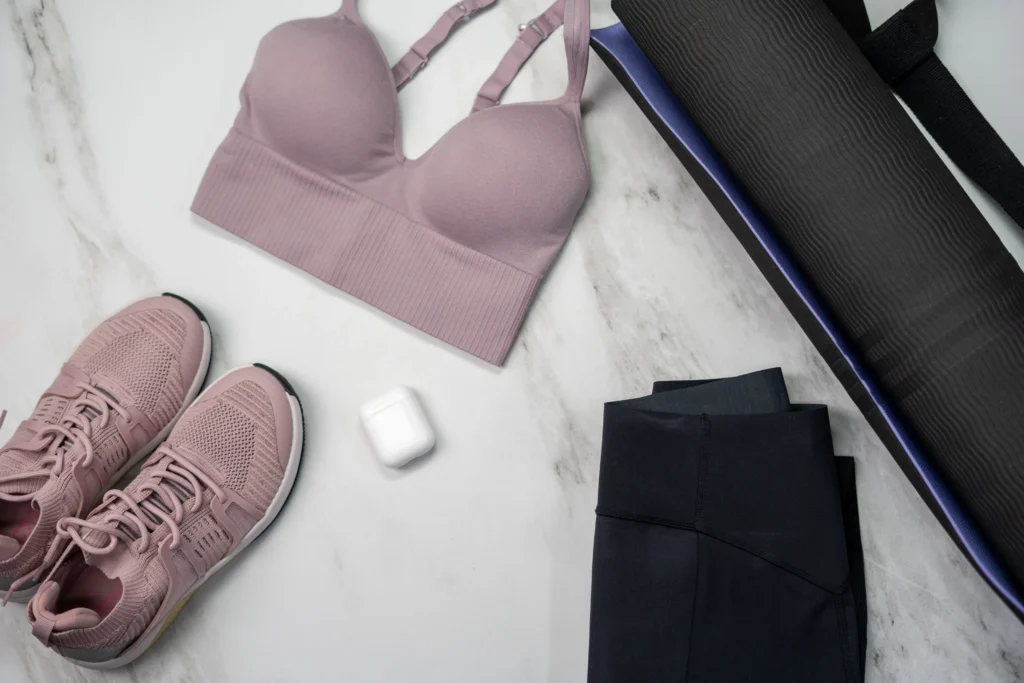
Essential Sports Gear: 10 Must-Have Items for Better Performance
Choosing the right essential sports gear is one of the most important decisions for athletes, teams, clubs, academies, and sportswear businesses. Good gear supports movement, comfort, safety, and performance. Poor gear creates problems such as overheating, joint stress, weak durability, bad fit, and higher replacement costs.
For athletes, sports gear affects training quality.
For businesses, it affects customer satisfaction, repeat orders, and brand reputation.
A sportswear brand, distributor, or team supplier cannot only think about style. The real value of sports gear comes from fabric quality, fit, construction, durability, and how well the product performs during real use.
That is why essential sports gear should be selected with a practical mindset. Every item must solve a clear performance problem. Shoes should support impact. Shirts should manage sweat. Leggings should allow movement. Compression wear should fit correctly. Outerwear should protect athletes without making them uncomfortable.
This guide explains 10 must-have sports gear items, why they matter, and what B2B buyers should consider before ordering or manufacturing them at scale.
Why Essential Sports Gear Matters
Sports performance is not only about effort, training plans, or discipline. Gear also plays a major role.
Athletes need products that help them move freely, stay dry, reduce discomfort, and train safely. Johns Hopkins Medicine recommends using the right equipment and supportive shoes as part of sports injury prevention, which shows why proper gear selection matters in active training environments.
For teams and businesses, the issue is bigger. One poor product can affect an entire team order or retail batch. If sizing is inconsistent, fabric shrinks, or stitching fails, the buyer may lose trust.
Good sports gear helps with:
- Better comfort during training
- Improved movement
- Reduced overheating
- Better sweat control
- Stronger durability
- Lower replacement issues
- More consistent team presentation
- Better customer experience
For B2B buyers, essential sports gear is not just a product list. It is part of product planning, sourcing, quality control, and brand positioning.
1. Running Shoes: The Base of Athletic Movement
Running shoes are one of the most important items in essential sports gear because they support the full body during movement. Every step creates impact. If shoes do not provide enough support, athletes may feel pain, fatigue, or instability.
Poor running shoes can cause:
- Foot discomfort
- Joint stress
- Reduced balance
- Faster fatigue
- Poor grip
- Less training efficiency
Good running shoes help with:
- Shock absorption
- Heel support
- Foot stability
- Grip control
- Breathability
- Better movement comfort
Running shoes should match the activity. Road running, gym training, court sports, and field sports all need different footwear features. One shoe design cannot support every sport properly.
For teams and academies, footwear planning matters because athletes train repeatedly. A poor footwear choice can affect comfort across the full squad.
2. Moisture-Wicking Shirts: Sweat Control and Temperature Management
Moisture-wicking shirts are important because sweat affects comfort and performance. When fabric holds too much sweat, the athlete feels heavy, sticky, and overheated.
A good performance shirt should move sweat away from the skin and dry quickly. This helps the athlete stay more comfortable during training, especially in warm conditions or long sessions.
Moisture-wicking shirts help with:
- Sweat movement
- Faster drying
- Less fabric cling
- Better airflow
- Temperature control
- Improved comfort
Common fabrics include polyester, polyester-spandex blends, mesh panels, and technical knit fabrics. These materials are used because they are lighter, faster drying, and more suitable for activewear than basic cotton in many training conditions.
For brands and suppliers, the fabric must be selected carefully. A shirt may look good in photos, but if it traps sweat or loses shape after washing, customers will complain.
B2B buyers should check:
- Fabric GSM
- Breathability
- Stretch level
- Shrinkage control
- Colorfastness
- Stitch quality
- Print or embroidery compatibility
GHC Sportswear® provides custom sportswear options for brands, teams, clubs, and distributors. Buyers can explore the GHC Sportswear® products range to understand available product categories for sportswear manufacturing.
3. Sports Bras: Support for Female Athletes
Sports bras are essential sports gear for female athletes because they provide support during movement. The right sports bra improves comfort and helps reduce strain during training.
Different activities need different support levels.
| Activity Type | Support Level | Common Use |
|---|---|---|
| Low impact | Light support | Yoga, walking, stretching |
| Medium impact | Medium support | Gym training, cycling, strength work |
| High impact | Strong support | Running, HIIT, football, court sports |
A poor sports bra can cause discomfort, distraction, and restricted movement. For sportswear brands, this category needs serious attention because customers quickly notice poor sizing or weak support.
Important features include:
- Strong stretch recovery
- Supportive fabric
- Comfortable elastic
- Breathable panels
- Flat seams
- Secure straps
- Accurate size grading
For private label brands, sports bras should not be copied from a basic sample without testing. The product should be developed according to support level, fabric behavior, and target activity.
4. Leggings: Movement, Coverage, and Compression
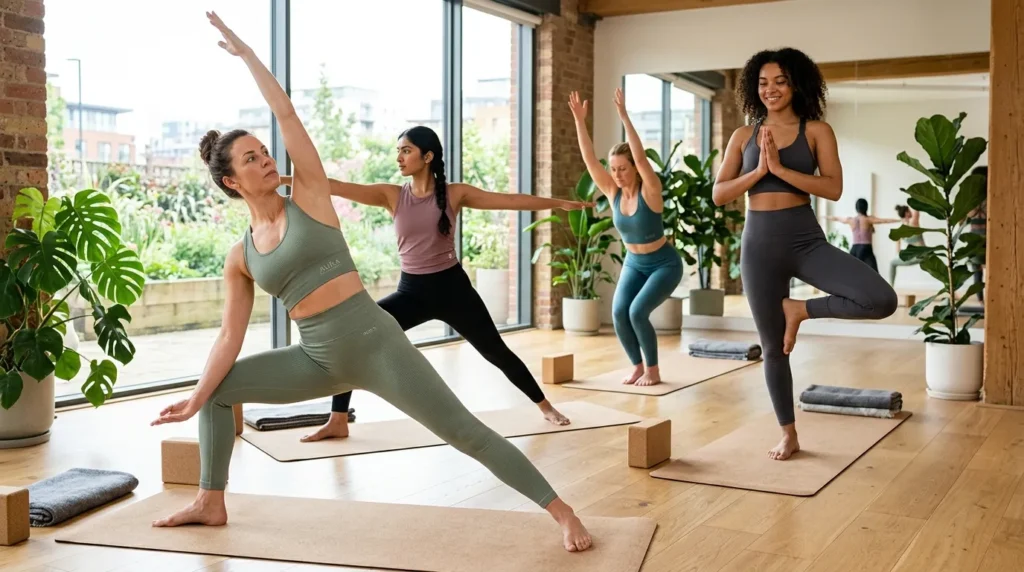
Leggings are widely used in fitness, yoga, running, gym training, and team conditioning. They are not only fashion items. Good leggings support flexibility, comfort, and body movement.
High-quality leggings help with:
- Better stretch
- Flexible movement
- Coverage during exercise
- Reduced friction
- Light compression
- Training comfort
For brands, leggings are one of the most sensitive sportswear products. Customers notice thin fabric, weak waistbands, poor stretch, bad stitching, and see-through material very quickly.
Common problems in low-quality leggings include:
- Fabric transparency
- Poor waistband recovery
- Pilling after washing
- Weak seams
- Bad size grading
- Limited stretch
- Uncomfortable fit
A good leggings manufacturer should guide buyers on fabric weight, stretch percentage, waistband construction, stitching method, and performance use.
For example, leggings for yoga may need softer hand feel and high stretch. Leggings for gym training may need stronger compression and better squat-proof coverage. Leggings for running may need pockets, reflective details, and sweat control.
5. Sports Socks: Small Product, Big Difference
Sports socks are often ignored, but they are an important part of essential sports gear. Poor socks can cause blisters, slipping, sweating, and discomfort.
Good sports socks help with:
- Sweat control
- Friction reduction
- Cushioning
- Arch support
- Better shoe fit
- Longer comfort during training
Materials matter. Polyester blends, nylon blends, merino wool, and spandex are commonly used in performance socks. Cotton may feel soft, but it can hold moisture, which may increase discomfort during intense activity.
For teams and retailers, socks are also a strong add-on product. They complete uniforms and training kits. Football teams, running clubs, gyms, and academies often need socks in bulk with matching colors and branding.
B2B buyers should check:
- Cushion zones
- Elastic recovery
- Heel and toe reinforcement
- Breathability
- Size range
- Logo placement
- Wash durability
6. Sports Shorts: Breathability and Movement Efficiency
Sports shorts are used across many sports, including running, football, basketball, gym training, tennis, and general fitness. The right shorts allow movement without restriction.
Good sports shorts improve:
- Airflow
- Mobility
- Comfort
- Sweat control
- Training efficiency
Different sports need different short designs. Running shorts should be lightweight and breathable. Gym shorts may need stretch and secure pockets. Football shorts need durability and easy movement. Basketball shorts may need a looser cut and stronger fabric.
Before placing bulk orders, businesses should check:
- Waistband quality
- Drawcord strength
- Fabric weight
- Stitching strength
- Pocket design
- Length options
- Logo placement
- Size grading
Shorts may seem simple, but poor waistband recovery or weak stitching can make the product feel cheap. For sportswear brands, small details affect customer trust.
7. Compression Gear: Support and Recovery Comfort
Compression gear includes compression shirts, tights, sleeves, socks, and recovery wear. It is used by athletes for support, muscle control, and recovery comfort.
Compression wear may help with:
- Muscle support
- Blood flow support
- Reduced muscle vibration
- Recovery comfort
- Less post-training soreness
Research on compression garments and recovery has shown that compression garments may help reduce delayed-onset muscle soreness and support recovery after exercise, although brands should avoid making exaggerated medical claims.
Compression gear must be designed carefully because fit is the main feature. If it is too tight, it becomes uncomfortable. If it is too loose, it does not provide the intended support.
| Feature | Regular Sportswear | Compression Gear |
|---|---|---|
| Fit | Relaxed or athletic | Tight and supportive |
| Purpose | General comfort | Support and recovery comfort |
| Fabric Need | Breathable and durable | High stretch and recovery |
| Best Use | Daily training | Intense training and recovery |
| Main Risk | Basic quality issues | Wrong pressure or sizing |
For B2B buyers, compression products need better size grading than regular sportswear. A small sizing mistake can create major customer complaints.
8. Outerwear: Protection for Outdoor Training
Training does not always happen in perfect weather. Athletes need outerwear that protects them from wind, light rain, and cold conditions without making them overheat.
Sports outerwear includes:
- Tracksuits
- Windbreakers
- Training jackets
- Warm-up tops
- Softshell jackets
- Waterproof layers
Good outerwear should provide:
- Wind resistance
- Water resistance
- Breathability
- Flexible movement
- Lightweight comfort
- Durable trims
For teams, clubs, and academies, outerwear also has branding value. Tracksuits and jackets are worn during travel, warm-ups, events, tournaments, and public appearances. This makes them important for team identity.
B2B buyers should check:
- Zipper quality
- Fabric coating
- Lining comfort
- Sleeve mobility
- Print placement
- Embroidery compatibility
- Wash durability
- Size consistency
Outerwear usually costs more than shirts or shorts, so poor manufacturing creates bigger losses.
9. Headwear: Sweat Control and Sun Protection
Headwear may look like a small accessory, but it is useful in many sports and training situations. Caps, visors, beanies, headbands, and sweatbands help athletes stay comfortable and focused.
Headwear helps with:
- Sweat control
- Sun protection
- Hair control
- Warmth in cold weather
- Better outdoor visibility
- Team branding
For outdoor training, caps and visors help reduce sun exposure. For running and gym training, headbands keep sweat away from the eyes. For cold weather, beanies and thermal headwear help athletes stay warm during warm-ups.
For brands and distributors, headwear is also a good add-on product. It is easier to produce than complex apparel and can carry logos through embroidery, woven patches, or printing.
Good headwear should have:
- Comfortable fabric
- Strong stitching
- Breathable panels
- Adjustable fit
- Clean branding area
- Sweat-friendly design
10. Hydration Gear: A Key Part of Sports Performance
Hydration gear includes bottles, hydration packs, carriers, drink systems, and sideline hydration equipment. It may not be clothing, but it is still part of essential sports gear because hydration affects endurance, concentration, and physical output.
Johns Hopkins Medicine explains that athletes need hydration before, during, and after physical activity, and notes that people can lose significant fluid and salt during activity.
Hydration gear is important for:
- Long-distance running
- Football training
- Cycling
- Outdoor fitness
- Summer sports
- Team training camps
- Endurance events
Teams and athletes may use:
- Reusable water bottles
- Team bottle carriers
- Hydration backpacks
- Electrolyte bottles
- Sideline hydration stations
For clubs and academies, hydration planning supports athlete management. For brands, branded hydration accessories can become useful add-on products.
Essential Sports Gear Performance Snapshot
| Gear Type | Problem Without It | Benefit With It |
|---|---|---|
| Running shoes | Joint stress and poor support | Impact absorption and stability |
| Moisture-wicking shirts | Sweat build-up and overheating | Better temperature control |
| Sports bras | Poor support and discomfort | Stability during movement |
| Leggings | Restricted movement or poor coverage | Flexibility and compression |
| Sports socks | Blisters and sweating | Cushioning and sweat control |
| Sports shorts | Limited mobility | Better airflow and movement |
| Compression gear | More fatigue and poor support | Recovery comfort and muscle support |
| Outerwear | Weather discomfort | Protection and consistency |
| Headwear | Sweat distraction and sun exposure | Focus and protection |
| Hydration gear | Low endurance and dehydration risk | Better fluid management |
Cheap Sports Gear vs Performance Sports Gear
Many businesses compare sports gear only by unit price. This is a common mistake.
Cheap sports gear may reduce the first order cost, but it can create more problems later. Poor quality can lead to returns, complaints, replacements, and weak customer trust.
Cheap sports gear often has:
- Inconsistent sizing
- Weak stitching
- Fabric shrinkage
- Poor sweat control
- Color fading
- Bad fit
- Short product life
- Low customer satisfaction
Performance sports gear usually offers:
- Better durability
- More consistent sizing
- Better moisture control
- Stronger stretch recovery
- Cleaner branding
- Better product feel
- Fewer replacement issues
- Better repeat order potential
For athletes, better gear means better comfort.
For businesses, better gear means fewer complaints and stronger customer retention.
Where Most Businesses Get Essential Sports Gear Wrong
The biggest mistake is choosing sports gear only by price.
Price matters, but it should not be the only factor. A low-cost product that fails after a few washes is not a good deal. A uniform that fits differently across sizes creates brand inconsistency. A fabric that feels uncomfortable during training damages customer trust.
Businesses should ask better questions before sourcing sportswear:
- Does the fabric match the sport?
- Will the product hold shape after washing?
- Is sizing consistent across the full size range?
- Is the stitching strong enough for movement?
- Can the manufacturer repeat the same quality?
- Is branding clean and durable?
- Are samples tested before bulk production?
This matters for wholesalers, distributors, startups, academies, clubs, and private label businesses.
Practical Business Use Cases
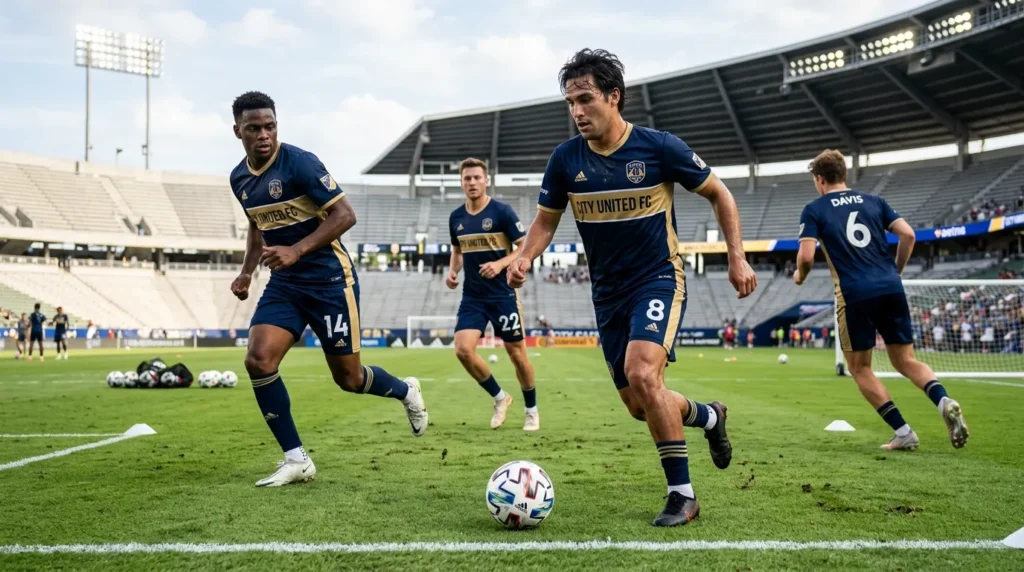
Sports teams and clubs need shirts, shorts, socks, tracksuits, and training wear that match across all players. Their main concerns are comfort, durability, and consistent appearance.
Fitness startups often begin with leggings, sports bras, shirts, and shorts. They need strong fabric selection, clean branding, and reliable sizing.
Wholesalers and distributors need repeatable product quality. If the first order and second order feel different, retailers may lose confidence.
Sports academies need gear that can handle daily use, frequent washing, sweat, movement, and outdoor training.
Private label businesses need sportswear that can be customized with their own branding, labels, packaging, colors, and product specifications.
Need Essential Sports Gear Manufacturing for Your Brand or Team?
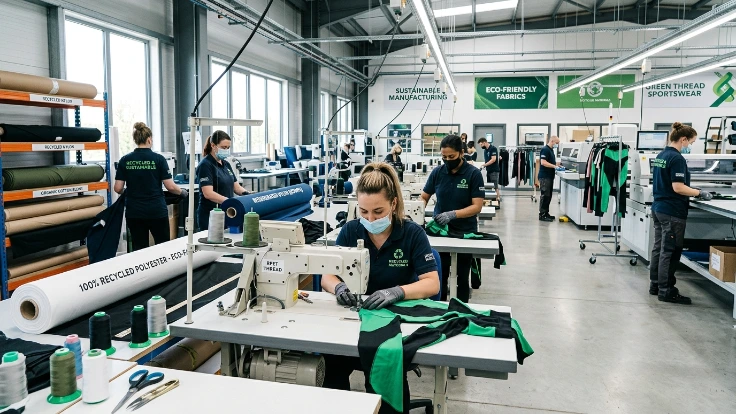
If you are building a sportswear brand, supplying teams, launching a fitness collection, or managing bulk sportswear orders, GHC Sportswear® can help with custom sportswear manufacturing built for real training use.
GHC Sportswear® works with:
- Sportswear brands
- Wholesalers
- Distributors
- Sports teams
- Clubs
- Academies
- Fitness startups
- Retailers
- Private label businesses
GHC Sportswear® provides:
- Custom sportswear manufacturing
- Private label production
- Bulk apparel solutions
- Teamwear production
- Performance fabric options
- Branding and logo customization
- Consistent sizing and production support
For brands and teams, the goal is not only to buy sports gear. The goal is to create products that fit well, perform properly, and stay consistent across repeat orders.
Contact GHC Sportswear® for B2B sportswear manufacturing support:
WhatsApp: https://wa.me/ghcsportswear
Email: info@ghcsportswar.com
Conclusion
The right essential sports gear is not optional for serious athletes, teams, clubs, academies, or sportswear businesses. It affects comfort, movement, durability, safety, recovery comfort, and customer satisfaction.
Running shoes support impact. Moisture-wicking shirts control sweat. Sports bras provide support. Leggings improve movement. Socks prevent discomfort. Shorts support airflow. Compression gear provides support and recovery comfort. Outerwear protects against weather. Headwear improves focus and protection. Hydration gear supports fluid management.
For athletes, the right gear improves training comfort and consistency.
For businesses, the right gear protects product quality, brand trust, and repeat orders.
The best decision is not always the cheapest product. The best decision is the product that performs well, fits correctly, lasts longer, and can be produced consistently at scale.
GHC Sportswear® helps brands, teams, distributors, and private label businesses manufacture practical sportswear for real training and commercial use.