Custom Yoga Apparel: Why It Is Changing Yoga Wear for Brands and Studios
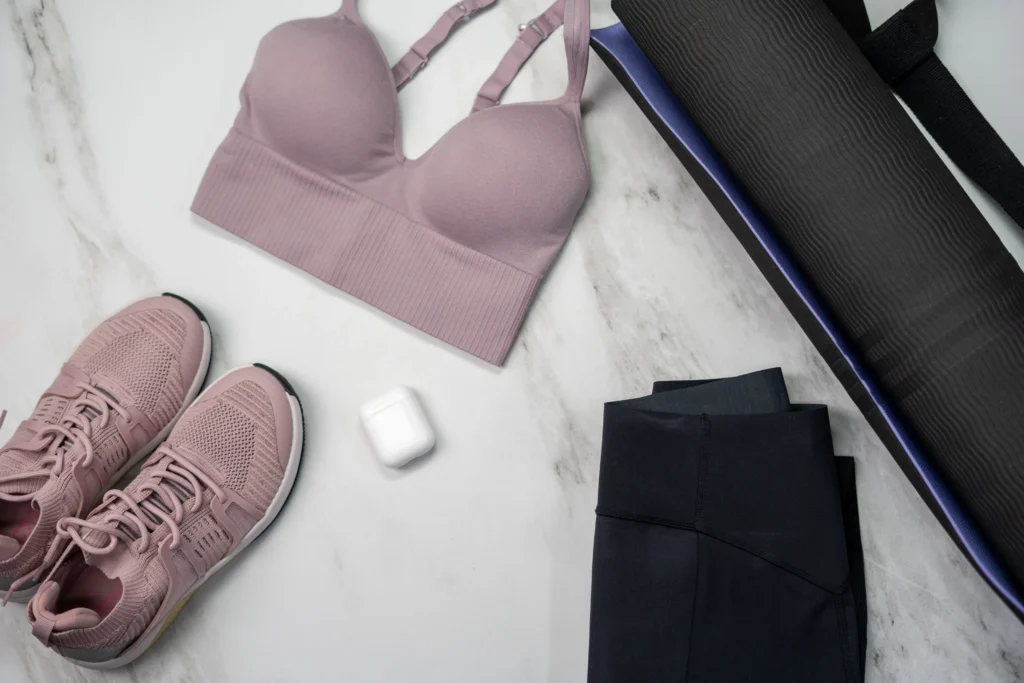
Custom yoga apparel is changing how yoga wear is designed, manufactured, and sold. Yoga clothing is no longer only about basic leggings and soft tops. Today, yoga brands, studios, retailers, wellness businesses, and private label activewear companies need apparel that supports movement, comfort, durability, brand identity, and responsible production.
Yoga requires clothing that moves with the body. A poor fit can distract the wearer during stretches, inversions, balance poses, and long sessions. Fabric that is too heavy can feel uncomfortable. Waistbands that roll down can interrupt practice. Tops that shift during movement can create frustration. Thin leggings can damage customer trust quickly.
For B2B buyers, the issue is even bigger. A yoga apparel brand must deliver consistent fit, fabric quality, color control, and repeat production across many sizes and orders. A yoga studio selling branded apparel needs clothing that members actually enjoy wearing. A retailer needs products that look good, feel good, and hold up after washing.
That is why custom yoga apparel has become a serious product category for modern activewear businesses.
This guide explains why custom yoga wear matters, what benefits it offers, which materials work best, how it supports yoga brands and studios, and what B2B buyers should check before manufacturing their own yoga apparel line.
Why Quality Yoga Apparel Matters
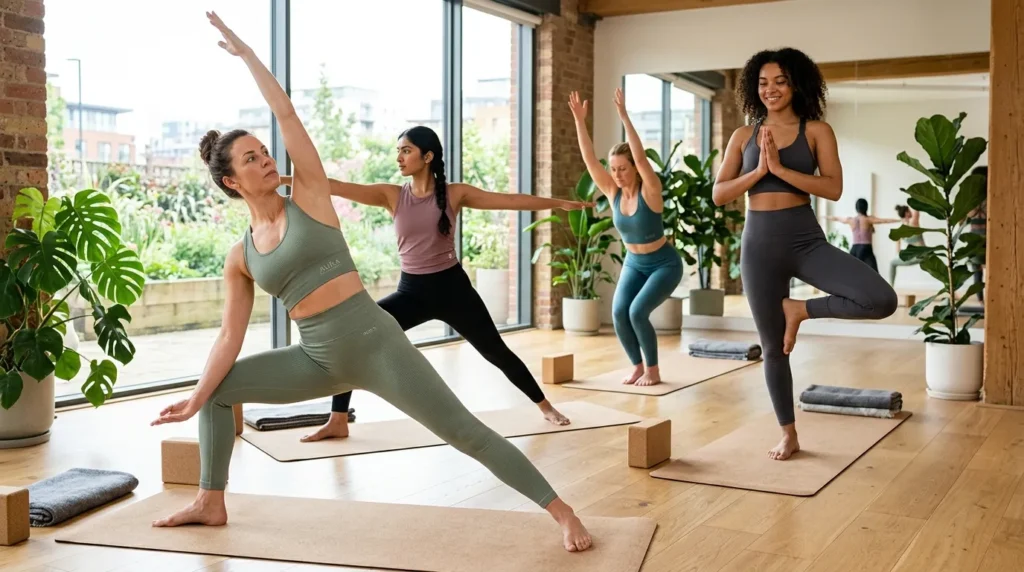
Yoga clothing must support both movement and stillness. It needs to stretch during active poses, stay comfortable during seated practice, and maintain coverage during deep movement.
Good yoga apparel helps with:
- Flexibility
- Comfort
- Breathability
- Coverage
- Sweat control
- Skin comfort
- Confidence
- Durability
- Brand presentation
Poor yoga apparel creates problems such as:
- Leggings rolling down
- Tops riding up
- Fabric becoming see-through
- Seams causing irritation
- Clothing feeling too tight
- Poor sweat management
- Loss of shape after washing
- Weak stitching during movement
Sports clothing research explains that fabric design, breathability, moisture transfer, and comfort play an important role in how apparel performs during exercise. This matters for yoga because the clothing must work with body movement, temperature changes, and long wear time.
For yoga brands and studios, product quality is not only a comfort issue. It is a business issue. Customers may forgive one weak product once, but they rarely trust a brand again if leggings lose shape, become transparent, or feel uncomfortable during practice.
The Business Growth Behind Yoga Wear
Yoga wear has become part of the wider activewear and wellness market. It is not limited to yoga studios. Customers wear yoga leggings, sports bras, tanks, crop tops, hoodies, and lounge sets for yoga, pilates, gym training, travel, casual wear, and daily comfort.
Grand View Research estimated the global yoga clothing market at USD 52.81 billion in 2025 and projected it to reach USD 92.80 billion by 2033, showing strong long-term demand for yoga apparel.
This growth creates opportunities for:
- Yoga apparel startups
- Wellness brands
- Fitness studios
- Pilates studios
- Sportswear retailers
- Private label businesses
- Wholesalers
- Distributors
- Online activewear stores
But growth also creates competition. Generic yoga clothing is everywhere. To stand out, brands need better fit, stronger fabric choices, cleaner branding, and more thoughtful product development.
That is where custom yoga apparel becomes useful.
What Custom Yoga Apparel Means
Custom yoga apparel means yoga clothing designed and manufactured according to specific brand, fit, fabric, color, logo, and performance requirements.
It can include:
- Yoga leggings
- Yoga tops
- Sports bras
- Crop tops
- Tank tops
- Bike shorts
- Flared yoga pants
- Unitards
- Jumpsuits
- Hoodies
- Wrap tops
- Lightweight jackets
- Studio uniforms
- Branded merchandise
Custom yoga wear gives businesses control over how the product looks, feels, fits, and performs. Instead of buying generic stock apparel, brands can create pieces that match their customers and business identity.
Custom options may include:
- Fabric selection
- GSM weight
- Stretch percentage
- Waistband style
- Seam placement
- Length options
- Color matching
- Print design
- Logo placement
- Private labels
- Packaging
- Size grading
- Sustainable fabric options
For businesses, this control helps create a more professional and differentiated product line.
1. Better Fit and Comfort
The first major benefit of custom yoga apparel is fit. Yoga involves bending, stretching, twisting, balancing, and holding poses. Clothing must stay in place without restricting movement.
Generic yoga clothing often has standard sizing that may not work well for every target market. Some leggings may fit at the hips but feel loose at the waist. Some tops may look good standing still but shift during downward-facing dog or inversions. Some sports bras may not provide the right level of support.
Custom yoga apparel helps solve these issues by allowing better control over:
- Waistband height
- Legging length
- Rise measurement
- Hip and thigh fit
- Strap design
- Top length
- Sleeve shape
- Compression level
- Size grading
A good yoga legging should stay in place during movement. A good yoga top should allow stretching without riding up badly. A good sports bra should support the body without feeling restrictive.
For B2B buyers, fit testing is essential. A sample should be checked during real yoga movement, not only on a mannequin or product table.
2. Better Flexibility and Mobility
Yoga apparel must stretch well. But stretch alone is not enough. The fabric must also recover its shape after movement.
Low-quality stretch fabric may feel flexible at first, but it can become loose after repeated wear or washing. This creates sagging knees, weak waistbands, and poor product shape.
Custom yoga wear allows brands to choose fabrics based on the movement needs of the product.
Common performance features include:
- Four-way stretch
- High elastane content
- Strong stretch recovery
- Soft compression
- Flatlock seams
- Gusseted crotch construction
- Flexible waistbands
- Lightweight breathable fabrics
A gusseted crotch, for example, can improve comfort and reduce seam stress in leggings. Flat seams can reduce irritation. A wide waistband can improve support and help the product stay in place.
These details may look small, but customers feel them during practice.
3. Improved Sweat Control and Breathability
Yoga styles vary. Some sessions are gentle and slow. Others, such as hot yoga, power yoga, and vinyasa, can create heavy sweating.
This means yoga apparel needs the right balance of softness, breathability, and moisture control.
Good yoga fabrics can help:
- Move sweat away from the skin
- Dry faster
- Reduce cling
- Improve airflow
- Keep the wearer more comfortable
- Reduce distraction during practice
Performance fabrics such as nylon-spandex, polyester-spandex, and recycled blends are commonly used because they provide stretch, moisture control, and shape retention.
For softer yoga apparel, brands may also use bamboo blends, modal blends, lyocell-style fabrics, or organic cotton blends. These can work well for low-impact yoga, studio wear, and lifestyle activewear.
The right fabric depends on the use case.
| Yoga Apparel Type | Best Fabric Direction | Main Buyer Concern |
|---|---|---|
| High-waist leggings | Nylon-spandex or recycled nylon blend | Stretch, coverage, recovery |
| Sports bras | Compression knit or nylon-spandex | Support and shape retention |
| Tank tops | Lightweight polyester-spandex or bamboo blend | Breathability and comfort |
| Hot yoga sets | Moisture-wicking synthetic blends | Sweat control and quick drying |
| Lounge yoga wear | Organic cotton, modal, or bamboo blends | Softness and comfort |
| Studio hoodies | Organic cotton or recycled fleece blends | Comfort and durability |
For brands, fabric should never be chosen only by hand feel. It must also be tested for stretch, recovery, sweat control, coverage, and wash durability.
4. Stronger Brand Identity
Custom yoga apparel gives businesses the ability to create a clear brand identity. This matters because the yoga market is competitive.
A brand can stand out through:
- Signature colors
- Custom prints
- Minimalist designs
- Studio logos
- Private labels
- Special cuts
- Matching sets
- Sustainable fabrics
- Premium packaging
- Consistent product photography
A yoga studio may want branded leggings and tops for instructors. A wellness brand may want earth-tone activewear with minimal logos. A private label retailer may want seasonal collections with unique patterns. A pilates studio may want matching sets that feel more premium than generic gym wear.
Custom yoga apparel helps businesses build recognition.
It also makes social media content stronger. Customers are more likely to share products that look unique, fit well, and feel connected to a lifestyle or community.
5. More Reliable Product Quality
Mass-produced generic yoga wear can vary in quality. One batch may fit well, while the next batch may feel different. Colors may change. Fabric may shrink. Stitching may not hold.
Custom production helps brands set product standards from the start.
A reliable manufacturer can support:
- Consistent fabric sourcing
- Accurate size grading
- Controlled stitching quality
- Approved samples
- Color matching
- Quality checks
- Repeat production
- Custom packaging
- Bulk order planning
This matters for B2B buyers because inconsistent products create customer complaints.
For example, if a yoga brand launches black high-waist leggings and customers love them, the next production run must match the original product as closely as possible. If the waistband, fabric, or size fit changes, repeat customers will notice.
Custom manufacturing makes quality control more structured.
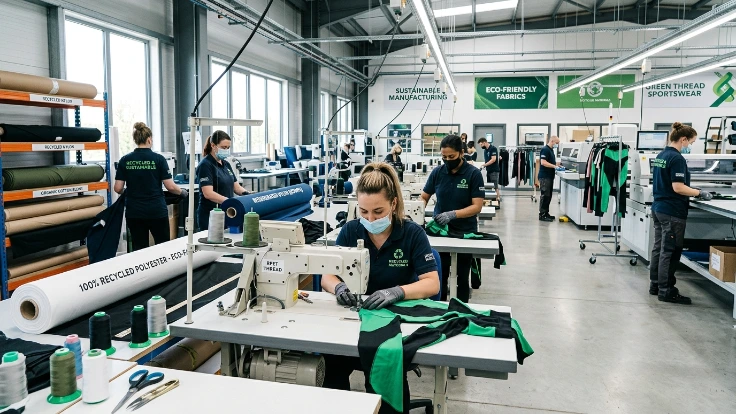
6. Better Sustainability Options
Yoga is connected to ideas such as balance, wellness, mindfulness, and conscious living. Many yoga customers care about sustainability and ethical production.
For yoga apparel brands, sustainability can be an important part of product positioning.
Sustainable yoga apparel may use:
- Recycled polyester
- Recycled nylon
- Organic cotton
- Bamboo-based blends
- Modal or lyocell-style fabrics
- Lower-impact packaging
- Durable construction
- Better production planning
UNEP explains that the textile sector has major environmental impacts, including greenhouse gas emissions, water use, chemicals, and waste, which is why circular and sustainable textile systems are becoming more important.
Sustainability should not be vague. Buyers should ask for clear fabric details, composition information, packaging options, and certification availability.
OEKO-TEX® STANDARD 100 is one recognized textile label for products tested for harmful substances, which can help brands communicate safer textile choices when applicable.
For B2B buyers, sustainability should also include durability. A product that lasts longer is usually better than one that needs to be replaced quickly.
Custom Yoga Apparel vs Generic Yoga Wear
Many startups begin with generic blanks because they seem easier. This can work for small testing, but it limits long-term brand growth.
| Area | Generic Yoga Wear | Custom Yoga Apparel |
|---|---|---|
| Fit | Standard sizing only | Brand-specific fit and size grading |
| Fabric | Limited options | Selected by performance and customer need |
| Branding | Basic logo placement | Full control over labels, colors, prints, packaging |
| Product Identity | Similar to competitors | More unique and brandable |
| Quality Control | Depends on stock supplier | Managed through sampling and production checks |
| Sustainability | Limited proof | Better material and packaging choices |
| Repeat Orders | Stock may change | More consistent production planning |
Generic yoga wear may be faster at first, but custom yoga apparel gives brands more control and better long-term value.
What Yoga Brands Should Customize First
A new yoga apparel brand does not need to customize everything immediately. The smart approach is to begin with core products that customers buy often.
Good starting products include:
- High-waist leggings
- Sports bras
- Tank tops
- Crop tops
- Bike shorts
- Matching yoga sets
These items are easier to build into a collection and can be sold together.
A simple starter collection may include:
| Product | Purpose | Suggested Focus |
|---|---|---|
| High-waist leggings | Main product | Coverage, waistband, stretch recovery |
| Sports bra | Support product | Compression, straps, fit |
| Tank top | Layering product | Breathability, softness |
| Bike shorts | Seasonal product | Comfort, squat-proof fabric |
| Hoodie | Lifestyle product | Branding and comfort |
For private label buyers, starting with a focused collection is better than launching too many products at once. A smaller range is easier to test, improve, and scale.
Common Mistakes in Yoga Apparel Manufacturing
Many yoga apparel brands fail because they focus too much on appearance and not enough on product performance.
Common mistakes include:
- Choosing fabric only because it feels soft
- Ignoring squat-proof testing
- Using weak waistbands
- Not testing stretch recovery
- Choosing poor stitching
- Copying generic designs
- Using unclear size charts
- Not ordering samples
- Ignoring wash testing
- Making vague sustainability claims
- Ordering too many styles too early
The biggest mistake is skipping real movement testing.
Yoga apparel should be tested during stretching, bending, squatting, sitting, twisting, and washing. A product that looks good in a photo may fail during practice.
Practical B2B Use Cases
Yoga studios
A yoga studio can create branded instructor apparel, retail leggings, tops, and hoodies for members. This helps create community and provides an additional revenue stream.
Wellness brands
A wellness brand can launch soft yoga wear that matches its brand colors and values. The focus may be comfort, natural fabrics, and clean design.
Private label activewear brands
A private label brand can develop custom leggings, sports bras, and sets with its own labels, packaging, and product fit.
Retailers
Retailers can create yoga apparel collections for seasonal drops, online stores, and boutique activewear sections.
Pilates and fitness studios
Pilates and fitness studios can use custom yoga apparel for staff uniforms, branded merchandise, or member retail.
Wholesalers and distributors
Wholesalers can supply yoga wear to gyms, studios, clubs, and activewear retailers. The main requirement is consistent sizing, fabric quality, and repeat production.
How GHC Sportswear® Supports Custom Yoga Apparel Production
GHC Sportswear® supports yoga brands, studios, retailers, distributors, startups, and private label businesses with custom yoga apparel manufacturing.
GHC Sportswear® can help with:
- Custom yoga leggings
- Sports bras
- Yoga tops
- Tank tops
- Crop tops
- Bike shorts
- Matching yoga sets
- Hoodies and studio wear
- Private label production
- Logo customization
- Custom labels and packaging
- Eco-friendly fabric options
- Bulk manufacturing
- Product sampling and development
Brands can explore more custom activewear and sportswear categories on the GHC Sportswear® products page.
For B2B buyers, the main goal is not only to create attractive yoga wear. The goal is to create apparel that fits well, stretches correctly, holds shape, feels comfortable, and can be reproduced consistently.
Checklist Before Ordering Custom Yoga Apparel
Before placing a bulk order, buyers should confirm:
- Target customer and size range
- Product type and use case
- Fabric composition
- Fabric GSM
- Stretch percentage
- Squat-proof performance
- Waistband construction
- Seam type
- Logo method
- Label and packaging needs
- Sustainable material options
- Sample approval
- Wash testing
- Production timeline
- Repeat order support
This checklist helps prevent costly mistakes.
A good manufacturer should guide buyers through product development instead of only taking an order.
Build Your Custom Yoga Apparel Line with GHC Sportswear®
If you are launching a yoga apparel brand, creating studio merchandise, supplying wellness retailers, or building a private label activewear collection, GHC Sportswear® can help you manufacture custom yoga apparel for real business use.
GHC Sportswear® works with:
- Yoga brands
- Yoga studios
- Pilates studios
- Wellness businesses
- Fitness startups
- Sportswear retailers
- Wholesalers
- Distributors
- Private label businesses
- Activewear brands
GHC Sportswear® provides support for custom designs, fabric selection, private labeling, branding, packaging, sampling, and bulk production.
For yoga apparel, comfort and fit are not optional. Customers expect leggings that stay in place, tops that move naturally, and fabrics that feel good through repeated use. GHC Sportswear® helps brands create yoga wear that is practical, professional, and ready for market.
Contact GHC Sportswear® for custom yoga apparel manufacturing:
WhatsApp: https://wa.me/ghcsportswear
Email: info@ghcsportswar.com
Conclusion
Custom yoga apparel is changing the way yoga wear is made and sold. It gives brands, studios, retailers, and private label businesses more control over fit, fabric, comfort, branding, sustainability, and product quality.
For yoga practitioners, the right apparel supports movement, confidence, and comfort.
For businesses, custom yoga apparel creates stronger brand identity, better product value, and more reliable repeat production.
The best yoga wear is not only soft or stylish. It must stretch properly, stay in place, breathe well, provide coverage, and last through regular use.
GHC Sportswear® helps B2B buyers develop custom yoga apparel that supports real yoga movement, brand growth, and commercial production.