Screen Printing vs Sublimation: Which Is Better for Custom Sportswear?
Choosing between screen printing vs sublimation is one of the most important decisions in custom sportswear production. The print method affects how the uniform looks, how it feels, how long the design lasts, how much the order costs, and which fabrics can be used.
For sports teams, clubs, academies, distributors, retailers, and private label sportswear brands, printing is not just decoration. It is part of product performance.
A football jersey with heavy ink may feel uncomfortable during training. A complex full-color design may not work well with screen printing. A cotton hoodie may not be suitable for sublimation. A polyester team kit may look better with sublimation because the design can become part of the fabric instead of sitting on top.
That is why buyers need to understand the difference before placing bulk orders.
Both screen printing and sublimation can be useful. Neither method is automatically better for every project. The right choice depends on fabric type, design complexity, order quantity, durability needs, color requirements, and budget.
This guide explains screen printing vs sublimation in a practical way so brands and teams can choose the right method for custom sportswear, team uniforms, activewear, and private label apparel.
What Is Screen Printing?
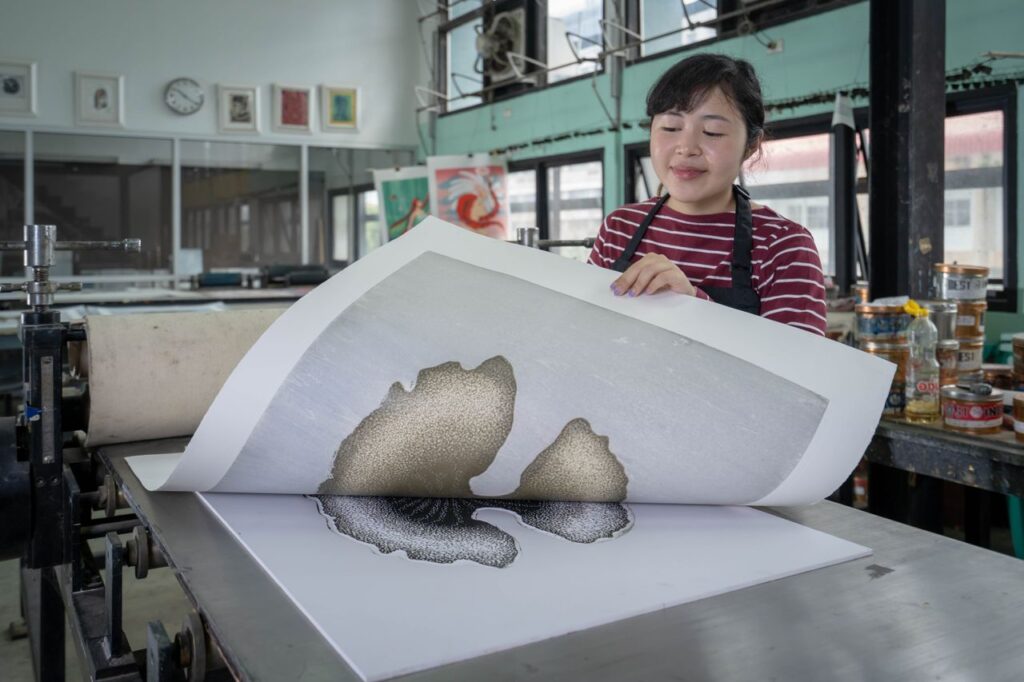
Screen printing is a traditional printing method where ink is pushed through a mesh screen onto the fabric. Each color usually needs its own screen, which means simple designs are easier and more cost-effective than complex multi-color artwork.
Screen printing is commonly used for:
- T-shirts
- Hoodies
- Sweatshirts
- Training tops
- Teamwear
- Workwear
- Club apparel
- Promotional apparel
- Cotton and blended fabrics
Screen printing is popular because it can create bold, vibrant prints with strong color visibility. It is especially useful for logos, text, numbers, simple graphics, and large bulk orders.
For custom sportswear, screen printing works best when the design is clean, the fabric is suitable, and the order quantity is large enough to justify setup costs.
What Is Sublimation Printing?
Sublimation is a digital printing method that uses heat to transfer dye into polyester fabric. The design is printed onto transfer paper, then heat and pressure move the dye into the fabric fibers.
TVF explains that dye sublimation prints onto transfer paper first, then the paper and polyester fabric are run through a heat calender so the dye transfers into the polyester fabric. The same source also notes that sublimation is only compatible with polyester fabric, which is important for sportswear buyers to understand before choosing this method.
Sublimation is commonly used for:
- Football jerseys
- Basketball uniforms
- Running shirts
- Cycling jerseys
- Esports jerseys
- Training kits
- Tracksuits
- Polyester teamwear
- All-over printed apparel
- Performance sports uniforms
Unlike screen printing, sublimation does not create a thick ink layer on top of the fabric. The dye becomes part of the polyester material, so the design usually feels smooth and lightweight.
This makes sublimation very popular for performance sportswear.
Quick Comparison: Screen Printing vs Sublimation
| Feature | Screen Printing | Sublimation |
|---|---|---|
| Best Fabric | Cotton, blends, some polyester | Polyester and polyester-rich fabrics |
| Design Type | Simple logos, bold graphics, solid colors | Full-color, detailed, all-over designs |
| Print Feel | Ink sits on top of fabric | Dye becomes part of fabric |
| Best Order Type | Medium to large bulk orders | Small to large polyester sportswear orders |
| Setup | Screens required for each color | Digital file and heat transfer process |
| Color Detail | Good for bold colors | Better for gradients and complex artwork |
| Durability | Strong when done properly | Very strong on polyester |
| Breathability | Can be affected by heavy ink | Usually keeps fabric feel lighter |
| Best Use | Cotton tees, hoodies, simple uniforms | Performance jerseys, team kits, activewear |
| Limitation | Not ideal for complex gradients | Not suitable for pure cotton |
Pros of Screen Printing for Custom Sportswear
Screen printing still has strong value in custom sportswear manufacturing. It is not old or useless. It is simply better for certain product types.
Strong color visibility
Screen printing can produce bold colors that stand out clearly on apparel. This makes it useful for team logos, sponsor marks, school names, club graphics, and simple branding.
A screen printed logo on a hoodie, cotton training shirt, or club T-shirt can look sharp and professional.
Good durability when produced correctly
Screen printing can be durable when the right ink, curing process, and fabric are used. For products such as hoodies, warm-up tops, cotton tees, and lifestyle teamwear, screen printing is often a reliable choice.
Cost-effective for bulk orders
Screen printing has setup costs because screens must be created. However, once setup is complete, the price per piece can become more efficient on larger quantities.
This makes it useful for:
- Team merchandise
- School apparel
- Club uniforms
- Event shirts
- Wholesale apparel
- Bulk promotional sportswear
Works on different fabrics
Screen printing can be used on cotton, polyester, fleece, blends, and other apparel materials when the correct ink is selected. This gives buyers more flexibility than sublimation, which mainly works on polyester.
Good for simple branding
If a buyer needs a chest logo, sponsor print, back print, or simple team name, screen printing can be a strong option.
Cons of Screen Printing for Custom Sportswear
Screen printing is useful, but it has limits.
Less suitable for complex artwork
Screen printing is not the best method for detailed photographs, full-color gradients, or complex all-over artwork. Each color may need a separate screen, which can increase cost and production complexity.
Setup cost can be high for small orders
For small quantities, screen printing may not be cost-effective because setup time and screen preparation are still required.
Heavy ink can affect comfort
If the design uses large ink coverage, the print may feel thicker on the fabric. For performance sportswear, this can reduce breathability and make the garment feel heavier.
Environmental handling matters
Screen printing can involve inks, chemicals, and cleanup waste. Water-based inks may reduce certain concerns, but responsible handling and disposal are still important. DTLA Print notes that water-based inks can be less risky than plastisol because they do not contain PVC or phthalates, but also explains that cleanup waste and proper disposal still matter in screen printing operations.
For B2B buyers, this means sustainability depends on the full process, not only the print method name.
Pros of Sublimation for Custom Sportswear
Sublimation is one of the most popular methods for modern performance sportswear, especially polyester uniforms.
Excellent for detailed designs
Sublimation is ideal for complex artwork, gradients, full-color graphics, patterns, and all-over prints. Since the design is printed digitally, it offers much more freedom than traditional screen printing.
This is useful for:
- Football kits
- Basketball uniforms
- Running shirts
- Cycling jerseys
- Esports jerseys
- Custom teamwear
- Promotional sports uniforms
Lightweight print feel
Because sublimation dye becomes part of the polyester fabric, the print does not sit as a thick layer on top. This helps keep the fabric smooth, breathable, and comfortable.
For athletes, this matters because heavy prints can feel uncomfortable during training or competition.
Strong wash durability on polyester
Sublimation prints are known for strong color-to-wash performance on polyester. TVF states that dye sublimation has excellent color-to-washfastness and no crocking issues because the ink does not rub off once printed.
This makes sublimation useful for team uniforms that are washed frequently.
Great for all-over team designs
Sublimation allows full-garment design control. Logos, patterns, player numbers, sponsor marks, gradients, and club graphics can all be included in the artwork.
This is why sublimation is commonly used for modern custom sports uniforms.
Cleaner production advantages
Sappi explains that dye sublimation can support cleaner textile manufacturing because it can be water-free, use water-based solvent-free inks, reduce excess waste, and avoid some pre-treatment and post-treatment steps.
This does not mean sublimation solves every sustainability issue, because polyester still has environmental concerns. But it can be a practical option for performance sportswear when paired with responsible fabric sourcing and production planning.
Cons of Sublimation for Custom Sportswear
Sublimation also has limits. Buyers should understand them before choosing it.
Best for polyester only
Sublimation works best on polyester and polyester-rich fabrics. Mereton Textiles explains that polyester is the most suitable fabric for dye sublimation, while natural fibers such as cotton, linen, silk, bamboo, and wool do not produce the same results because they do not bond with sublimation ink in the same way.
This means sublimation is not the right choice for pure cotton hoodies, cotton T-shirts, or natural-fiber lifestyle apparel.
Color accuracy needs testing
Sublimation colors can look different depending on fabric type, heat settings, coating, and color profile. Brands with strict color requirements should request samples before bulk production.
This is especially important for:
- Team colors
- Sponsor logos
- Brand identity colors
- Retail collections
- Repeat orders
Not always cheapest for every bulk order
Sublimation can be efficient for many sportswear projects, but cost depends on artwork, fabric, order size, and production setup. For simple one-color logos on cotton T-shirts, screen printing may still be more cost-effective.
Limited use on dark garments
Sublimation works best on white or light polyester fabric because the dye does not print a white underbase like some other methods. Dark fabrics can limit visibility and color accuracy.
When to Choose Screen Printing
Screen printing is usually the better choice when the project needs bold, simple designs on cotton, fleece, or blended fabrics.
Choose screen printing for:
- Simple logos
- Solid-color graphics
- Team T-shirts
- Hoodies
- Sweatshirts
- Cotton training apparel
- Club merchandise
- Event shirts
- Large bulk orders
- Designs with limited colors
Screen printing is also useful when buyers want a strong visible print on apparel that is not polyester-based.
For example, a sports club ordering cotton fan T-shirts with a front logo may choose screen printing. A gym brand producing hoodies with a simple chest logo may also choose screen printing.
When to Choose Sublimation
Sublimation is usually better when the project involves polyester performance sportswear with detailed artwork or full-garment design.
Choose sublimation for:
- Football uniforms
- Basketball kits
- Running jerseys
- Cycling apparel
- Esports jerseys
- Team training shirts
- Polyester tracksuits
- All-over printed uniforms
- Full-color designs
- Gradient patterns
- Lightweight performance apparel
For example, a football academy ordering custom home and away kits with player numbers, sponsor logos, and full-color patterns should usually choose sublimation.
A cycling brand creating detailed performance jerseys should also consider sublimation because it supports detailed artwork and lightweight fabric feel.
Best Printing Method by Product Type
| Product Type | Better Method | Reason |
|---|---|---|
| Cotton team T-shirts | Screen printing | Works well on cotton and simple logos |
| Hoodies | Screen printing | Strong for logos and club merchandise |
| Football jerseys | Sublimation | Lightweight, detailed, durable on polyester |
| Basketball uniforms | Sublimation | Good for full-color team designs |
| Running shirts | Sublimation | Works well on polyester performance fabric |
| Cycling jerseys | Sublimation | Supports all-over detailed artwork |
| Gym tank tops | Depends on fabric | Screen for cotton, sublimation for polyester |
| Tracksuits | Depends on fabric/design | Sublimation for polyester panels, screen for logos |
| Yoga tops | Depends on fabric | Sublimation for polyester blends, other methods for natural blends |
| Motorbike apparel | Usually not sublimation | Often needs embroidery, patches, transfers, or panels |
For custom sports uniforms and teamwear, GHC Sportswear® can help buyers choose the right method based on the product, fabric, design, and order requirements. The full teamwear category can be reviewed on the custom wholesale sports uniforms manufacturer page.
Screen Printing vs Sublimation for Different Buyers
Sports teams and clubs
Teams usually need uniforms that look professional, handle washing, and stay comfortable during play. Sublimation is often better for full polyester match kits, while screen printing may work better for team T-shirts, hoodies, and fan merchandise.
Fitness brands
Fitness brands may use both methods. Polyester performance tops can use sublimation, while cotton or fleece lifestyle apparel may use screen printing. Women’s activewear buyers can also review product options on the custom wholesale women’s sportswear manufacturer page, while men’s training apparel options are available on the custom wholesale men’s sportswear manufacturer page.
Yoga wear brands
Yoga apparel often uses stretch fabrics where the print method depends on composition. Polyester-rich yoga sets may work with sublimation, while softer cotton or bamboo blends may need other decoration methods. Relevant yoga apparel options are listed on the custom wholesale women’s yoga wears manufacturer page.
Equestrian brands
Equestrian apparel may include polos, base layers, jackets, breeches, and teamwear. Printing choice depends on fabric and product type. Buyers can review related product categories on the custom wholesale equestrian gear manufacturer page.
Motorbike gear brands
Motorbike gear usually needs durable construction, patches, embroidery, labels, panels, or transfers rather than standard sublimation on the main protective garment. Relevant products are listed on the custom wholesale motorbike gear manufacturer page.
Cost Comparison: Screen Printing vs Sublimation
Cost depends on many factors, but the basic logic is simple.
Screen printing usually becomes more cost-effective when:
- The order quantity is large
- The design has fewer colors
- The print area is limited
- The fabric is cotton or a cotton blend
- The artwork is simple
Sublimation usually becomes more practical when:
- The garment is polyester
- The design is full-color
- The artwork covers the full garment
- Names and numbers are included
- The buyer wants lightweight print feel
- The product is performance sportswear
The wrong method can increase cost and reduce quality. For example, using screen printing for a full-color all-over football jersey may be inefficient. Using sublimation on a cotton hoodie will not produce the best result.
Durability Comparison
Both methods can be durable when used correctly.
Screen printing durability depends on:
- Ink quality
- Fabric type
- Curing process
- Washing method
- Print thickness
- Garment use
Sublimation durability depends on:
- Polyester fabric quality
- Heat transfer settings
- Color profile
- Ink quality
- Wash care
- Fabric construction
For polyester sports uniforms, sublimation often has the advantage because the dye becomes part of the fabric. For cotton hoodies and T-shirts, screen printing is usually the better choice.
Design Comparison
Screen printing is better for:
- Bold logos
- Text
- Simple graphics
- Limited colors
- Strong contrast
- Club merchandise
Sublimation is better for:
- Full-color artwork
- Gradients
- Complex patterns
- Photographic designs
- All-over printing
- Player numbers integrated into design
If your sportswear design is simple, screen printing may be enough. If your design is complex, sublimation gives more freedom.
Fabric Comparison
Fabric is often the deciding factor.
| Fabric | Best Print Method |
|---|---|
| Cotton | Screen printing |
| Cotton-poly blend | Screen printing, sometimes other transfer methods |
| Polyester | Sublimation or screen printing depending on design |
| Recycled polyester | Sublimation for full-color performance apparel |
| Fleece | Screen printing or embroidery |
| Nylon | Needs testing; sublimation is not always suitable |
| Bamboo or natural blends | Usually not sublimation |
| Spandex blends | Sublimation only if polyester-rich and tested |
A good manufacturer should check fabric before recommending a print method.
Common Mistakes Buyers Make
Many brands and teams choose printing methods based only on appearance. That can create problems later.
Common mistakes include:
- Choosing sublimation for cotton garments
- Choosing screen printing for complex full-color artwork
- Ignoring fabric composition
- Not testing colors before bulk production
- Using heavy ink on performance shirts
- Not checking wash durability
- Forgetting player names and numbers
- Ignoring sponsor logo placement
- Choosing the cheapest method without considering product use
- Not asking the manufacturer for advice
For B2B buyers, the best decision is based on the full product plan, not only the design file.
How GHC Sportswear® Helps Choose the Right Printing Method
GHC Sportswear® works with brands, teams, clubs, academies, wholesalers, distributors, retailers, and private label businesses that need custom sportswear manufacturing.
GHC Sportswear® can help buyers choose between screen printing vs sublimation based on:
- Fabric type
- Sports category
- Design complexity
- Order quantity
- Branding needs
- Performance requirements
- Wash durability
- Budget
- Production timeline
Buyers can explore broader manufacturing capabilities through the GHC Sportswear® services page and review available apparel categories on the GHC Sportswear® products page.
For more article support and product education, buyers can also visit the GHC Sportswear® blogs page.
Need Custom Sportswear Printing for Your Brand or Team?
If you are planning custom team uniforms, sportswear collections, yoga wear, equestrian apparel, gym clothing, or private label activewear, GHC Sportswear® can help you select the right production and printing method.
GHC Sportswear® works with:
- Sportswear brands
- Teams
- Clubs
- Academies
- Wholesalers
- Distributors
- Retailers
- Fitness startups
- Private label businesses
- Team uniform suppliers
GHC Sportswear® provides:
- Custom sportswear manufacturing
- Screen printing support
- Sublimation sportswear production
- Private label apparel
- Bulk team uniforms
- Custom logos and branding
- Product sampling
- Fabric selection
- Size grading
- Repeat production support
For B2B buyers, the goal is not only to print a logo. The goal is to create sportswear that looks professional, feels comfortable, lasts through use, and matches the buyer’s brand.
Contact GHC Sportswear® for custom sportswear printing and manufacturing support:
WhatsApp: https://wa.me/ghcsportswear
Email: info@ghcsportswar.com
Conclusion
Screen printing vs sublimation is not about one method being better for every project. It is about choosing the right method for the right product.
Screen printing is usually better for cotton apparel, hoodies, simple logos, solid-color designs, and larger bulk orders. It offers strong color visibility and works across many fabric types.
Sublimation is usually better for polyester sportswear, full-color designs, all-over prints, team jerseys, and performance uniforms. It keeps the print lightweight and works well for complex designs.
For teams, clubs, brands, distributors, and private label businesses, the right choice depends on fabric, design, order quantity, budget, and product use.
GHC Sportswear® helps B2B buyers choose the right printing method and manufacture custom sportswear that is practical, professional, and ready for real use.