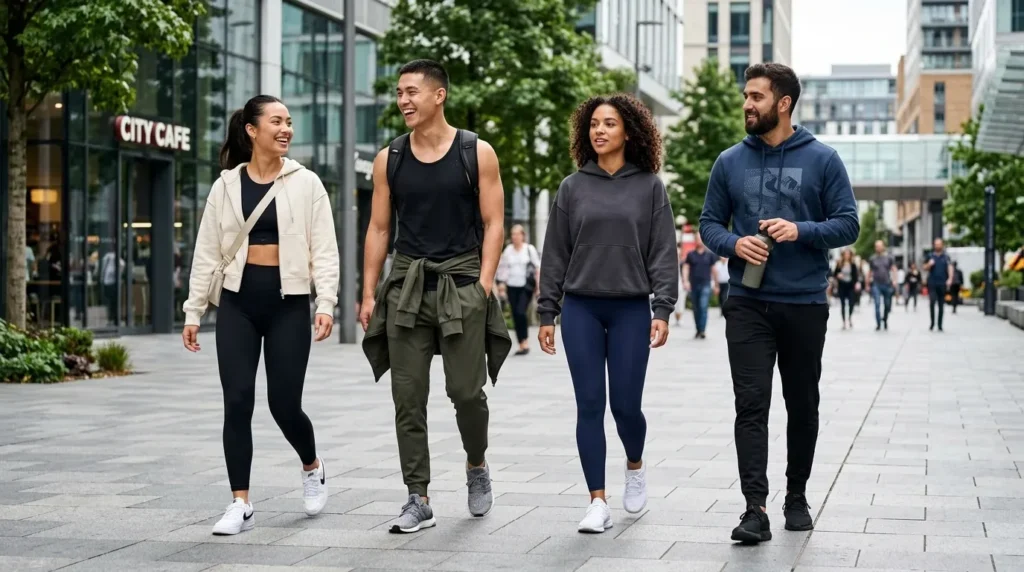
Athleisure Sportswear: How Activewear Became Everyday Fashion
Athleisure sportswear has changed how people dress for work, travel, fitness, errands, casual meetings, and daily life. What started as gym clothing has become one of the strongest categories in modern fashion because it combines comfort, movement, and style in one product.
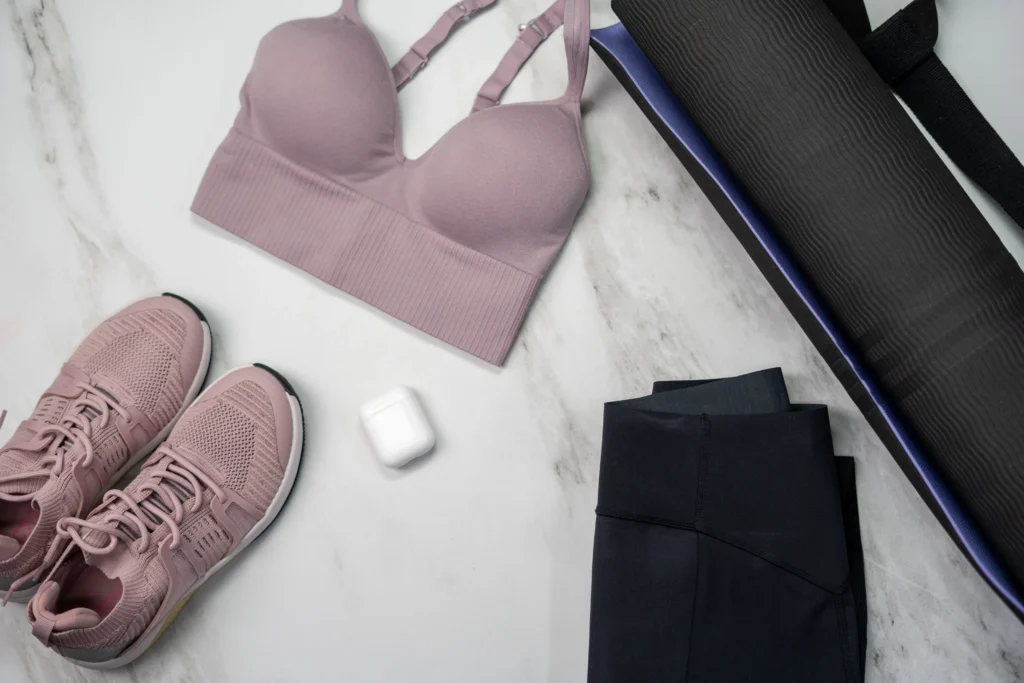
People no longer want clothing that only looks good but feels stiff. They want leggings that work for yoga and coffee runs. They want joggers that feel comfortable at home but still look clean outside. They want hoodies, tracksuits, sports bras, sneakers, and performance tops that can move between training and everyday wear.
For brands, retailers, wholesalers, distributors, and private label businesses, this shift creates a major opportunity. Athleisure sportswear is not just a trend. It is now a serious commercial category that connects fashion, fitness, wellness, streetwear, and lifestyle apparel.
The global athleisure market was estimated at USD 422.04 billion in 2025, with Grand View Research projecting continued growth through 2033. This shows why sportswear brands and apparel businesses are investing heavily in activewear that works beyond the gym. Grand View Research’s athleisure market report highlights how large this category has become.
This guide explains what athleisure sportswear means, why it became popular, which pieces matter most, how brands can design better products, and how GHC Sportswear® can support custom athleisure manufacturing for modern B2B buyers.
What Is Athleisure Sportswear?
Athleisure sportswear is clothing designed to combine athletic function with casual everyday style. It includes pieces that can be worn for light workouts, travel, lounging, errands, studio classes, gym sessions, and casual social settings.
The goal is simple: clothing should be comfortable enough for movement and polished enough for daily wear.
Common athleisure sportswear items include:
- Leggings
- Joggers
- Hoodies
- Sweatshirts
- Sports bras
- Tank tops
- Crop tops
- Tracksuits
- Performance T-shirts
- Bike shorts
- Lightweight jackets
- Sneakers
- Matching activewear sets
The best athleisure pieces are not only fashionable. They also need practical features such as stretch, breathability, sweat control, softness, durability, and shape retention.
For B2B buyers, athleisure sportswear is valuable because it reaches multiple customer groups. Fitness customers, students, professionals, travelers, wellness buyers, and casualwear shoppers all use this category.
Why Athleisure Became So Popular
Athleisure became popular because modern lifestyles changed. People want clothing that supports movement, comfort, and flexibility throughout the day.
Several factors pushed the category forward.
Comfort became a priority
Consumers started choosing softer, stretchier, more practical clothing for daily use. Tight formalwear and stiff casualwear became less attractive for many people, especially after remote work and hybrid routines became more common.
Fitness became part of lifestyle culture
Gym training, yoga, pilates, running, walking, and wellness activities became part of daily identity for many customers. Athleisure sportswear allowed people to dress in a way that matched this lifestyle.
Sportswear entered fashion
Sportswear is no longer separate from fashion. Vogue reported in 2026 that new activewear brands need credibility, community, and real performance connection to stand out in a crowded market. That is important for startups because generic leggings and basic gym tops are no longer enough. Vogue’s activewear business coverage also shows how competitive the category has become.
Social media increased demand
Influencers, athletes, fitness creators, and celebrities helped make athleisure more visible. Matching sets, gym outfits, pilates looks, streetwear styling, and wellness aesthetics became common across social platforms.
People want fewer but more useful products
A good athleisure product can be used in different situations. This makes it more valuable than clothing that only works for one occasion.
The Evolution of Athleisure Sportswear
Athleisure did not appear overnight. It developed through decades of fitness, streetwear, sports culture, and fashion changes.
1970s and 1980s: Fitness culture enters fashion
During the 1970s and 1980s, fitness culture became more visible. Aerobics, jogging, gym memberships, and sports brands became part of everyday life. Tracksuits, sneakers, leggings, and workout tops started appearing outside training spaces.
This period made people more comfortable wearing athletic clothing casually.
1990s: Streetwear and hip-hop influence
In the 1990s, sportswear became deeply connected with streetwear and hip-hop culture. Oversized hoodies, sweatpants, sneakers, baseball caps, and branded tracksuits became everyday fashion pieces.
This decade helped sportswear move from performance clothing into identity clothing.
2000s: Celebrity and lifestyle branding
In the 2000s, activewear became more stylish and brand-driven. Celebrities, music artists, and fashion labels helped bring sporty clothing into lifestyle fashion.
Leggings, yoga pants, zip hoodies, and sneakers became daily wardrobe items.
2010s to today: Athleisure becomes mainstream
Athleisure sportswear is now worn almost everywhere. It appears in gyms, airports, offices, coffee shops, universities, retail stores, and social media content.
Fashion and sports continue to overlap. Vogue described 2024 as a major year for the connection between fashion and sports, with major events and brand collaborations increasing the cultural value of sportswear.
For apparel businesses, this means sportswear is no longer only for athletes. It is now part of everyday consumer behavior.
Key Athleisure Sportswear Pieces
A strong athleisure collection should be built around core products that customers can wear often.
| Product | Main Purpose | Important Features |
|---|---|---|
| Leggings | Fitness, yoga, daily wear | Stretch, coverage, waistband support |
| Joggers | Casualwear and light training | Comfort, fit, durability |
| Hoodies | Layering and lifestyle wear | Softness, structure, branding |
| Sports bras | Support and styling | Compression, fit, breathability |
| Tank tops | Workouts and layering | Lightweight fabric, movement |
| Tracksuits | Teamwear and casualwear | Matching design, comfort, branding |
| Bike shorts | Summer activewear and studio wear | Stretch, coverage, waistband control |
| Jackets | Outdoor layering | Weather resistance, lightweight comfort |
Each product should be designed with a clear customer and use case in mind.
A yoga brand may focus on leggings, crop tops, sports bras, and soft layers. A men’s activewear brand may focus on joggers, gym shirts, hoodies, and tracksuits. A teamwear brand may focus on tracksuits, warm-ups, training tops, and branded athleisure sets.
GHC Sportswear® supports custom apparel categories for both women’s and men’s sportswear through its custom wholesale women’s sportswear manufacturing page and custom wholesale men’s sportswear manufacturing page.
Fabric Choices for Athleisure Sportswear
Fabric decides how athleisure feels, performs, and lasts. A product may look good in a photo, but if the fabric pills, traps sweat, loses shape, or becomes uncomfortable, customers will not reorder.
Important fabric features include:
- Stretch
- Soft hand feel
- Breathability
- Moisture control
- Shape recovery
- Durability
- Wash resistance
- Colorfastness
- Opacity
- Weight balance
Common athleisure fabrics include:
| Fabric Type | Best Use | Main Benefit |
|---|---|---|
| Nylon-spandex | Leggings, sports bras, fitted tops | Stretch and recovery |
| Polyester-spandex | Training tops, sets, performance wear | Moisture control and durability |
| Cotton fleece | Hoodies, joggers, sweatshirts | Softness and casual comfort |
| Organic cotton blends | Lifestyle athleisure | Softer sustainable positioning |
| Recycled polyester | Performance tops and tracksuits | Lower-impact material option |
| Modal or bamboo blends | Soft tops and lounge activewear | Smooth feel and comfort |
For yoga-focused athleisure, buyers can review relevant product categories on the custom wholesale women’s yoga wear manufacturer page.
Styling Athleisure Without Looking Unplanned
Athleisure should look intentional, not careless. The best outfits balance sporty pieces with clean styling.
Useful styling ideas include:
- Pair leggings with an oversized hoodie
- Wear joggers with a fitted performance tee
- Match a sports bra with high-waist leggings and a zip jacket
- Style a tracksuit with clean sneakers
- Add a structured jacket over activewear
- Use neutral colors for premium daily wear
- Use bold colors for youth and streetwear collections
For brands, styling matters because it affects product photography, website presentation, social media content, and customer perception.
A basic black legging can look cheap or premium depending on fabric, fit, waistband, stitching, and how it is presented.
Athleisure Sportswear for Different Buyers
Athleisure is useful because it works across many customer types.
Fitness startups
Fitness startups can build collections around leggings, sports bras, tank tops, shorts, and lightweight hoodies. The focus should be fit, stretch, and product testing.
Private label brands
Private label businesses can create custom athleisure sportswear with their own labels, packaging, colors, and product identity. This helps them avoid selling generic activewear.
Retailers
Retailers can use athleisure to serve customers who want comfortable daily clothing with a performance look.
Wholesalers and distributors
Wholesalers can supply athleisure pieces to gyms, studios, retailers, clubs, and online stores. Their priority should be repeatable quality and size consistency.
Sports teams and clubs
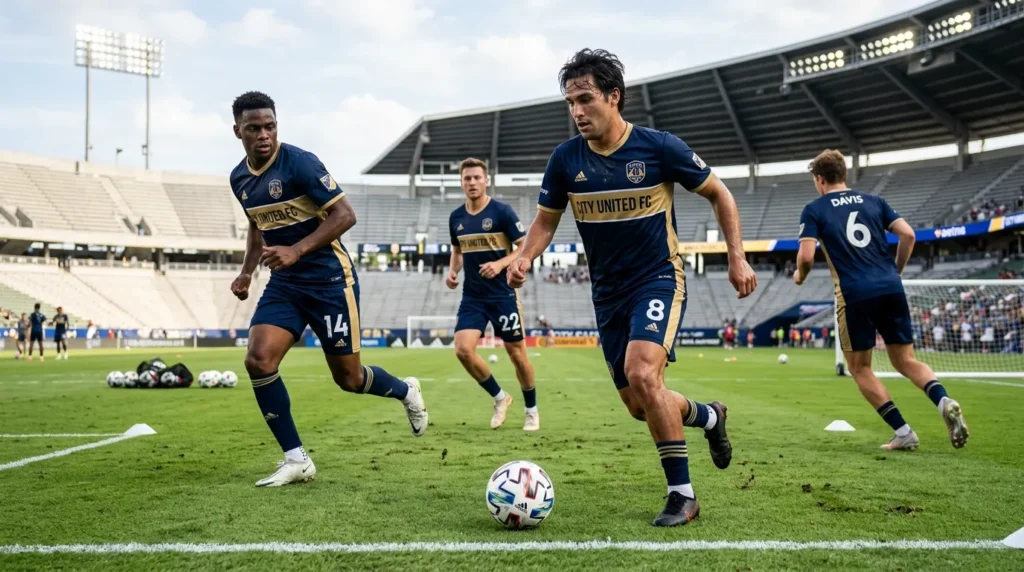
Teams can use athleisure for travel wear, training wear, warm-up sets, hoodies, joggers, and off-field apparel. Teamwear buyers can also explore the custom wholesale sports uniforms manufacturer page.
Equestrian and motorbike lifestyle brands
Athleisure styling can also influence equestrian and motorbike lifestyle apparel. Equestrian brands can use soft layers, fitted tops, and lifestyle jackets through the custom wholesale equestrian gear manufacturer page. Motorbike apparel brands can combine biker lifestyle styling with casual apparel through the custom wholesale motorbike gear manufacturer page.
Sustainable Athleisure Sportswear
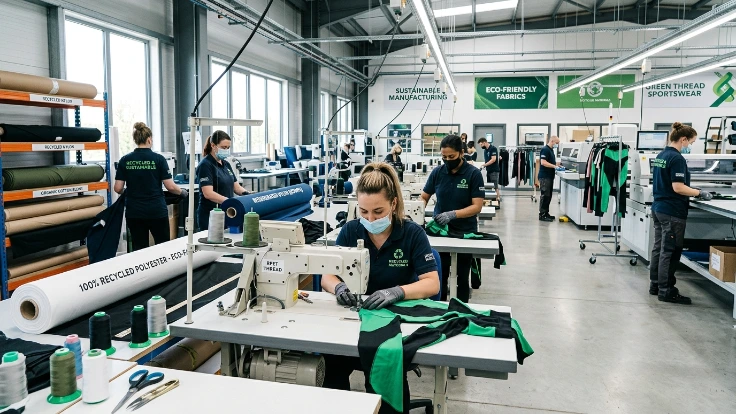
Sustainability is now an important part of athleisure sportswear. Customers are more aware of textile waste, material sourcing, and product durability.
The sustainable athleisure market was estimated at USD 88.75 billion in 2024 and is projected by Grand View Research to reach USD 176.05 billion by 2030, which shows strong demand for eco-conscious activewear. Grand View Research’s sustainable athleisure market report connects this growth to wellness and sustainability priorities.
Sustainable athleisure may include:
- Recycled polyester
- Recycled nylon
- Organic cotton
- Bamboo-based blends
- Lower-impact packaging
- Better cutting efficiency
- Durable stitching
- Long-lasting product design
UNEP explains that the textile and fashion sector has major environmental impacts, including pollution, waste, climate pressure, and resource use, which is why circular textile systems are becoming more important. UNEP’s sustainable and circular textiles work supports the need for better material and production decisions in apparel.
For B2B buyers, sustainability should not be treated as only a marketing phrase. It should be built into fabric selection, production planning, packaging, and product durability.
Athleisure Sportswear vs Traditional Sportswear
Athleisure and traditional sportswear overlap, but they are not the same.
| Area | Traditional Sportswear | Athleisure Sportswear |
|---|---|---|
| Main Use | Training and competition | Fitness plus daily wear |
| Design Focus | Performance first | Comfort, style, and function |
| Styling | Sport-specific | Lifestyle-friendly |
| Fabric Need | Performance and durability | Softness, stretch, and everyday comfort |
| Branding | Team or sport identity | Brand lifestyle identity |
| Customer Use | Practice, games, workouts | Gym, errands, travel, work-from-home, casual wear |
Traditional sportswear is built mainly for performance. Athleisure sportswear must perform well enough for movement but also look good enough for everyday wear.
This makes design more challenging. A product must feel comfortable, fit well, photograph well, and hold up through repeated use.
What Makes a Good Athleisure Product?
A strong athleisure product must be practical. It cannot rely only on trend styling.
Good athleisure sportswear should have:
- Comfortable fit
- Clean stitching
- Durable fabric
- Good stretch recovery
- Smooth hand feel
- Breathability
- Shape retention
- Practical pockets where needed
- Strong waistband construction
- Clean branding
- Wash durability
- Consistent sizing
For leggings, opacity and waistband recovery are critical. For joggers, fabric weight and knee recovery matter. For hoodies, softness and shrinkage control are important. For sports bras, support and fit are essential.
Common Mistakes in Athleisure Manufacturing
Many brands enter athleisure because the category looks profitable, but they make avoidable mistakes.
Common mistakes include:
- Copying generic designs
- Choosing fabric only by softness
- Ignoring stretch recovery
- Using weak waistbands
- Poor size grading
- No squat-proof testing
- Low-quality stitching
- Weak color control
- No wash testing
- Overloading the first collection
- Making vague sustainability claims
- Not planning repeat production
The biggest mistake is treating athleisure like basic casualwear. It is not basic. It must handle movement, washing, daily use, and brand presentation.
Building an Athleisure Collection
A new brand should start with a focused collection instead of too many products.
A strong starter athleisure collection may include:
- Leggings
- Sports bras
- Tank tops
- Joggers
- Hoodies
- Bike shorts
- Lightweight jackets
This gives customers enough variety without making production too complex.
A men’s collection may begin with:
- Training T-shirts
- Joggers
- Hoodies
- Shorts
- Tracksuits
A women’s collection may begin with:
- Leggings
- Sports bras
- Crop tops
- Bike shorts
- Oversized hoodies
A studio or wellness brand may begin with:
- Soft leggings
- Tank tops
- Wrap tops
- Lounge joggers
- Branded hoodies
Buyers can explore broader custom production options through the GHC Sportswear® products page and manufacturing capabilities through the GHC Sportswear® services page.
How GHC Sportswear® Supports Custom Athleisure Sportswear
GHC Sportswear® works with brands, startups, retailers, wholesalers, distributors, clubs, studios, and private label businesses that need custom athleisure sportswear manufacturing.
GHC Sportswear® can help with:
- Custom leggings
- Sports bras
- Joggers
- Hoodies
- Tracksuits
- Crop tops
- Tank tops
- Bike shorts
- Performance T-shirts
- Studio wear
- Private label production
- Custom logos
- Labels and packaging
- Fabric sourcing
- Bulk production
- Sampling and development
For B2B buyers, the goal is not only to create stylish activewear. The goal is to create products that fit well, feel comfortable, last through repeated use, and represent the brand clearly.
For more related articles, buyers can visit the GHC Sportswear® blogs page.
Need Custom Athleisure Sportswear for Your Brand?
If you are launching an activewear brand, building a private label collection, supplying retailers, creating gym apparel, or developing studio merchandise, GHC Sportswear® can help you manufacture athleisure sportswear built for real customer use.
GHC Sportswear® works with:
- Activewear brands
- Fitness startups
- Yoga studios
- Pilates studios
- Sportswear retailers
- Wholesalers
- Distributors
- Clubs
- Academies
- Private label businesses
GHC Sportswear® provides support for fabric selection, product development, sampling, branding, packaging, labels, size grading, and bulk production.
For brands, the best athleisure products are not only trendy. They are comfortable, durable, practical, and repeatable in production.
Contact GHC Sportswear® for custom athleisure sportswear manufacturing:
WhatsApp: https://wa.me/ghcsportswear
Email: info@ghcsportswar.com
Contact page: GHC Sportswear® contact us
Conclusion
Athleisure sportswear has reshaped modern clothing because it matches how people live now. Customers want comfort, flexibility, movement, and style in the same product.
Leggings, joggers, hoodies, sports bras, tank tops, tracksuits, and sneakers are no longer only workout items. They are part of everyday fashion.
For brands, retailers, wholesalers, distributors, and private label businesses, athleisure sportswear offers strong commercial potential. But success depends on product quality, fabric selection, fit, durability, sustainability, and clear brand identity.
The best athleisure products do not feel like generic gym clothing. They feel useful, comfortable, well-made, and suitable for daily life.
GHC Sportswear® helps B2B buyers create custom athleisure sportswear that supports performance, lifestyle use, and long-term brand growth.
Related Blog:
Sustainable Sportswear Manufacturing: Eco-Friendly Production for Modern Brands