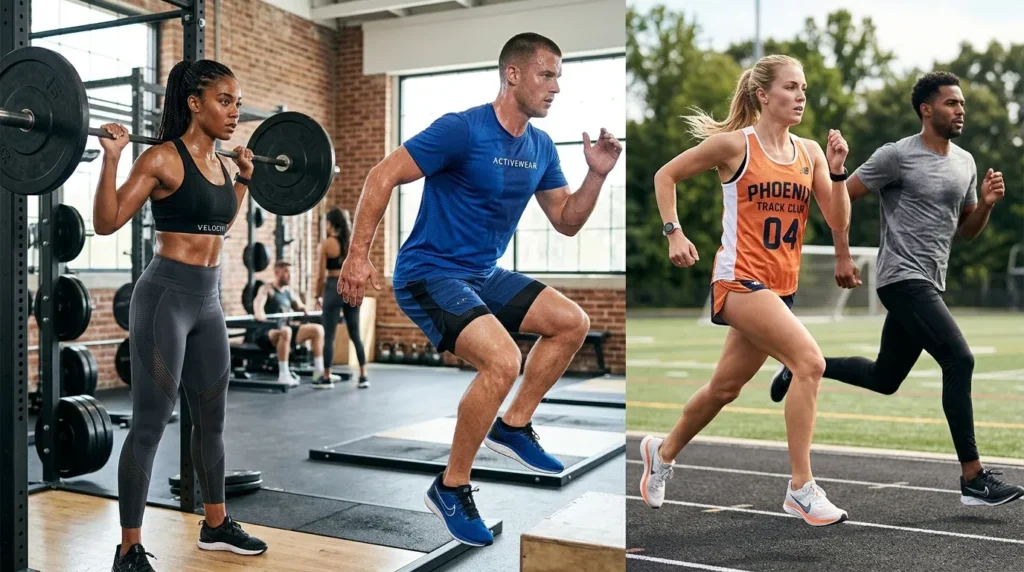
Moisture-Wicking Fabrics: How They Improve Sportswear Performance
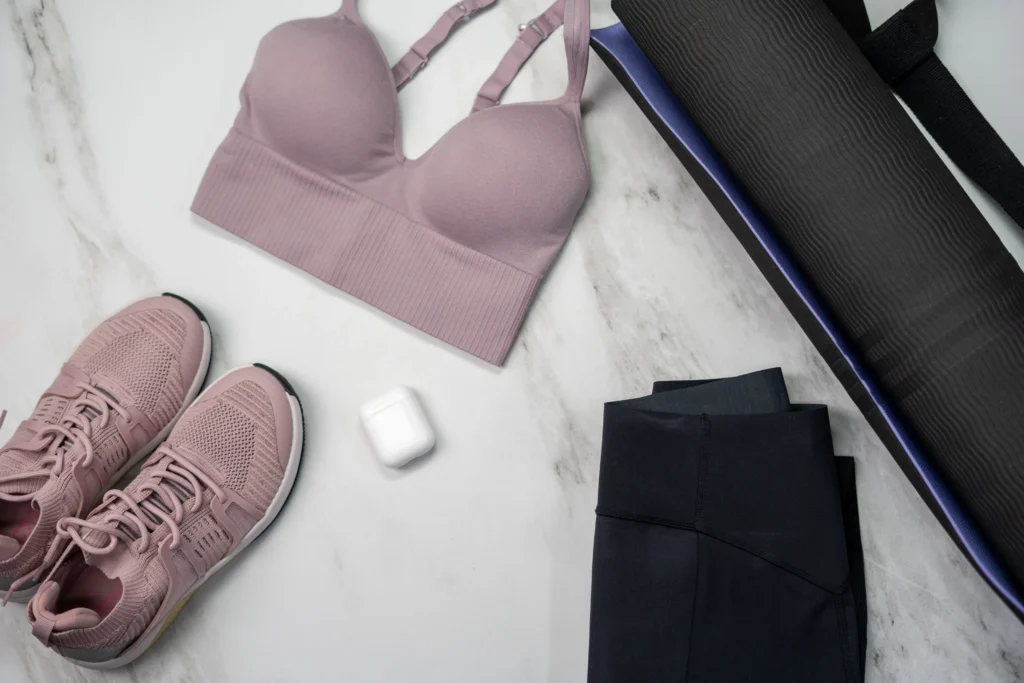
Moisture-wicking fabrics have become one of the most important material choices in modern sportswear, activewear, team uniforms, gym clothing, yoga wear, and outdoor apparel. These fabrics are designed to move sweat away from the skin and help it spread across the fabric surface so it can evaporate faster.
For athletes, this means better comfort during training.
For brands, teams, wholesalers, distributors, retailers, and private label businesses, it means stronger product quality and better customer satisfaction.
A sports shirt may look good in photos, but if it becomes heavy, sticky, and uncomfortable during use, customers will not trust it. A gym top may have a nice fit, but if it traps sweat, it will feel poor during intense sessions. A team uniform may look professional, but if the fabric does not breathe well, players may feel uncomfortable during long games.
That is why moisture-wicking fabrics matter. They are not just a technical detail. They affect how sportswear feels, performs, washes, dries, and sells.
This guide explains how moisture-wicking fabrics work, why they are useful, which materials are commonly used, where they should be applied, and what B2B buyers should check before manufacturing custom sportswear.
What Are Moisture-Wicking Fabrics?
Moisture-wicking fabrics are performance textiles designed to pull sweat away from the skin and move it toward the outer surface of the fabric. Once sweat reaches the surface, it can evaporate more efficiently.
This process helps reduce the wet, heavy, clingy feeling that often happens with traditional fabrics during exercise.
Moisture-wicking fabrics are commonly used in:
- Running shirts
- Gym tops
- Football jerseys
- Basketball uniforms
- Cycling apparel
- Yoga wear
- Sports bras
- Leggings
- Compression wear
- Base layers
- Socks
- Outdoor apparel
- Team uniforms
The goal is not to stop sweating. Sweating is a natural cooling process. The goal is to manage sweat better so the garment stays lighter, drier, and more comfortable during movement.
Sports clothing research explains that breathable fabrics, surface treatments, and garment designs are used to support sweat evaporation and comfort during exercise, especially in hot conditions. (pmc.ncbi.nlm.nih.gov)
For B2B buyers, this means fabric selection should be based on real use, not only appearance.
How Moisture-Wicking Fabrics Work
Moisture-wicking fabrics work through a combination of fiber type, fabric structure, capillary action, and evaporation.
The process usually happens in three stages:
- Sweat moves away from the skin.
- Moisture spreads through the fabric structure.
- Sweat evaporates from the outer surface.
This helps the garment feel less wet against the body.
ScienceDirect describes moisture-management fabrics as textiles that help regulate heat and moisture, with wetting and wicking happening before sweat evaporates through the fabric into the environment. (sciencedirect.com)
In simple terms, moisture-wicking fabrics move sweat instead of holding it.
The Science Behind Moisture Wicking
The performance of moisture-wicking fabrics depends on how the yarns, fibers, and fabric surface are engineered.
Fiber composition
Most moisture-wicking sportswear uses synthetic fibers such as:
- Polyester
- Nylon
- Polypropylene
- Polyester-spandex blends
- Nylon-spandex blends
These fibers usually absorb less water than cotton. Instead of soaking up moisture, they help move it across the fabric surface.
This is why polyester-based performance shirts often dry faster than cotton T-shirts. Cotton can feel soft, but it tends to absorb and hold sweat, which can make it feel heavy during exercise.
Capillary action
Capillary action is the movement of liquid through small spaces. In fabric, these small spaces exist between fibers and yarns.
When sweat reaches the fabric, capillary action helps pull the moisture away from the skin and distribute it through the material. This spreading effect increases the area available for evaporation.
Surface area and evaporation
Once sweat spreads across the fabric surface, it can evaporate faster. This is one reason moisture-wicking fabrics are useful in athletic apparel.
Evaporation is important because it helps remove heat from the body. In dry conditions, evaporation usually works better. In very humid conditions, evaporation slows down because the air already contains more moisture.
This is why no fabric can make an athlete feel perfectly dry in every condition. Moisture-wicking fabrics help manage sweat, but weather, humidity, intensity, and garment fit also affect comfort.
Moisture-Wicking Fabrics vs Cotton
Cotton is comfortable for casual wear, but it is not always the best choice for high-sweat sportswear.
| Area | Cotton | Moisture-Wicking Fabrics |
|---|---|---|
| Sweat behavior | Absorbs and holds moisture | Moves moisture away from skin |
| Drying speed | Slower | Faster |
| Feel during exercise | Can become heavy and clingy | Usually stays lighter |
| Best use | Casualwear, lifestyle apparel | Training, sportswear, uniforms, activewear |
| Heat comfort | Can feel wet in high sweat | Helps sweat spread and evaporate |
| Performance use | Limited for intense activity | Better for active movement |
Cotton still has value in hoodies, lifestyle sportswear, casual athleisure, and low-intensity apparel. But for serious training, team uniforms, running, gym wear, and performance activewear, moisture-wicking fabrics are often the better choice.
Why Moisture-Wicking Fabrics Matter in Sportswear
Moisture-wicking fabrics are important because sweat management affects comfort, movement, and product quality.
When sweat stays trapped against the body, athletes may feel:
- Wet
- Heavy
- Sticky
- Hot
- Distracted
- Irritated
- Less comfortable during movement
A good moisture-wicking garment helps reduce these problems.
The CDC advises athletes in hot conditions to wear loose, lightweight, light-colored clothing, which supports the broader point that clothing choices matter for heat comfort during activity. (cdc.gov)
For teams and brands, this is important. A uniform or activewear product must feel good during real use, not only when tried on for a few seconds.
Key Benefits of Moisture-Wicking Fabrics
Moisture-wicking fabrics offer several benefits for athletes and sportswear buyers.
Better sweat control
The main benefit is sweat movement. Moisture-wicking fabrics pull sweat away from the skin and help it evaporate faster from the fabric surface.
This keeps the garment feeling lighter and more comfortable.
Improved comfort
A wet shirt can cause discomfort during training. It may stick to the body, rub against the skin, or feel heavy.
Moisture-wicking fabrics help reduce this issue by moving moisture away from the skin.
Better temperature comfort
Moisture movement and evaporation help support body cooling. This does not mean the fabric controls body temperature completely, but it can support comfort during activity.
Faster drying
Moisture-wicking sportswear often dries faster than cotton. This is useful for athletes, teams, gyms, travel, and repeated training sessions.
Reduced irritation
Wet, heavy fabric can increase friction. Better sweat management may help reduce chafing and irritation, especially during running, cycling, gym training, and team sports.
Better product experience
For customers, comfort is one of the strongest reasons to reorder. If a shirt feels dry, light, and breathable during training, the product feels more valuable.
Best Materials for Moisture-Wicking Sportswear
Not all moisture-wicking fabrics are the same. The right material depends on the product type and sport.
| Material | Best Use | Main Benefit |
|---|---|---|
| Polyester | Jerseys, T-shirts, tracksuits | Durable, quick drying, good print compatibility |
| Nylon | Leggings, sports bras, compression wear | Smooth feel and strong stretch recovery |
| Polypropylene | Base layers and technical garments | Low moisture absorption |
| Polyester-spandex | Gym tops, activewear, team uniforms | Stretch and sweat control |
| Nylon-spandex | Yoga wear, leggings, sports bras | Soft feel, stretch, recovery |
| Merino blends | Base layers and socks | Comfort, odor control, natural feel |
| Mesh polyester | Hot-weather uniforms | Airflow and breathability |
For B2B buyers, the fabric should match the product. A football jersey does not need the same fabric as a yoga legging. A cycling jersey does not need the same structure as a hoodie. A base layer does not need the same hand feel as a team T-shirt.
GHC Sportswear® helps buyers select suitable performance fabrics for different product categories through custom sportswear manufacturing. Buyers can review broader manufacturing options on the GHC Sportswear® services page.
Applications of Moisture-Wicking Fabrics
Moisture-wicking fabrics are used across many sportswear categories.
Team uniforms
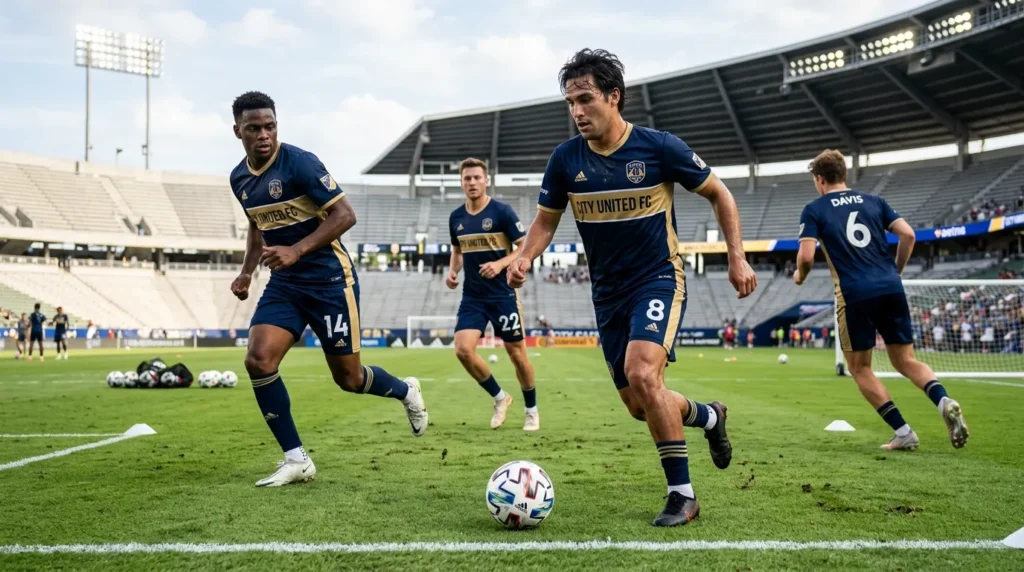
Football kits, basketball uniforms, cricket jerseys, baseball uniforms, rugby shirts, and training tops often use moisture-wicking fabrics because players sweat heavily during activity.
For teams and suppliers, this improves comfort and gives the uniform a more professional performance feel. Relevant teamwear categories are available through the custom wholesale sports uniforms manufacturer page.
Gym and fitness apparel
Gym shirts, tank tops, shorts, sports bras, and leggings benefit from sweat-wicking materials because training sessions often involve high movement and repeated sweating.
Women’s activewear buyers can explore related options on the custom wholesale women’s sportswear manufacturer page, while men’s sportswear buyers can review the custom wholesale men’s sportswear manufacturer page.
Yoga and studio wear
Yoga wear needs stretch, softness, coverage, and comfort. Moisture-wicking fabrics are especially useful for hot yoga, pilates, studio training, and high-movement sessions.
Yoga apparel buyers can review relevant product options on the custom wholesale women’s yoga wear manufacturer page.
Base layers
Base layers need to sit close to the skin, so sweat management is important. Moisture-wicking fabrics help keep the first layer more comfortable under jackets, uniforms, or outdoor gear.
Socks
Moisture-wicking socks help keep feet drier during running, training, and team sports. This can improve comfort and reduce the wet feeling that leads to friction.
Athleisure
As athleisure grows, moisture-wicking fabrics are being used in casual performance apparel such as joggers, tops, lightweight hoodies, and travel wear. Customers want clothing that feels comfortable for both daily life and light activity.
Moisture-Wicking Fabrics for Different Sports
Different sports require different fabric decisions.
| Sport or Activity | Recommended Fabric Direction | Key Requirement |
|---|---|---|
| Running | Lightweight polyester or polyester-spandex | Fast drying and low weight |
| Football | Polyester jersey mesh | Breathability and durability |
| Basketball | Lightweight mesh polyester | Airflow and movement |
| Gym training | Polyester-spandex or nylon-spandex | Stretch and sweat control |
| Yoga | Nylon-spandex or polyester-spandex | Stretch, softness, coverage |
| Cycling | Polyester performance knit | Moisture control and close fit |
| Baseball | Polyester or performance mesh | Durability and breathability |
| Outdoor training | Layered moisture-wicking systems | Sweat control and weather comfort |
This is why fabric testing matters. A fabric that works well for a running shirt may not be right for leggings. A fabric that works for team jerseys may not be ideal for sports bras.
Moisture-Wicking Fabrics and Odor Control
Moisture-wicking fabrics help manage sweat, but they do not automatically eliminate odor. Odor is usually caused by bacteria interacting with sweat and skin oils.
Some performance fabrics use antimicrobial finishes to reduce odor. These treatments can be useful, but B2B buyers should ask for details before making product claims.
Important questions include:
- What antimicrobial treatment is used?
- Is it tested?
- How long does it last after washing?
- Is it suitable for the target market?
- Are there compliance requirements?
- Can the claim be supported?
Brands should avoid saying “odor-proof” unless there is testing to support the claim. A safer phrase is “odor-control finish available” or “treated to help reduce odor.”
Moisture-Wicking Fabrics and Sustainability
Performance fabrics are often synthetic, which creates sustainability questions. Polyester and nylon are useful for sportswear, but brands should also consider recycled options, durability, and responsible production.
Sustainable moisture-wicking options may include:
- Recycled polyester
- Recycled nylon
- Lower-impact dyeing
- Better cutting efficiency
- Durable stitching
- Long-lasting construction
- Reduced packaging
- Responsible fabric sourcing
The Guardian reported on newer sweat-wicking and cooling fabrics being developed to help people manage heat better, while also noting practical challenges such as cost, comfort, and durability. This shows that textile innovation is moving quickly, but commercial products still need to be tested for real use. (theguardian.com)
For B2B buyers, sustainability should not mean weaker performance. The fabric still needs to stretch, breathe, wash well, and last.
Choosing the Right Moisture-Wicking Fabric
Before ordering custom sportswear, buyers should compare fabrics carefully.
Important factors include:
- Fabric composition
- GSM weight
- Stretch percentage
- Breathability
- Drying speed
- Hand feel
- Opacity
- Colorfastness
- Shrinkage control
- Pilling resistance
- Wash durability
- Printing compatibility
- Price and availability
A lightweight fabric may be good for running shirts but too thin for team uniforms. A soft fabric may feel good for yoga but may not be durable enough for football kits. A highly stretchy fabric may work for leggings but may not be needed for basic training T-shirts.
Good sourcing starts with product purpose.
Testing Moisture-Wicking Sportswear Before Bulk Production
A sample should be tested before bulk production. This is especially important for brands, wholesalers, distributors, and team suppliers.
Useful tests include:
- Fit test
- Movement test
- Sweat comfort check
- Wash test
- Drying test
- Stretch recovery test
- Colorfastness check
- Print durability check
- Seam strength check
- Pilling check
For example, a moisture-wicking gym shirt should be tested during movement, not only checked on a hanger. A sports bra should be tested for stretch recovery and support. A legging should be tested for opacity, waistband recovery, and fabric feel.
Testing helps prevent customer complaints after the order is already produced.
Common Mistakes Buyers Make
Many sportswear buyers choose moisture-wicking fabrics without understanding the full product requirement.
Common mistakes include:
- Choosing fabric only by price
- Assuming all polyester is the same
- Ignoring GSM weight
- Not testing breathability
- Using fabric that is too thin
- Forgetting stretch recovery
- Ignoring odor control claims
- Not testing after washing
- Choosing the wrong fabric for printing
- Making unsupported performance claims
- Skipping sample approval
The biggest mistake is assuming that “moisture-wicking” automatically means high quality. It does not.
Fabric quality depends on fiber, yarn, knit structure, finishing, garment construction, and quality control.
Moisture-Wicking Fabrics vs Breathable Fabrics
Moisture-wicking and breathable are related, but they are not the same.
| Feature | Moisture-Wicking Fabric | Breathable Fabric |
|---|---|---|
| Main Function | Moves sweat away from skin | Allows air and vapor movement |
| Main Benefit | Helps fabric feel drier | Helps reduce heat build-up |
| Best Use | High-sweat activity | Hot weather and active movement |
| Common Example | Polyester performance jersey | Mesh panels or open-knit fabric |
| Ideal Product | Running shirt, sports jersey | Summer training top, outdoor uniform |
The best performance sportswear often uses both. A shirt may use moisture-wicking polyester fabric with breathable mesh panels. A uniform may combine sweat-wicking fabric with ventilation zones.
How GHC Sportswear® Supports Moisture-Wicking Sportswear Production
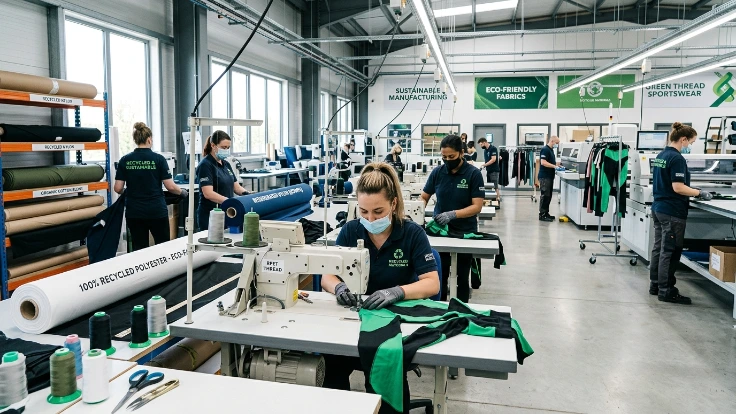
GHC Sportswear® supports brands, teams, clubs, academies, wholesalers, distributors, retailers, fitness startups, and private label businesses with custom moisture-wicking sportswear manufacturing.
GHC Sportswear® can help with:
- Moisture-wicking T-shirts
- Performance jerseys
- Training tops
- Gym wear
- Sports bras
- Leggings
- Compression apparel
- Team uniforms
- Running shirts
- Tracksuits
- Base layers
- Custom logos
- Private labels
- Bulk production
- Fabric sourcing
- Sampling and development
Buyers can explore available product categories on the GHC Sportswear® products page and learn more about custom production support through the custom sportswear manufacturing guide.
For B2B buyers, the goal is not only to use moisture-wicking fabrics. The goal is to choose the right fabric for the right product, then manufacture it with consistent quality.
Need Moisture-Wicking Sportswear for Your Brand or Team?
If you are launching a sportswear brand, supplying teams, building a gym apparel line, creating yoga wear, or developing private label activewear, GHC Sportswear® can help you manufacture custom sportswear using suitable moisture-wicking fabrics.
GHC Sportswear® works with:
- Sportswear brands
- Fitness startups
- Sports teams
- Clubs
- Academies
- Wholesalers
- Distributors
- Retailers
- Yoga brands
- Private label businesses
- Team uniform suppliers
GHC Sportswear® provides support for fabric selection, product development, custom designs, private labels, logos, packaging, sampling, size grading, and bulk production.
For brands, the right fabric can improve comfort, reduce complaints, and create stronger repeat orders. For teams, moisture-wicking fabrics can make uniforms more comfortable during training and competition.
Contact GHC Sportswear® for custom moisture-wicking sportswear manufacturing:
WhatsApp: https://wa.me/ghcsportswear
Email: info@ghcsportswar.com
Contact page: GHC Sportswear® contact us
Conclusion
Moisture-wicking fabrics have changed modern sportswear because they help manage sweat, improve comfort, and support better product performance during activity.
These fabrics work by moving sweat away from the skin, spreading moisture across the fabric surface, and supporting faster evaporation. This helps sportswear feel lighter, drier, and more comfortable than traditional sweat-absorbing fabrics in many training conditions.
For athletes, moisture-wicking fabrics can improve the training experience.
For teams, clubs, academies, brands, wholesalers, distributors, and private label businesses, they help create better sportswear products with stronger customer value.
The key is choosing the right fabric for the right product. A running shirt, football jersey, yoga legging, sports bra, base layer, and gym top all need different fabric decisions.
GHC Sportswear® helps B2B buyers develop custom sportswear using practical moisture-wicking fabrics, suitable construction, and production systems designed for real use.
Related Blog:
Custom Sportswear Manufacturing Guide: https://ghcsportswear.com/custom-sportswear-manufacturing-guide/
Private Label Apparel Manufacturing Guide for Startups & Brands