Why Leather Tack Cracks So Fast (And How to Stop It)
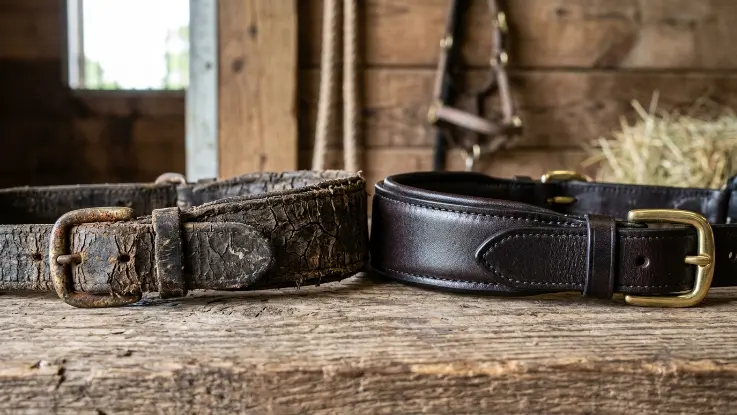
If you’re wondering why leather tack cracks, the answer is simple: leather doesn’t fail randomly — it breaks down because of how it’s used, stored, and maintained.
Cracked tack isn’t just a cosmetic issue. It affects durability, safety, and long-term cost. Understanding the real causes helps riders, stables, and equestrian businesses protect their investment.
Why Leather Tack Cracks: The Core Problem
Leather is a natural material. It needs moisture balance to stay flexible.
When leather dries out, fibers weaken — and that’s when cracking begins.
According to the Leather Research Laboratory, leather deterioration is primarily caused by loss of oils and exposure to environmental stress.
Top Reasons Why Leather Tack Cracks
1. Lack of Conditioning
The number one reason why leather tack cracks is poor maintenance.
Without conditioning:
- leather dries out
- fibers become brittle
- cracks appear under pressure
Guidelines from the Leather Conservation Centre emphasize regular conditioning to maintain flexibility.
2. Exposure to Sunlight and Heat
Direct sunlight removes natural oils from leather.
This leads to:
- fading
- stiffness
- surface cracking
Even short exposure over time causes damage.
3. Poor Storage Conditions
Leather stored in:
- damp areas
- overly dry rooms
- poorly ventilated spaces
will degrade faster.
4. Low-Quality Leather Materials
Not all leather is equal.
Cheap leather:
- has weaker fiber structure
- contains less natural oil
- cracks faster under stress
5. Sweat and Dirt Buildup
Riding exposes tack to sweat, dust, and dirt.
If not cleaned:
- salt from sweat dries leather
- dirt damages surface layers
According to American Leather Chemists Association, salt buildup accelerates leather degradation.
Leather Damage Comparison Table
| Cause | Effect on Leather | Long-Term Impact |
|---|---|---|
| No conditioning | Dryness | Cracking |
| Sun exposure | Oil loss | Stiffness |
| Poor storage | Moisture imbalance | Mold or brittleness |
| Low-quality leather | Weak fibers | Early failure |
| Sweat buildup | Salt damage | Surface breakdown |
How Fast Leather Tack Can Degrade
Studies in leather durability show untreated leather can lose up to 30–40% flexibility within months under poor conditions.
That’s why some tack cracks within a single season.
For equestrian businesses, riding schools, and bulk buyers, maintaining consistent quality across gear is critical.
Explore structured equestrian gear and production solutions here
How to Prevent Leather Tack from Cracking
Simple Maintenance Checklist
- Clean after every ride
- Condition regularly
- Store in dry, ventilated space
- Avoid direct sunlight
- Use quality leather products
Leather Care Routine (Recommended)
| Step | Action | Frequency |
|---|---|---|
| Cleaning | Remove dirt & sweat | After use |
| Conditioning | Apply leather oil/balm | Weekly |
| Inspection | Check for wear | Monthly |
| Storage | Keep dry & ventilated | Always |
Why This Matters for Bulk Buyers
For individual riders, cracked tack is inconvenient.
For businesses:
- increases replacement cost
- affects brand reputation
- creates inconsistency across equipment
This is why many equestrian brands prefer controlled manufacturing + quality materials from the start.
Need a Reliable B2B Equestrian Gear Partner?
GHC Sportswear® supports:
- equestrian brands
- wholesalers
- riding academies
- private label businesses
We provide:
- custom leather and synthetic tack
- bulk manufacturing
- consistent quality control
- scalable production systems
If you’re sourcing at scale, durability starts at production.
- WhatsApp: https://wa.me/ghcsportswear
- Email: info@ghcsportswar.com
Final Thoughts
If you understand why leather tack cracks, you can prevent it.
Most damage comes from:
- poor maintenance
- bad storage
- low-quality materials
Fix those — and your tack lasts years, not months.