Cheap Tack vs Quality Tack: Where Riders Lose Money and How to Buy Smarter
The debate around cheap tack vs quality tack usually starts with price, but it rarely ends there.
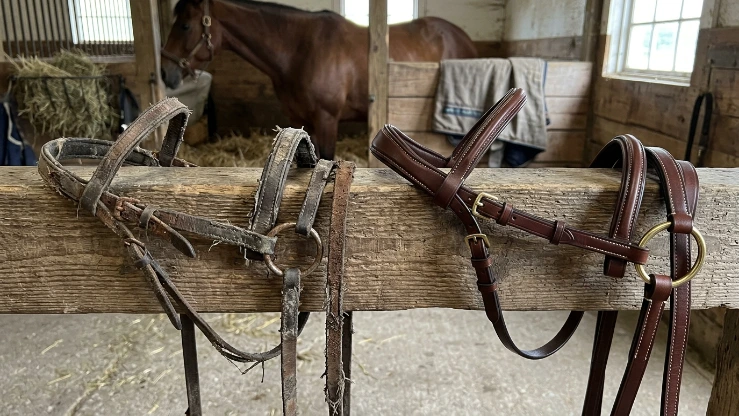
Many riders choose lower-cost tack because it looks like an easy way to save money. A cheaper bridle, saddle pad, girth, halter, rug, or pair of reins may seem like the smart option at checkout. But after a few months of use, the real cost often appears through cracking material, poor stitching, uncomfortable fit, replacement costs, repair bills, horse discomfort, and inconsistent performance.
A useful rule for every rider and equestrian buyer is:
“Cheap tack is only cheap until you buy it twice.”
That does not mean every expensive product is automatically good. It also does not mean every affordable product is bad. The real difference is not only the price tag. The real difference is material quality, fit, construction, durability, comfort, safety, and long-term value.
For riding schools, equestrian clubs, academies, retailers, wholesalers, distributors, and private label brands, this issue becomes even more important. One poor-quality item is frustrating. A bulk order of poor-quality tack becomes a business problem.
GHC Sportswear® supports custom equestrian gear manufacturing, equestrian apparel and gear manufacturing, saddle pads, bridles, halters, horse rugs, riding apparel, private label equestrian products, and bulk equestrian gear development for B2B buyers worldwide.
Direct Answer: Cheap Tack vs Quality Tack
The real difference between cheap tack vs quality tack is long-term value. Cheap tack usually has a lower upfront price but may fail faster, fit poorly, lose shape, crack, stretch, rub, or need frequent replacement. Quality tack usually costs more upfront but can deliver better durability, comfort, fit consistency, repairability, and long-term performance when selected and maintained properly.
Cheap tack often costs riders money through:
- Frequent replacement
- Poor fit
- Material cracking
- Weak stitching
- Buckle failure
- Uncomfortable pressure points
- Lower resale value
- Repair costs
- Inconsistent sizing
- Poor bulk quality
- Horse discomfort
- Lost buyer trust for retailers and brands
Quality tack helps reduce those risks by using better materials, stronger construction, better design, and more reliable production control.
Why Tack Quality Matters
Tack is not just equipment. It directly connects horse and rider.
Poor tack can affect:
- Comfort
- Control
- Communication
- Rider confidence
- Horse welfare
- Training quality
- Competition performance
- Riding-school consistency
- Brand reputation
- Product lifespan
The British Horse Society tack-fit guidance explains that a poorly fitting saddle can make a horse uncomfortable and cause pain, pressure points, or lameness. The same principle applies across tack systems: fit and comfort matter.
The RSPCA horse gear guidance also highlights areas commonly affected by poor gear fit, including the mouth corners, base of the ears, nose, jaw, girth area, and back.
In simple terms, tack quality is not only a buyer preference. It is a horse-comfort issue.
Equestrian Market Size: Why Tack Buying Decisions Matter
The equestrian sector is large enough that tack quality has serious commercial importance.
The British Equestrian State of the Nation report estimated approximately 1.82 million regular riders, 850,000 horses, and a 230,000 workforce in Great Britain.
Globally, the horse riding equipment market is also growing. Grand View Research valued the global horse riding equipment market at USD 1.6 billion in 2023 and projected it to reach USD 2.7 billion by 2030.
That means tack quality affects riders, businesses, retailers, manufacturers, and private label brands at scale.
Cheap Tack vs Quality Tack: Real Cost Difference
At first glance, cheap tack looks better because the upfront price is lower.
But real cost should include:
- Purchase price
- Replacement frequency
- Repair cost
- Fit adjustment cost
- Maintenance cost
- Horse comfort risk
- Time wasted
- Resale value
- Bulk order consistency
- Brand reputation
The British Horse Society tack affordability guidance makes the point clearly: “What appears to be a cheap saddle can work out to be very expensive” if it is damaged, does not fit, or causes discomfort.
That quote applies beyond saddles. A cheap bridle, girth, saddle pad, rug, or halter can also become expensive when it fails too early.
Price Comparison: Cheap Tack vs Quality Tack
Exact prices vary by country, material, brand, product type, and supplier. The table below is an educational cost model, not a fixed price list.
| Product | Cheap Tack Example | Quality Tack Example | Where Riders Lose Money |
|---|---|---|---|
| Bridle | $35–$80 | $120–$350 | Cheap leather cracks, poor fit, weak buckles |
| Saddle pad | $20–$45 | $55–$150 | Cheap pads flatten, slip, or lose shape |
| Girth | $25–$60 | $75–$180 | Poor material rubs or stretches |
| Halter | $10–$25 | $30–$90 | Weak hardware or stitching fails |
| Horse rug | $40–$90 | $120–$350 | Cheap rugs tear, leak, or shift |
| Reins | $15–$40 | $50–$140 | Low grip, stretching, or weak stitching |
| Breastplate | $35–$90 | $120–$300 | Poor fit and hardware failure |
| Tack set for school use | Lower upfront | Higher upfront | Cheap bulk replacements add up fast |
The cheapest tack item is not always the lowest-cost item over time.
Two-Year Cost Example
A rider buys a cheap bridle for $60. It cracks, stretches, or fits poorly and needs replacing after eight months. Over two years, the rider may buy three similar bridles.
| Option | Unit Price | Replacement Pattern | Two-Year Spend |
| Cheap bridle | $60 | Replaced 3 times | $180 |
| Better-quality bridle | $180 | Bought once | $180 |
| Quality bridle with care | $220 | Bought once, maintained | $220 |
| Cheap bridle + repair/replacement | $60 + repair costs | Unpredictable | Often higher |
The quality option may look expensive at checkout but can become more stable over time, especially when comfort, fit, and reliability are included.
Why Cheap Tack Fails Faster
Cheap tack often fails faster because the material and construction are weaker.
Common problems include:
- Low-grade leather
- Stiff synthetic material
- Weak stitching
- Poor edge finishing
- Thin padding
- Cheap buckles
- Inconsistent sizing
- Poor lining
- Weak webbing
- Poor quilting
- Weak binding
- Low-quality thread
- Poor quality control
These problems may not appear in product photos. They show up during daily use.
Cheap Tack Failure Signs
| Failure Sign | What It Means |
| Leather cracks quickly | Poor leather quality or poor finishing |
| Stitching opens | Weak thread or poor construction |
| Buckles bend or rust | Low hardware quality |
| Pad loses shape | Weak filling or poor quilting |
| Rug leaks | Poor outer fabric or coating |
| Girth stretches unevenly | Low-quality elastic or webbing |
| Bridle feels stiff | Poor leather or finishing |
| Colour rubs off | Weak dyeing or coating |
| Product sizing varies | Poor production control |
| Horse develops rubs | Fit, material, or pressure issue |
A cheap product often fails in small ways before it fully breaks.
Quality Tack Is Not Only About Leather
Many riders assume quality tack always means leather. That is not always true.
Quality tack can include:
- Well-made leather
- High-grade synthetic materials
- Technical textiles
- Durable webbing
- Reinforced stitching
- Strong hardware
- Breathable linings
- Better padding
- Stable quilting
- Washable materials
- Weather-resistant fabrics
A good synthetic product can be better than poor leather. A well-made leather product can last longer than a cheap synthetic item. The important question is not “leather or synthetic?” but “is the material fit for purpose?”
Leather vs Synthetic Tack Comparison
| Factor | Leather Tack | Synthetic Tack |
| Feel | Traditional and premium | Lightweight and practical |
| Maintenance | Needs regular care | Usually easier to clean |
| Durability | Strong when quality is good | Strong when technical material is good |
| Cost | Often higher | Often lower to mid-range |
| Weather resistance | Needs care in wet conditions | Often better in wet/muddy use |
| Repairability | Often repairable | Depends on construction |
| Best for | Premium riding, showing, long-term use | Riding schools, daily use, wet climates |
| Risk | Cheap leather cracks | Cheap synthetic weakens or rubs |
The right choice depends on riding purpose, climate, horse comfort, maintenance habits, and budget.
Hidden Costs Riders Ignore
The biggest mistake in the cheap tack vs quality tack debate is ignoring hidden costs.
Hidden costs include:
- Replacing broken tack
- Paying for repairs
- Buying better tack later
- Losing resale value
- Wasting time adjusting poor fit
- Buying extra pads to compensate
- Horse discomfort or rubs
- Missed riding time
- Retail returns
- Customer complaints
- Poor brand reviews
- Bulk order inconsistency
For individual riders, hidden cost means wasted money.
For businesses, hidden cost means damaged trust.
Cheap Tack vs Quality Tack: Horse Comfort Impact
Poor-quality tack can affect the horse directly.
Possible issues include:
- Uneven pressure
- Rubbing
- Hair loss
- Skin irritation
- Poor saddle pad stability
- Noseband discomfort
- Girth galls
- Mouth discomfort
- Bridle pressure
- Back soreness
- Restricted movement
- Resistance during riding
The RSPCA gear-fit guidance identifies common pressure areas caused by poor equipment fit, including the mouth corners, base of ears, nose, jaw, elbow area, and back.
Comfort directly affects performance. A horse that is uncomfortable cannot be expected to work calmly and consistently.
Cheap Tack vs Quality Tack: Rider Safety
Rider safety is another hidden part of the cost.
Low-quality tack may create risk through:
- Breaking straps
- Weak buckles
- Slipping reins
- Unstable saddle pads
- Loose stitching
- Poor girth strength
- Failing breastplates
- Rugs shifting dangerously
- Halters breaking unpredictably
A tack failure during handling, schooling, hacking, jumping, or competition can be more serious than a simple replacement cost.
Quality tack reduces risk by using better materials, stronger hardware, and more reliable construction.
Bulk Buying: Where Businesses Lose the Most Money
For individuals, cheap tack may seem manageable.
For riding schools, clubs, retailers, wholesalers, and private label brands, poor tack quality becomes a larger problem.
Bulk buyers may face:
- Inconsistent sizing
- Different material quality across batches
- Higher replacement rates
- More customer complaints
- Poor product reviews
- Difficulty maintaining standards
- Unstable supply
- Weak reorder consistency
- Wasted inventory
- Refund requests
- Brand reputation damage
A riding school using cheap bridles or saddle pads may spend less at the start but more across the year through repairs, replacements, and horse comfort issues.
A retailer selling weak private label tack may lose repeat customers.
Bulk Tack Cost Comparison
| Buying Approach | Upfront Cost | Replacement Risk | Business Risk |
| Lowest-cost supplier only | Low | High | High complaints risk |
| Mixed suppliers each season | Medium | Medium to high | Inconsistent product range |
| Quality-controlled manufacturer | Medium to higher | Lower | Better repeatability |
| Private label with sample testing | Higher planning cost | Lower | Better brand control |
| Bulk order without sample | Looks faster | High | Costly mistakes |
| Bulk order with approved sample | Controlled | Lower | Best long-term option |
Bulk buying should focus on repeatable quality, not only unit price.
Cheap Tack vs Quality Tack in Riding Schools
Riding schools need durable, safe, and consistent tack because equipment is used daily by different riders.
A riding school should prioritize:
- Strong stitching
- Reliable buckles
- Clear size records
- Easy cleaning
- Replaceable parts
- Horse-specific fit
- Durable saddle pads
- Breathable linings
- Girth quality
- Bridle adjustment range
- Safe storage
- Regular inspection
A riding school cannot afford constant tack failure. Even if cheap tack saves money at checkout, it can cost more through maintenance and downtime.
Cheap Tack vs Quality Tack in Retail and Private Label
Retailers and private label equestrian brands should be careful with low-quality tack because customers judge the brand by real product performance.
A private label tack product should be checked for:
- Material grade
- Stitching strength
- Hardware quality
- Fit consistency
- Size accuracy
- Edge finishing
- Lining comfort
- Packaging quality
- Care instructions
- Replacement policy
- Batch consistency
- Customer feedback
Cheap-looking products reduce brand trust. Quality-controlled products support repeat orders.
For private label planning, read the Private Label Apparel Manufacturing Guide and the Custom Equestrian Gear Manufacturing Guide.
When Affordable Tack Makes Sense
Affordable tack is not always wrong.
It can make sense when:
- The horse is still growing
- The rider is testing a discipline
- The item is used lightly
- The product is still well made
- The tack is for backup use
- The fit is correct
- The material is safe
- The hardware is reliable
- The buyer understands expected lifespan
The mistake is not buying affordable tack.
The mistake is buying poor-quality tack only because it is cheap.
When Quality Tack Is Worth the Investment
Quality tack is worth the investment when the product is used frequently, affects horse comfort, or carries safety importance.
Invest more carefully in:
- Saddles
- Bridles
- Girths
- Reins
- Breastplates
- Saddle pads
- Horse rugs
- Turnout gear
- Riding-school tack
- Competition tack
- Private label retail products
A higher-quality item usually makes more sense when it is used daily, fitted directly to the horse, or expected to last.
5 Costly Mistakes Riders Make
1. Choosing price over fit
A cheap item that does not fit is not a bargain.
2. Ignoring material quality
Weak leather, poor synthetic material, and cheap hardware fail faster.
3. Skipping proper fit checks
Poor fit can cause discomfort even if the product looks good.
4. Replacing instead of investing
Buying the same poor-quality item repeatedly often costs more.
5. Not planning long-term use
Tack should be selected based on riding frequency, horse shape, discipline, and maintenance.
Tack Quality Checklist
Before buying tack, check:
| Area | What to Check |
| Material | Soft, strong, flexible, suitable for use |
| Stitching | Even, secure, reinforced at stress points |
| Hardware | Strong, smooth, rust-resistant where needed |
| Fit | Correct size and adjustability |
| Comfort | No sharp edges, rubbing, or pressure points |
| Padding | Stable and not bulky |
| Cleaning | Practical maintenance requirements |
| Durability | Suitable for daily or competition use |
| Repairs | Can it be repaired or adjusted? |
| Supplier | Can they repeat quality in future orders? |
| Sample | Approved before bulk production |
| Packaging | Suitable for retail or private label |
This checklist is useful for individual riders and B2B buyers.
Cheap Tack vs Quality Tack: Product-by-Product Guide
Bridles
Cheap bridles may crack, feel stiff, pinch, or have poor buckle placement.
Quality bridles should offer:
- Better adjustment
- Soft but durable material
- Strong stitching
- Better crownpiece comfort
- Cleaner edge finishing
- Better size consistency
For bridle fit, read Bridle Doesn’t Fit? Common Bridle Fitting Mistakes Riders Should Fix.
Bits and Bit-Related Setup
Cheap bit-related decisions often come from choosing force over fit.
A better approach focuses on:
- Correct bit size
- Correct mouthpiece
- Horse dental comfort
- Bridle adjustment
- Rider hands
For more detail, read Horse Keeps Rejecting the Bit after the article is live.
Saddle Pads
Cheap saddle pads may flatten, slip, lose shape, or rub.
Quality saddle pads should offer:
- Stable quilting
- Correct shape
- Breathable lining
- Strong binding
- Good wash performance
- Suitable logo placement
- Proper thickness
For saddle pad and fit issues, read Why Saddle Keeps Slipping.
Horse Rugs
Cheap rugs may tear, shift, leak, or lose insulation.
Quality horse rugs should offer:
- Durable outer fabric
- Strong closures
- Good lining
- Secure fit
- Reinforced stress points
- Suitable weight for season
For seasonal planning, read Seasonal Equestrian Gear Checklist.
Girths
Cheap girths may rub, stretch unevenly, or have weak elastic.
Quality girths should offer:
- Correct shape
- Smooth material
- Strong elastic
- Reliable buckles
- Comfort behind the elbow
- Easy cleaning
Halters and Lead Ropes
Cheap halters and lead ropes may have weak hardware or inconsistent sizing.
Quality options should offer:
- Strong webbing
- Reliable stitching
- Smooth hardware
- Adjustable fit
- Clear sizing
- Repeatable production
Repair, Replacement, and Resale Value
Quality tack often has better repair and resale potential.
Cheap tack may be difficult to repair because:
- Material tears instead of stretching
- Stitching areas are weak
- Hardware is low quality
- Edges split
- Padding collapses
- The product has low resale demand
Quality tack may hold value better when:
- It is well maintained
- It is from a trusted source
- It fits correctly
- It uses durable materials
- It can be cleaned and repaired
- It has clear product information
For businesses, resale value is less important than customer retention. A product that lasts builds trust.
Maintenance: Quality Tack Still Needs Care
Quality tack is not maintenance-free.
Even good tack can fail if it is neglected.
Good maintenance includes:
- Cleaning after use
- Drying correctly
- Conditioning leather where appropriate
- Washing saddle pads properly
- Checking stitching
- Inspecting buckles
- Checking girth elastic
- Storing in a dry place
- Avoiding extreme heat and damp
- Replacing unsafe items immediately
Quality plus care gives the best result.
Cost-Control Tips for Riders
To save money without buying poor tack:
- Buy fewer but better pieces
- Prioritize fit-critical items
- Maintain tack properly
- Use qualified fitting support
- Avoid random impulse purchases
- Check stitching and hardware
- Buy correct size first time
- Avoid unnecessary accessories
- Keep tack clean and stored properly
- Replace unsafe items early
- Use a trusted supplier
- Compare lifetime cost, not only price
Smart riders do not always buy the most expensive tack. They buy the right tack for the job.
Cost-Control Tips for B2B Buyers
For riding schools, retailers, wholesalers, distributors, and private label brands:
- Request samples before bulk
- Test fit and material
- Confirm size range
- Check stitching quality
- Confirm hardware grade
- Test cleaning and wash performance
- Approve packaging
- Keep production records
- Plan reorders
- Avoid switching suppliers without testing
- Use clear product specifications
- Compare lifetime value, not only unit price
A lower unit price can become expensive if customer complaints rise.
How GHC Sportswear® Supports Equestrian Gear Buyers
GHC Sportswear® supports B2B buyers with custom equestrian products, private label development, and bulk production planning.
Supported categories include:
- Bridles
- Halters
- Lead ropes
- Martingales
- Breastplates
- Saddle pads
- Ear bonnets
- Fly masks
- Horse rugs
- Stable rugs
- Turnout rugs
- Cooler rugs
- Saddle covers
- Equestrian bags
- Riding jackets
- Show jackets
- Breeches
- Jodhpurs
- Riding leggings
- Base layers
- Competition shirts
- Polo shirts
- Gilets
- Hoodies
- Gloves
- Private label equestrian apparel
- Club and academy equestrian gear
Customization options include:
- Fabric selection
- Material direction discussion
- Quilting patterns
- Embroidery
- Sublimation
- Heat transfer
- Woven labels
- Rubber badges
- Colour matching
- Private label packaging
- Sample development
- Bulk production
- Reorder planning
Explore GHC Sportswear® products, GHC Sportswear® services, custom equestrian gear manufacturing, and equestrian gear manufacturing.
What to Send for Custom Tack or Equestrian Gear Production
For accurate product development, send:
- Product category
- Quantity
- Size range
- Material preference
- Colour preference
- Hardware preference
- Padding requirement
- Stitching colour
- Logo file
- Branding method
- Packaging requirement
- Reference photos
- Target market
- Everyday or competition use
- Delivery country
- Sample requirement
- Reorder plan
Example:
“Need 150 private label saddle pads and 80 matching bridles for retail and riding school use, black and navy colourways, embroidered logo, branded packaging, delivery to UK, sample required before bulk.”
Clear specifications reduce sampling mistakes and improve bulk consistency.
Contact and Project Information
For custom equestrian gear, tack accessories, saddle pads, bridles, horse rugs, riding apparel, wholesale equestrian products, or private label equestrian collections, buyers can contact GHC Sportswear® with product details, reference photos, quantity, and target deadline.
Contact GHC Sportswear® through WhatsApp, email info@ghcsportswear.com, or the GHC Sportswear® contact page.
GHC Sportswear® Official Links, Social Profiles, Directory Listings, and B2B References
For custom sportswear manufacturing, bulk team uniforms, private label apparel, equestrian gear, motorbike gear, and B2B product development, buyers can connect with GHC Sportswear® through the official website, social media profiles, community channels, directory listings, and B2B trade platforms.
Visit the GHC Sportswear® official website to explore custom sportswear, sports uniforms, men’s sportswear, women’s sportswear, equestrian gear, motorbike gear, yoga wear, and private label manufacturing services.
Connect with GHC Sportswear® on TikTok, Threads, Instagram, Instagram Channel, Pinterest, LinkedIn, YouTube, Facebook, Medium, Quora, X, Bluesky, and the WhatsApp Channel.
GHC Sportswear® can also be found on B2B and trade platforms including B2BMAP, Alibaba TrustPass, EC21, and Blinx.
GHC Sportswear® also has a public Wikidata entity.
FAQ: Cheap Tack vs Quality Tack
What is the main difference between cheap tack and quality tack?
The main difference is long-term value. Cheap tack usually costs less upfront but may wear out faster, fit poorly, or need frequent replacement. Quality tack usually provides better durability, comfort, fit, and reliability when selected properly.
Is cheap tack always bad?
No. Affordable tack is not always bad. The problem is poor-quality tack that uses weak materials, poor stitching, bad hardware, or inconsistent sizing. A well-made affordable item can be useful if it fits correctly and is safe.
Why does cheap tack cost more over time?
Cheap tack can cost more because it may need frequent replacement, repairs, extra pads, better hardware, or complete replacement with a quality item later.
Does quality tack always mean leather?
No. Quality tack can be made from leather, synthetic materials, technical textiles, or webbing. The key factors are fit, material strength, stitching, hardware, comfort, and durability.
What tack should riders invest in first?
Riders should prioritize fit-critical and safety-important items such as saddles, bridles, girths, reins, saddle pads, and horse rugs.
Why is cheap tack risky for riding schools?
Riding schools use tack frequently across multiple horses and riders. Cheap tack can create higher replacement rates, inconsistent fit, more maintenance, and possible comfort issues.
What should B2B buyers check before ordering bulk tack?
B2B buyers should check samples, material quality, stitching, hardware, sizing, fit, packaging, care instructions, and reorder consistency before approving bulk production.
Can GHC Sportswear® support private label equestrian tack and gear?
Yes. GHC Sportswear® supports custom equestrian gear, saddle pads, bridles, tack accessories, horse rugs, riding apparel, private label packaging, sample development, bulk production, and international delivery coordination.
Conclusion
The cheap tack vs quality tack decision is not really about spending less or spending more. It is about where the money goes.
Cheap tack may save money at checkout but lose money through replacements, repairs, poor fit, horse discomfort, weak materials, and inconsistent quality. Quality tack usually requires more investment upfront but can deliver better durability, comfort, safety, and long-term value.
For individual riders, the smart choice is tack that fits well, lasts longer, and supports horse comfort.
For riding schools, the smart choice is consistent equipment that can handle daily use.
For retailers and private label brands, the smart choice is quality-controlled products that build repeat customer trust.
For B2B buyers, the smart choice is sample-tested, scalable, repeatable production.
GHC Sportswear® supports custom equestrian gear, tack accessories, saddle pads, bridles, horse rugs, riding apparel, private label products, sample development, bulk manufacturing, and global delivery coordination.
Cheap tack looks like savings at first.
Quality tack is where the long-term value usually starts.