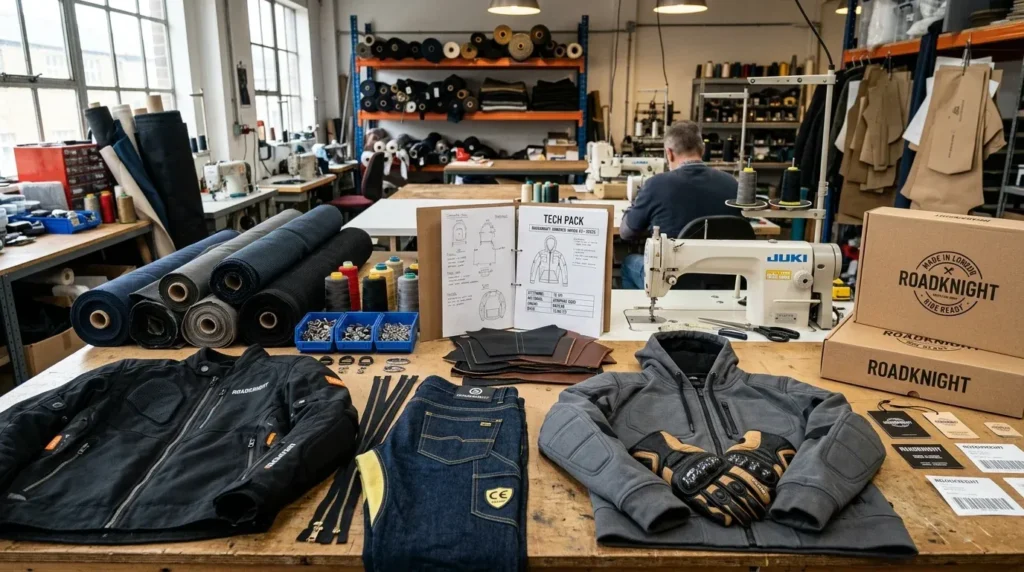
Custom Motorcycle Gear Manufacturing Guide for Brands, Clubs & Distributors
Custom motorcycle gear manufacturing is a serious product category because rider gear is not only about style. It sits between comfort, identity, weather protection, abrasion resistance, movement, and buyer trust. A motorcycle jacket may look strong in photos, but if the stitching fails, the panels restrict movement, or the fabric overheats the rider, the product will not survive real use. The same applies to riding pants, Kevlar jeans, gloves, hoodies, vests, touring apparel, club merchandise, and branded motorcycle lifestyle products.
This guide is written for motorcycle apparel brands, riding clubs, wholesalers, distributors, retailers, tour companies, merch businesses, and private label startups that want to understand how motorcycle gear manufacturing works before placing bulk orders. It explains product planning, materials, reinforcement zones, sampling, sizing, branding, packaging, quality control, and B2B sourcing.
GHC Sportswear® supports custom motorcycle gear production for buyers that need reliable manufacturing across protective riding apparel, lifestyle gear, branded clubwear, and wholesale product ranges. Buyers who want to understand the wider company can begin from the GHC Sportswear® homepage.
Custom Motorcycle Gear Manufacturing: What It Includes
Custom motorcycle gear manufacturing covers a wide product range. Some products are built for protection and touring use, while others are built for motorcycle lifestyle, club identity, retail merchandise, or brand collections. A strong manufacturer must understand the difference because a casual biker hoodie and a technical riding jacket do not follow the same production logic.
Common motorcycle gear categories include:
- Motorcycle jackets
- Kevlar hoodies
- Kevlar jeans
- Riding pants
- Touring jackets
- Motorcycle shirts
- Riding vests
- Club jackets
- Motorcycle gloves
- Protective base layers
- Softshell riding apparel
- Motorcycle rain gear
- Padded riding apparel
- Branded motorcycle merchandise
- Private label motorcycle apparel
The goal is not only to make gear that looks “biker.” The goal is to develop products that match the rider’s use case. Adventure riders need weather management and storage. Club riders need identity and durable outerwear. Urban riders often prefer products that look casual but still offer stronger materials. Retailers need products that are consistent, easy to size, and suitable for repeat orders.
Why Motorcycle Gear Needs a Controlled Manufacturing Process
Motorcycle gear is more demanding than ordinary apparel. It must handle wind, heat, rain, movement, abrasion risk, repeated riding posture, and regular wear. When gear fails, the buyer does not simply complain about style. They question the product’s reliability.
The Motorcycle Safety Foundation explains in its personal protective gear guide that rider gear serves two basic purposes: comfort and protection. That is a useful manufacturing principle. If a product is protective but uncomfortable, riders may stop using it. If it is comfortable but poorly built, it will not meet buyer expectations.
A controlled manufacturing process prevents common problems such as:
- weak seams
- poor fit in riding position
- inconsistent panel construction
- fabric overheating
- low-quality zippers
- uneven branding placement
- poor reinforcement planning
- size variation between batches
- late production revisions
- weak packaging for wholesale delivery
For B2B buyers, these issues become expensive because one bad product can affect dozens, hundreds, or thousands of units.
Motorcycle Gear Product Planning
Product planning is the first stage of custom motorcycle gear manufacturing. Before sampling begins, the buyer should clearly define the product type, target rider, climate, style, function, branding, and order quantity.
A good product plan should answer:
- Is the product for touring, city riding, clubs, or lifestyle wear?
- Is it designed for hot weather, cold weather, rain, or mixed use?
- Does it need reinforced panels?
- What level of stretch and mobility is required?
- What type of closure system is needed?
- Where will logos, labels, and patches be placed?
- Will the product be sold retail, wholesale, or as club merchandise?
- Does the buyer need private label branding?
- What size range is required?
- Will the product be reordered later?
Brands often make the mistake of starting with a reference photo only. That is not enough. A reference photo can show style, but it cannot define fabric performance, seam strength, fit, lining, trims, reinforcement, or packaging. A proper product plan prevents confusion before the factory makes the first sample.
Core Motorcycle Gear Manufacturing Process
A professional production process helps buyers move from idea to finished product without guessing. The process may vary by product, but most motorcycle gear follows a similar structure.
| Stage | Purpose | Why It Matters |
|---|---|---|
| Product planning | Define rider use, design, and target buyer | Prevents vague development |
| Material sourcing | Select outer fabric, reinforcements, lining, trims, and hardware | Controls comfort and durability |
| Tech pack development | Document measurements and construction | Reduces factory confusion |
| Sampling | Build the first product version | Finds fit and construction problems early |
| Fit review | Test comfort in riding posture | Prevents restrictive gear |
| Branding approval | Confirm logos, labels, patches, and packaging | Protects brand identity |
| Bulk production | Manufacture approved design at scale | Delivers repeatable output |
| Quality control | Check stitching, sizing, hardware, and finishing | Reduces returns |
| Packing and fulfillment | Prepare goods for shipment or retail | Protects product and customer experience |
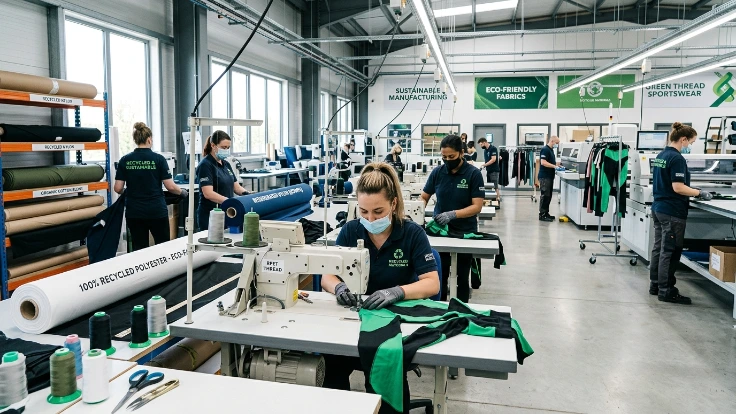
This process matters because motorcycle gear is often more complex than basic apparel. Jackets may include multiple panels, linings, pockets, zippers, ventilation zones, stretch panels, reflective details, and branded trims. Pants and jeans may require reinforcement zones, comfortable waistbands, and accurate inseam grading.
Materials Used in Motorcycle Gear
Material selection is one of the most important decisions in motorcycle gear manufacturing. Different products require different materials. A summer mesh jacket, Kevlar hoodie, touring jacket, and club vest cannot use the same material strategy.
Common material categories include:
- Leather
- Cordura-style woven fabrics
- Polyester blends
- Nylon blends
- Kevlar or aramid reinforcement fabrics
- Denim with reinforcement panels
- Mesh fabrics
- Softshell fabrics
- Waterproof membranes
- Thermal linings
- Fleece linings
- Stretch panels
- Reflective trims
- Heavy-duty zippers
- Snap buttons and metal hardware
The European Union’s PPE Regulation (EU) 2016/425 sets requirements for the design and manufacture of personal protective equipment placed on the EU market. This matters for brands selling protective motorcycle apparel into regulated markets because materials, testing, and product claims must be handled carefully.
Not every motorcycle lifestyle product is sold as certified PPE, but buyers must be honest about product purpose. If a product is protective riding gear, its material and construction expectations are different from casual fashion merchandise.
Material Selection by Product Type
| Product Type | Common Material Direction | Main Priority |
|---|---|---|
| Motorcycle jacket | Leather, nylon, polyester, softshell, reinforced textiles | Durability, fit, weather comfort |
| Kevlar hoodie | Cotton blend or fleece with aramid reinforcement zones | Casual look with stronger construction |
| Kevlar jeans | Denim with aramid or reinforcement panels | Abrasion resistance and daily wear comfort |
| Riding pants | Textile shell, stretch panels, lining | Movement and weather control |
| Motorcycle vest | Leather, denim, or textile | Club identity and durability |
| Touring apparel | Waterproof textiles, vents, linings | Long-distance comfort |
| Motorcycle shirt | Reinforced flannel or woven fabrics | Casual style with rider functionality |
| Gloves | Leather, textile, stretch, reinforced palm zones | Grip and hand comfort |
A serious buyer should choose materials based on rider use, not only appearance. A hot-weather rider needs airflow. A touring rider needs weather protection. A motorcycle club may need durable clubwear that carries patches and embroidery. A retail brand may need a balanced product that looks good, feels comfortable, and supports margin.
Protective Zones and Reinforcement Planning
Motorcycle gear needs reinforcement planning. Some areas face more stress because of riding posture, movement, wind, and potential abrasion. Even when a product is not certified protective gear, buyers often want stronger construction in key zones.
Common reinforcement zones include:
- Shoulders
- Elbows
- Back panels
- Seat area
- Knees
- Hips
- Palm areas on gloves
- Outer thighs
- Zipper stress areas
- Pocket corners
Reinforcement should be planned during product development, not added casually at the end. If reinforcement is too stiff, the product becomes uncomfortable. If it is too weak, it does not support the product’s purpose. If it is placed incorrectly, it may not help where the rider actually needs it.
Fit: Why Riding Position Changes Everything
Motorcycle apparel cannot be fitted like normal streetwear. Riders sit with bent knees, forward arms, curved backs, and constant movement. A jacket that feels perfect while standing can pull at the shoulders when the rider reaches the handlebars. Pants that fit well while walking can become tight at the knees on the bike.
Important fit checks include:
- Sleeve length in riding posture
- Shoulder mobility
- Back length when leaning forward
- Waist comfort while seated
- Knee movement in riding position
- Crotch comfort for pants and jeans
- Glove grip shape
- Neck comfort with helmet position
- Jacket overlap with pants
- Vent and pocket accessibility while seated
NHTSA advises riders to wear proper protective equipment and to look for DOT-compliant helmets for brain protection on its motorcycle safety page. For apparel manufacturers, the lesson is simple: motorcycle gear must be developed around real riding use, not only standing fit.
Motorcycle Jackets: The Core Product Category
Motorcycle jackets are usually the main product category for brands and clubs. They can be made in leather, textile, softshell, denim, mesh, or hybrid materials. The right jacket depends on climate, rider style, and market position.
A custom motorcycle jacket should consider:
- Outer shell material
- Lining type
- Ventilation
- Pocket placement
- Zipper strength
- Shoulder and elbow construction
- Back panel comfort
- Collar shape
- Sleeve adjustment
- Branding placement
- Patch or embroidery options
For club riders, jacket identity matters. For touring riders, comfort and storage matter. For private label brands, consistent fit and finish matter. For distributors, repeatability matters.
A strong motorcycle jacket should not feel like a costume. It should feel like a product made for riders.
Kevlar Hoodies and Riding Shirts
Kevlar hoodies and reinforced riding shirts are popular because many riders want gear that looks casual but feels stronger than ordinary clothing. These products are especially useful for urban riders, club merchandise, and lifestyle brands.
A Kevlar hoodie may include:
- Reinforced panels
- Heavyweight fleece or cotton blend
- Durable stitching
- Comfortable hood shape
- Strong cuffs and hem
- Branded drawcords
- Logo embroidery or patches
- Optional lining or pocket systems
A reinforced riding shirt may include:
- Strong woven outer fabric
- Shoulder and elbow reinforcement
- Snap buttons
- Chest pockets
- Breathable lining
- Casual rider styling
The challenge is balance. If the product becomes too heavy, riders may not wear it. If it is too light, it may not meet buyer expectations. Sampling is important because fabric weight, fit, and reinforcement feel must be tested before bulk production.
Kevlar Jeans and Riding Pants
Motorcycle jeans and riding pants are difficult products because they must look wearable while supporting rider movement. Regular jeans are not designed for motorcycle use. Motorcycle jeans may require reinforcement zones, stronger stitching, stretch, and a fit that works while seated.
Key production points include:
- Denim weight
- Reinforcement panels
- Knee shaping
- Seat comfort
- Waistband strength
- Pocket placement
- Inseam grading
- Stitching strength
- Wash finish
- Brand labels and patches
Riding pants may use textile shells instead of denim and may include waterproofing, ventilation, reflective trims, adjustable hems, and multiple pockets. Touring pants need different planning from casual rider jeans.
Motorcycle Gloves and Accessories
Gloves are a smaller product category, but they are important because riders rely heavily on hand comfort and grip. Motorcycle glove manufacturing requires careful patterning because hands move constantly.
Glove design should consider:
- Palm grip
- Finger mobility
- Seam placement
- Wrist closure
- Knuckle comfort
- Material flexibility
- Breathability
- Touchscreen compatibility if required
- Lining comfort
Poor gloves are easy to notice. If the seams rub, fingers are too short, grip is weak, or closure fails, the buyer loses trust quickly.
Branding and Club Identity
Motorcycle gear has a strong identity culture. Riders often use apparel to show club affiliation, travel history, lifestyle, or brand loyalty. This makes branding important.
Branding methods may include:
- Embroidery
- Leather patches
- Woven labels
- Rubber patches
- Screen printing
- Heat transfer
- Debossed logos
- Metal badges
- Custom zipper pulls
- Branded lining
- Hang tags and packaging
Motorcycle clubs may need large back patches, chest logos, sleeve details, and consistent member gear. Retail brands may need subtle branding. Tour companies may need branded jerseys, jackets, or travel apparel. Distributors may need private label products that can be sold under their own brand.
Branding should be decided during sampling. Last-minute logo changes create delays and mistakes.
Private Label Motorcycle Gear Manufacturing
Private label motorcycle gear manufacturing allows a buyer to sell rider gear under their own brand without owning a factory. This is useful for motorcycle clubs, riding tour companies, retailers, influencers, online stores, and distributors.
Private label buyers usually need:
- Custom labels
- Branded packaging
- Custom colorways
- Logo placement
- Size charts
- Product photography planning
- Repeat production
- Consistent quality control
- Scalable order quantities
The private label model works best when the buyer has a clear audience. A cafe racer brand, adventure touring brand, cruiser club, and urban rider brand should not all sell the same product range. The product must match the customer.
Motorcycle Gear for Clubs
Motorcycle clubs need gear that represents identity. Club apparel may include vests, jackets, hoodies, riding shirts, caps, gloves, and merchandise. The products must be durable enough for use and consistent enough for member orders.
Club gear priorities include:
- Patch compatibility
- Strong outer material
- Consistent color
- Easy reorders
- Member size range
- Embroidery quality
- Durable closures
- Comfortable fit
A club may start with vests or jackets and later add hoodies, shirts, gloves, or casual merchandise. A manufacturer that can handle multiple product types helps the club keep branding consistent.
Motorcycle Gear for Tour Companies and Riding Businesses
Motorcycle tour companies need gear that supports both function and presentation. Riders on organized tours often want branded apparel, weather-appropriate gear, and comfortable products for long days.
Tour businesses may need:
- Branded riding jerseys
- Softshell jackets
- Hoodies
- Rain layers
- Travel shirts
- Club-style merchandise
- Staff uniforms
- Customer giveaway apparel
For tour companies, apparel becomes part of the experience. A branded jacket or jersey helps create group identity and gives customers something memorable to take home.
Motorcycle Gear for Wholesalers and Distributors
Wholesalers and distributors need repeatable products. Their customers expect the same fit, material, color, packaging, and branding across batches. A distributor cannot afford a jacket line that changes every order.
Wholesale buyers should check:
- Can the product be repeated?
- Are materials stable?
- Is the size chart consistent?
- Are labels and packaging controlled?
- Are carton markings clear?
- Is quality control documented?
- Can multiple product types be produced?
- Can the supplier handle scale?
GHC Sportswear® provides a dedicated custom wholesale motorbike gear manufacturer page for buyers looking for motorcycle apparel production support.
Sampling and Tech Packs for Motorcycle Gear
Sampling is essential because motorcycle gear has many details. A sample lets the buyer test fit, comfort, material, branding, lining, stitching, zippers, and overall product feel before approving bulk production.
A motorcycle gear tech pack should include:
- Product drawings
- Measurements
- Size grading
- Fabric details
- Reinforcement locations
- Lining details
- Zipper and hardware specs
- Stitching instructions
- Branding placement
- Label details
- Packaging instructions
- Color references
- Fit notes
- Quality checkpoints
For riding jackets, the tech pack should include panel design, pocket placement, vent placement, sleeve length, and lining structure. For Kevlar jeans, it should include reinforcement zones, denim weight, inseam grading, and wash finish. For gloves, it should include palm material, finger length, closure type, and grip areas.
A clear tech pack protects both buyer and manufacturer.
Quality Control in Motorcycle Gear Production
Quality control is critical in motorcycle gear because the products are exposed to movement, weather, and rider expectations. A strong quality control process should check the product before, during, and after production.
Quality control checks include:
- Material inspection
- Cutting accuracy
- Stitching quality
- Reinforcement placement
- Zipper strength
- Button and snap function
- Lining attachment
- Logo placement
- Size measurements
- Color consistency
- Packaging inspection
- Final product review
If a jacket has uneven sleeves, weak zippers, or misplaced logos, it damages the brand. If Kevlar jeans lose shape or have uncomfortable seams, customers will not reorder. Quality control reduces these risks.
Motorcycle Gear Packaging and Fulfillment
Packaging protects the product and supports brand experience. It also helps wholesalers, distributors, clubs, and retailers manage inventory.
Good packaging should include:
- Product protection
- Size labeling
- SKU or barcode if required
- Brand tags
- Clean folding
- Moisture protection where needed
- Carton organization
- Retail-ready presentation when required
For clubs, packaging may be grouped by member sizes. For distributors, it may be packed by SKU and color. For retailers, packaging must look professional enough for resale.
Buyers can review wider production and support capabilities on the GHC Sportswear® services page.
Cost Factors in Custom Motorcycle Gear Manufacturing
Motorcycle gear cost depends on several factors. Buyers should not compare quotes only by unit price.
| Cost Factor | Why It Matters |
|---|---|
| Outer material | Leather, textile, softshell, denim, and mesh vary in cost |
| Reinforcement | Aramid or extra panels add material and labor |
| Lining | Thermal, mesh, or waterproof lining changes complexity |
| Hardware | Heavy-duty zippers, snaps, and buckles affect price |
| Branding | Embroidery, patches, labels, and packaging add steps |
| Product complexity | More panels and pockets increase labor |
| Sampling | Multiple revisions increase development cost |
| Quantity | Larger orders usually reduce unit price |
| Packaging | Retail-ready packing costs more than bulk packing |
The cheapest option is not always the best option. Low-cost gear may create higher costs through returns, complaints, and damaged trust. B2B buyers should compare long-term value, not only first order cost.
Standards, Claims, and Buyer Responsibility
Motorcycle gear buyers must be careful with product claims. Words such as protective, abrasion-resistant, CE-approved, armored, racing-grade, or safety-certified should not be used casually. If a product is sold as personal protective equipment in a regulated market, the buyer must understand the rules, testing expectations, documentation, and labeling requirements.
This is especially important for brands selling into Europe, where PPE rules are connected to product safety and market access. The EU framework does not allow sellers to make safety claims without responsibility. A product that is positioned as protective riding gear needs stronger planning than a lifestyle hoodie.
For B2B buyers, this means the first question is not only “Can you make this design?” The better question is “What exactly is this product being sold as?” A casual motorcycle lifestyle garment, a club hoodie, and a protective riding jacket may look similar to a customer, but they are not the same from a manufacturing and compliance perspective.
Buyers should define:
- Whether the product is lifestyle apparel or riding gear
- Whether protective claims will be made
- Whether armor pockets are required
- Whether specific standards or testing are needed
- Which market the product will be sold in
- What labels, warnings, or documentation are required
- Whether the product will be used for road riding, touring, racing, or casual wear
A manufacturer can help develop the product, but the brand must also understand the legal and marketing responsibility connected to its claims. Clear positioning protects both the buyer and the end customer.
Climate-Based Motorcycle Gear Planning
Motorcycle gear should be planned around climate because riders in different regions need different products. A jacket that works well in cold mountain weather may be unbearable in hot urban traffic. A mesh jacket that feels perfect in summer may be useless in heavy rain. A touring brand selling internationally may need several versions of the same product concept.
Hot-weather motorcycle gear usually needs airflow, lightweight construction, breathable lining, sweat management, and comfort during slow traffic. Cold-weather gear needs insulation, wind resistance, secure closures, and layering space. Rain-focused gear needs water-resistant or waterproof materials, sealed areas, storm flaps, and quick-drying construction. Adventure gear needs a balance of ventilation, storage, durability, and weather adaptability.
| Climate or Use Case | Product Priority | Common Gear Direction |
|---|---|---|
| Hot urban riding | Airflow and comfort | Mesh jackets, lightweight shirts, breathable gloves |
| Cold riding | Warmth and wind control | Thermal jackets, lined pants, softshell layers |
| Rain and touring | Water management | Waterproof shells, storm flaps, sealed pockets |
| Adventure riding | Versatility | Ventilated textile jackets, reinforced pants, storage pockets |
| Club riding | Identity and durability | Vests, jackets, hoodies, patches, embroidery |
| Lifestyle retail | Wearability | Casual hoodies, jeans, shirts, clean branding |
This is why a one-product approach does not work for serious motorcycle brands. A buyer should know the rider, the region, and the use case before finalizing materials.
Building a Motorcycle Gear Product Range
A motorcycle gear brand should not launch random products. It should build a range that makes sense for its customer. The first collection should be focused enough to control quality and broad enough to create a real brand identity.
A club-focused range may begin with vests, hoodies, shirts, and jackets. An urban rider brand may start with Kevlar hoodies, riding jeans, and casual reinforced shirts. A touring brand may launch textile jackets, riding pants, rain gear, and travel shirts. A distributor may need a practical wholesale range with jackets, gloves, pants, and accessories.
| Buyer Type | Best Starting Products | Why It Works |
|---|---|---|
| Motorcycle club | Vests, hoodies, jackets, patches | Strong identity and repeat member demand |
| Urban rider brand | Kevlar hoodies, jeans, shirts | Combines casual style with rider function |
| Touring company | Jerseys, jackets, rain layers, travel apparel | Supports group identity and trip comfort |
| Retailer | Jackets, jeans, gloves, hoodies | Covers common rider purchases |
| Distributor | Core jackets, pants, vests, gloves | Scalable wholesale range |
| Merchandise brand | Hoodies, T-shirts, caps, clubwear | Easy entry into motorcycle lifestyle market |
Product range planning helps reduce waste. Instead of making ten weak products, a brand can launch three strong products, test the market, then expand with better data.
Motorcycle Gear for Events, Clubs, and Merchandise
Motorcycle culture is strongly connected to events, road trips, clubs, cafes, rallies, and group identity. This creates strong demand for branded gear that is not only functional but also emotional. Riders often buy apparel because it represents where they ride, who they ride with, or what community they belong to.
Event merchandise may include T-shirts, hoodies, patches, lightweight jackets, caps, and riding jerseys. Club merchandise may include vests, jackets, embroidered hoodies, and member apparel. Touring companies may sell branded gear before or after trips. Motorcycle cafes may create lifestyle apparel that riders wear casually.
For B2B buyers, this is an opportunity. Not every motorcycle product has to be technical protective gear. Some products are made for community, branding, and lifestyle. The key is to describe them honestly and manufacture them well.
A strong motorcycle merchandise line should have:
- Clear brand identity
- Durable prints or embroidery
- Comfortable everyday fit
- Consistent sizing
- Easy reorder system
- Packaging suitable for retail or events
- Product names and labels that match the brand
Merchandise can become a revenue stream for clubs, tours, events, and motorcycle lifestyle brands when it is planned properly.
Cross-Category Opportunities for Motorcycle Brands
Many motorcycle brands do not sell gear only. They may also sell casual apparel, sportswear-inspired products, gym wear, club uniforms, event merchandise, and lifestyle collections. A rider brand can become a full lifestyle brand if the product system is planned well.
For example:
- A motorcycle club may need vests, hoodies, jerseys, caps, and event shirts.
- A touring company may need rider jerseys, jackets, rain layers, and branded travel apparel.
- A distributor may sell motorcycle gear, activewear, and teamwear.
- A private label startup may launch Kevlar hoodies first, then expand into jackets and jeans.
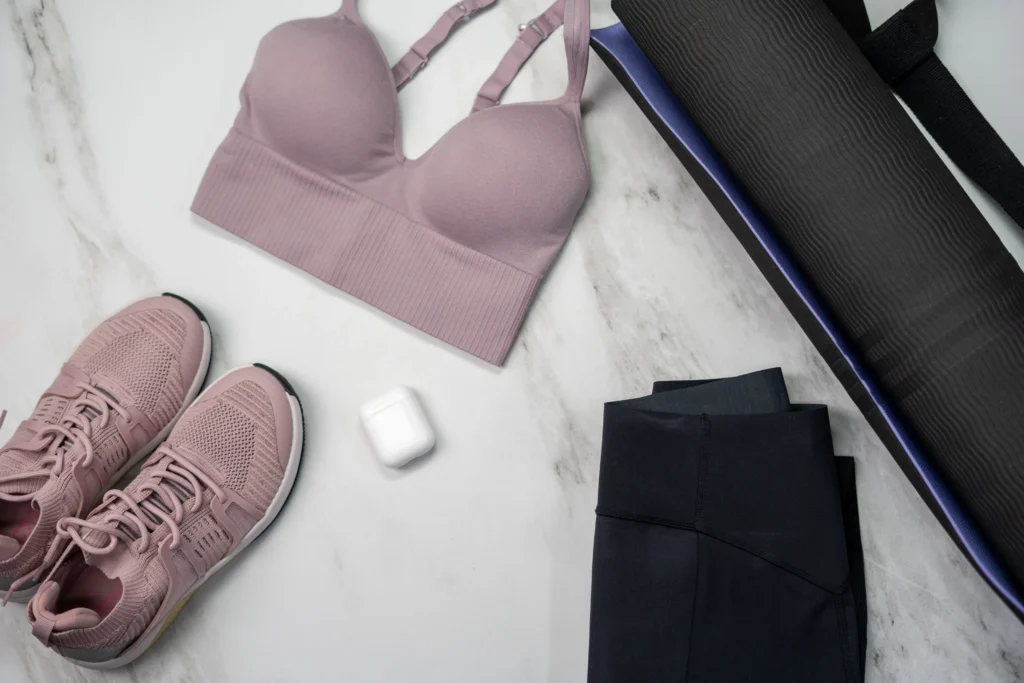
GHC Sportswear® supports multiple categories, including custom wholesale sports uniforms, women’s sportswear, men’s sportswear, and women’s yoga wear.
Motorcycle Gear and Equestrian Gear: Why Cross-Category Manufacturing Matters
At first, motorcycle gear and equestrian gear look unrelated. But from a manufacturing view, both require durable materials, movement-focused fit, reinforced construction, strong stitching, reliable hardware, and controlled sizing.
A distributor that handles multiple performance categories may source motorcycle gear, equestrian gear, and sportswear from one manufacturing partner to reduce supplier complexity. GHC Sportswear® also supports custom wholesale equestrian gear manufacturing, and buyers working in horse-related gear can also use the Complete Horse Tack Guide for product education.
Cross-category manufacturing helps buyers build a wider product range without losing consistency.
Common Mistakes in Motorcycle Gear Manufacturing
Common mistakes include:
- Starting with style only
- Ignoring riding posture
- Choosing weak zippers
- Using poor lining
- Placing logos in uncomfortable areas
- Skipping samples
- Ignoring reinforcement zones
- Choosing material only by price
- Not testing fit in seated position
- Not planning packaging
- Not saving production records for reorders
These mistakes are avoidable. A controlled development process prevents most of them before bulk production begins.
Choosing a Motorcycle Gear Manufacturer
A good motorcycle gear manufacturer should understand product function, materials, fit, branding, and repeat production. It should also communicate clearly because motorcycle gear has many details that must be approved before bulk production.
Before choosing a manufacturer, ask:
- Can samples be developed before bulk?
- Can materials be sourced consistently?
- Can branding be customized?
- Can sizing be repeated?
- Can the same product be reordered later?
- What quality checks are used?
- Can packaging be customized?
- Can the manufacturer produce multiple categories?
- What is the production timeline?
- How are changes handled?
Buyers can learn more about GHC Sportswear® through the about us page, which explains the company background and manufacturing focus.
Custom Motorcycle Gear Manufacturing Checklist
| Step | What to Prepare |
|---|---|
| Product concept | Jacket, hoodie, jeans, vest, gloves, or touring gear |
| Rider profile | Urban, touring, club, adventure, retail, or lifestyle |
| Material choice | Leather, textile, denim, mesh, softshell, reinforcement |
| Fit standard | Riding posture, size range, comfort zones |
| Branding | Logo, label, patch, embroidery, packaging |
| Sampling | Prototype, revised sample, approved sample |
| Production | Quantity, colors, sizes, timeline |
| Quality control | Stitching, hardware, measurements, finish |
| Packaging | Retail, wholesale, club, or distributor packing |
| Reorder plan | Specs, artwork, fabric records, sizing records |
This checklist should be used before every custom motorcycle gear order.
Website Cluster Strategy for Motorcycle Gear Content
This pillar should become the central page for motorcycle gear manufacturing content. Supporting articles should link back here whenever they discuss motorcycle jackets, Kevlar jeans, Kevlar hoodies, riding gear materials, motorcycle club apparel, or private label rider gear.
Future supporting articles can include:
- Kevlar vs Regular Riding Jeans
- Best Motorcycle Jackets for Hot Weather
- Why Motorcycle Clubs Invest in Custom Merchandise
- What Adventure Riders Look for in Riding Gear
- Motorcycle Touring Apparel Checklist
- How to Start a Motorcycle Apparel Brand
- Best Fabrics for Motorcycle Riding Gear
- Custom Motorcycle Jerseys for Group Tours
- Motorcycle Club Vest Manufacturing Guide
- Waterproof Motorcycle Gear for Long-Distance Riders
Each supporting article should link to this pillar, one related article, and the most relevant commercial product page. This builds a clean internal linking structure and helps readers move from education to buying decisions.
Need a Reliable Custom Motorcycle Gear Manufacturer?
GHC Sportswear® supports motorcycle apparel brands, riding clubs, wholesalers, distributors, tour companies, retailers, private label startups, and merchandise businesses that need custom motorcycle gear manufacturing.
We support:
- Custom motorcycle jackets
- Kevlar hoodies
- Kevlar jeans
- Riding pants
- Motorcycle shirts
- Riding vests
- Club apparel
- Branded motorcycle merchandise
- Private label motorcycle gear
- Bulk motorcycle apparel production
- Printing, embroidery, patches, and packaging
- Cross-category manufacturing for sportswear, uniforms, yoga wear, and equestrian gear
If you are launching a motorcycle apparel brand, supplying riding clubs, building a merch line, or sourcing wholesale motorcycle gear, GHC Sportswear® can support your production with B2B-focused manufacturing.
To discuss custom motorcycle gear, wholesale production, or private label manufacturing, contact GHC Sportswear® here: Contact GHC Sportswear®.
WhatsApp: https://wa.me/ghcsportswear
Email: info@ghcsportswar.com
Final Thoughts
Custom motorcycle gear manufacturing requires more than a good-looking design. It requires rider-focused fit, durable materials, reinforcement planning, careful sampling, quality stitching, reliable hardware, branding control, packaging, and repeatable production.
For brands, clubs, wholesalers, distributors, tour companies, and private label startups, the strongest motorcycle gear is built through a clear system. Product planning comes first. Sampling protects the order. Materials define performance. Fit decides comfort. Quality control protects the brand. Packaging completes the buyer experience.
This guide should act as the main motorcycle gear manufacturing pillar. Future articles about Kevlar hoodies, Kevlar jeans, motorcycle jackets, riding pants, motorcycle club merchandise, adventure rider gear, touring apparel, and motorcycle gear sourcing should link back here so the full motorcycle gear cluster becomes stronger over time.