How to Start a Private Label Clothing Brand in 2026: Step-by-Step Guide
Starting a private label clothing brand in 2026 requires much more than choosing a logo, ordering garments and opening an online store.
A serious apparel business needs a defined customer, product strategy, realistic pricing, reliable manufacturing, approved samples, compliant labeling, quality control, inventory planning and a repeatable system for restocking successful products.
The manufacturing side is especially important because customers judge the brand through the physical garment. Marketing may generate the first order, but fit, fabric, construction, sizing and durability determine whether customers return.
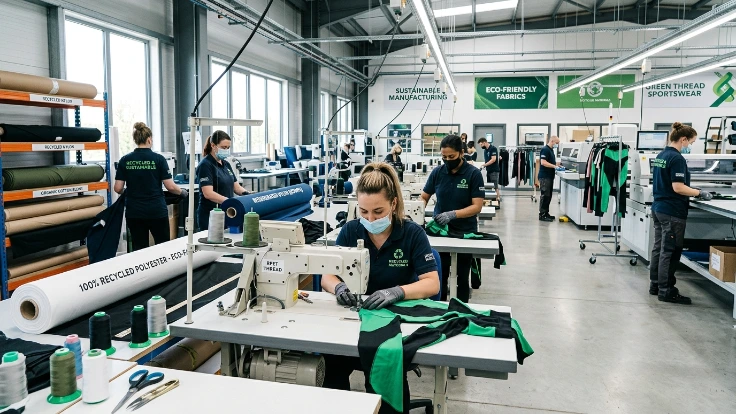
Private label manufacturing allows a brand to sell apparel under its own identity without owning a factory. Depending on the production model, the buyer can control fabric, patterns, colors, logos, labels, packaging, sizing and product specifications while an apparel manufacturer handles technical development and production.
For a complete explanation of how that production model works, read the Private Label Apparel Manufacturing Guide.
This guide focuses on the business question that comes before manufacturing:
How do you actually build and launch a private label clothing brand from the beginning?
Direct Answer: How Do You Start a Private Label Clothing Brand?
To start a private label clothing brand, first define the target customer and product niche. Research competitors and expected retail pricing, select a focused first collection, establish the business and brand identity, prepare product specifications, choose a suitable manufacturer, develop and approve samples, calculate landed costs and margins, finalize labels and packaging, manufacture the first controlled production run, inspect the goods, launch them and use sales data to determine reorders.
The process can be summarized as:
Market → Customer → Product → Brand → Specification → Manufacturer → Sample → Costing → Production → QC → Launch → Reorder
The order matters.
Many failed apparel projects begin with production before the brand has clearly defined who the product is for or why customers should buy it.
The 2026 Clothing Market Is Not an Easy Environment
New clothing brands should enter the market with realistic expectations.
The fashion industry in 2026 is dealing with higher sourcing costs, trade disruption, cautious consumers and pressure on operating margins.
McKinsey’s State of Fashion 2026 reports that 76% of fashion executives expect trade disruptions and rising duties to affect the industry in 2026. McKinsey also reports consumers becoming increasingly value-conscious, with 70% saying they plan to spend less and 80% showing value-seeking behavior.
That does not mean a startup should avoid entering apparel.
It means the old strategy of launching a large collection, adding a logo and hoping customers discover it is increasingly weak.
A new private label brand needs:
- a clearly defined customer
- controlled inventory
- differentiated products
- disciplined costing
- reliable manufacturing
- strong perceived value
- fast feedback from the first launch
Operational efficiency is becoming part of brand strategy, not just a factory issue.
Step 1: Define Exactly Who the Brand Is For
Do not start by asking:
“What clothes should I sell?”
Start with:
“Who am I building this brand for?”
A brand designed for competitive runners will make different product decisions from one targeting casual gym users.
A premium equestrian brand will differ from a low-price stable-wear business.
A motorcycle lifestyle brand will differ from a technical protective apparel brand.
Your customer definition should include:
- age range
- gender or unisex positioning
- activity or lifestyle
- geographic market
- expected price level
- purchasing frequency
- fit preferences
- aesthetic preferences
- performance requirements
- competing brands they already buy
The more precisely the customer is defined, the easier product development becomes.
Step 2: Choose a Niche Before Building a Collection
“Clothing” is not a niche.
Neither is “sportswear.”
More useful positioning could be:
Women’s strength-training apparel
Premium riding apparel for amateur equestrians
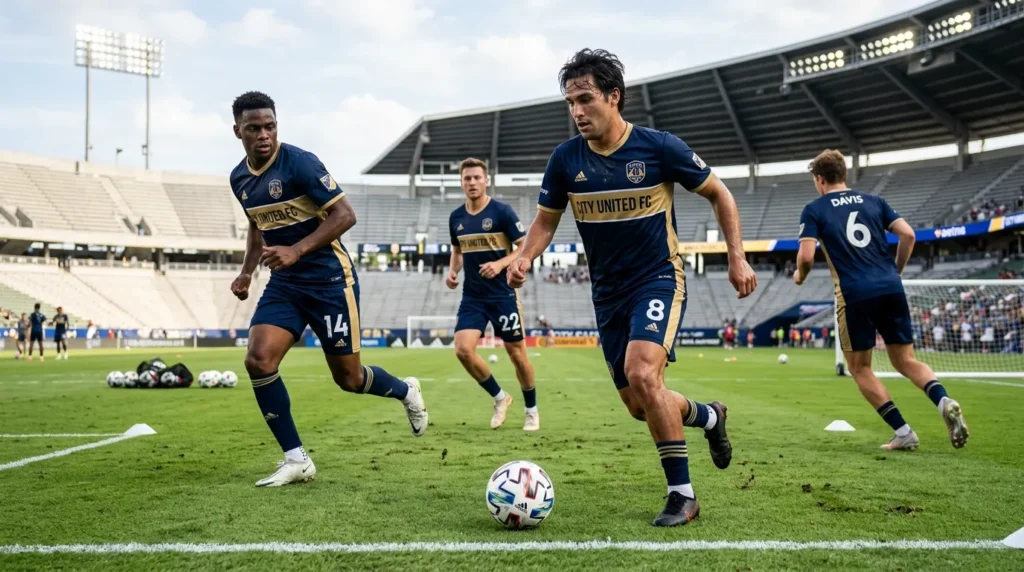
Football academy teamwear
Heavyweight streetwear for gym communities
Technical motorcycle base layers
Modest performance activewear
Plus-size training apparel
The purpose of the niche is not to trap the company forever.
It gives the first collection a clear reason to exist.
A startup can expand later.
Trying to manufacture hoodies, jeans, leggings, jerseys, jackets, caps, equestrian wear and motorcycle clothing simultaneously normally creates unnecessary complexity.
Step 3: Conduct Competitive Research
Competitive research should happen before product development.
Identify approximately 5–10 relevant brands operating in the same customer segment.
Study:
- product categories
- retail prices
- color strategy
- size ranges
- fabrics
- fit
- product reviews
- branding
- packaging
- shipping policies
- complaints
- bestselling products
- product gaps
Do not copy competitors.
Look for patterns.
For example, if reviews repeatedly complain that leggings roll at the waistband or riding breeches have weak phone pockets, those complaints contain product-development information.
The U.S. Small Business Administration places market research and competitive analysis among the fundamental early stages of starting a business. Its startup framework also recommends planning startup costs, funding, business structure and registration before launch.
Use research to reduce guessing.
Step 4: Decide What Makes Your Brand Different
A clothing brand needs more differentiation than a different logo.
Possible sources of differentiation include:
- fit
- fabric
- specialized sizing
- technical features
- durability
- color palette
- product coordination
- niche specialization
- packaging
- customer service
- price positioning
- sustainability documentation
- customization
- community
For example:
A gymwear startup could specialize in heavyweight oversized training clothing.
An equestrian brand might focus on coordinated saddle-pad, bonnet and rider-apparel collections.
A running brand might emphasize lightweight, highly breathable garments.
A teamwear company might compete on rapid repeat-order systems and consistent club designs.
The differentiation should influence the product itself.
Step 5: Build a Focused First Collection
One of the biggest startup mistakes is launching too many SKUs.
Every additional product creates more:
- samples
- sizes
- colors
- labels
- packaging
- inventory
- photography
- product pages
- quality checks
- marketing work
A practical GHC Sportswear® startup framework is often to begin with approximately 3–5 coordinated core products, where commercially appropriate.
This is not an industry rule.
It is a risk-control approach.
Example Gymwear Collection
- oversized T-shirt
- training shorts
- hoodie
- joggers
Example Women’s Activewear Collection
- leggings
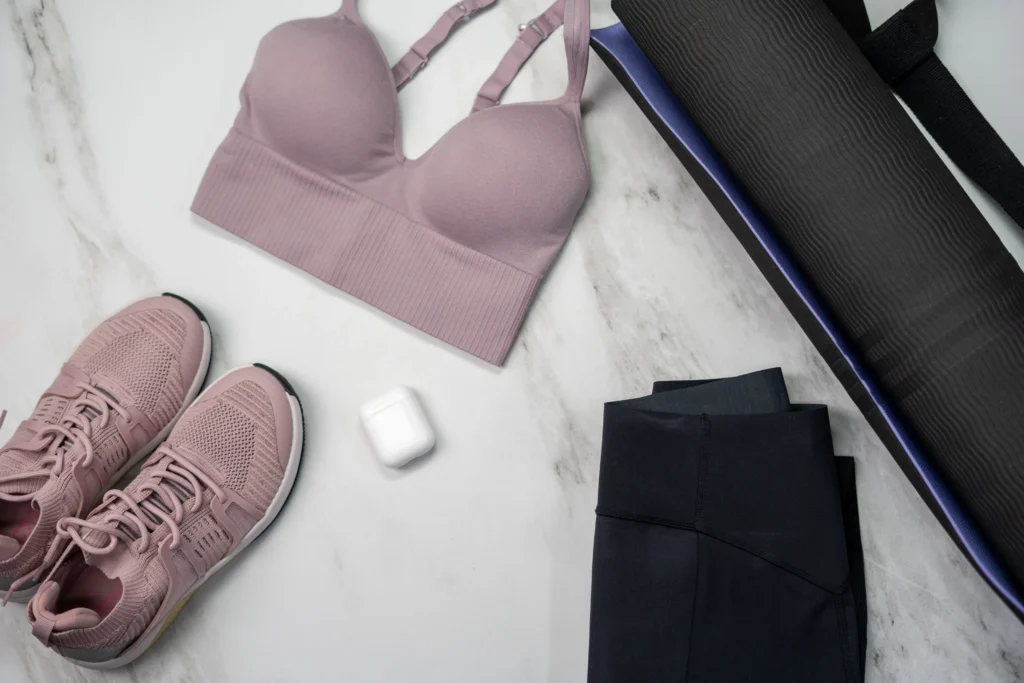
- sports bra
- training top
- shorts
Example Equestrian Collection
- riding breeches
- base layer
- competition shirt
- stable jacket
The products should make sense together.
A focused collection is easier for customers to understand and easier for the brand to manufacture correctly.
Step 6: Define Your Target Retail Price Before Manufacturing
Do not develop the garment first and ask what it costs afterward.
Start with the commercial model.
Suppose your target retail price is £60.
You cannot simply tell the manufacturer:
“Make this as cheaply as possible.”
You need to determine whether the final landed product cost leaves enough margin to cover:
- manufacturing
- packaging
- freight
- import duty
- payment processing
- warehousing
- fulfillment
- returns
- marketing
- discounts
- overhead
- profit
This is why manufacturers need realistic budget information.
A £20 target retail T-shirt and an £80 premium technical T-shirt should not be developed with the same materials and construction.
Step 7: Understand COGS and Landed Cost
Founders often confuse manufacturing price with total product cost.
Manufacturing Cost
What the manufacturer charges for the finished goods according to the agreed terms.
Landed Cost
The amount required to bring the finished product to the point where the business can actually sell it.
A simplified calculation is:
Manufacturing + packaging + freight + duties/taxes where applicable + logistics costs = landed cost
Example:
| Expense | Example |
|---|---|
| Garment | £14.00 |
| Packaging | £0.75 |
| Freight allocation | £2.00 |
| Duty/other import cost | £1.25 |
| Landed cost | £18.00 |
The figures are only an illustration.
Actual costs depend on country, product, shipping route, quantity and trade rules.
Do not use an example costing table as a universal pricing benchmark.
Step 8: Choose Your Manufacturing Model
Not every private label brand needs the same production model.
The main options include:
White Label
Existing garment with relatively limited customization.
Best for speed and simple market testing.
ODM
Manufacturer provides an existing product foundation that the brand modifies.
Useful when the buyer wants customization without developing everything from zero.
OEM
Buyer provides or develops a more original technical product specification.
Best when fit, materials, construction or unique features require greater control.
Private Label
The finished product is sold under the buyer’s own brand.
Private label can operate through either OEM or ODM.
Understanding this distinction prevents many sourcing misunderstandings.
Step 9: Create the Brand Identity
Once the market and product direction make sense, build the visual brand.
This can include:
- brand name
- logo
- typography
- colors
- tone of voice
- packaging style
- labels
- hangtags
- website identity
- social presentation
But branding should follow positioning.
A premium technical brand should not look like generic marketplace apparel.
A youth football brand may need a very different identity from an equestrian lifestyle company.
Consistency matters more than complexity.
Step 10: Check the Brand Name Before Investing Heavily
Do not print thousands of labels before checking whether the brand name creates obvious conflicts.
Trademark systems differ by country.
For the United States, the USPTO trademark guidance explains that a trademark can be a word, phrase, symbol, design or combination that identifies the source of goods or services. The USPTO also recommends searching for similar marks before applying for registration.
The USPTO updated its trademark basics guidance in August 2026, making it a particularly current reference for U.S. businesses.
For other markets, use the relevant national or regional intellectual-property authority.
Do not assume domain availability or an unused Instagram username means a trademark is legally available.
Step 11: Prepare a Product Brief
Your manufacturer needs more than:
“I need premium leggings.”
A product brief should define:
| Requirement | Example |
|---|---|
| Product | Women’s gym leggings |
| Customer | Strength-training women |
| Fit | Compression / high waist |
| Fabric | Nylon-elastane |
| Weight | Approximately 240–260 GSM target |
| Features | Side pockets |
| Seams | Flat/low-profile construction |
| Sizes | XS–XXL |
| Colors | Black + two seasonal colors |
| Branding | Silicone logo |
| Labels | Brand, size and care |
| Packaging | Individual branded bag |
| Initial quantity | Defined by launch plan |
The manufacturer may refine the technical specification during development, but the brand should provide a clear starting point.
Step 12: Develop a Tech Pack or Clear Specification
A tech pack converts product ideas into manufacturing instructions.
Depending on garment complexity, it may include:
- front and back technical drawings
- measurements
- tolerances
- bill of materials
- fabric
- GSM
- color references
- trims
- stitching
- logo dimensions
- logo position
- labels
- packaging
- construction notes
A tech pack is particularly valuable when the design is original or the garment contains technical features.
However, startups do not always have one.
GHC Sportswear® can also develop products from:
- physical reference samples
- product images
- measurement information
- written requirements
The broader specification-to-production workflow is explained in the Custom Apparel Manufacturing Guide.
Step 13: Choose the Right Manufacturer
Manufacturer selection should not be based only on price.
Assess:
- product-category experience
- sample capability
- fabric knowledge
- MOQ
- branding methods
- communication
- quality control
- sizing capability
- packaging
- production capacity
- repeat-order systems
A good factory for basic merchandise may not be the right factory for technical performance apparel.
The manufacturer needs to understand the actual product.
GHC Sportswear® provides custom manufacturing services across sportswear, team uniforms, equestrian apparel, motorcycle clothing and private label product development.
Step 14: Do Not Skip Sampling
Sampling converts the product specification into something physical.
The sample reveals problems that drawings cannot.
Check:
- fit
- measurements
- fabric
- weight
- stretch
- opacity where relevant
- color
- stitching
- logo
- trims
- pocket position
- comfort
- washing behavior
- overall appearance
The Apparel Sampling Process explains prototype samples, fit samples, revisions, size sets and pre-production approval in detail.
“Sampling is not an unnecessary stage before production. It is where product assumptions are tested before they become bulk-order problems.”
— GHC Sportswear® manufacturing perspective
Step 15: Wear-Test the Product
Do not approve performance clothing simply because it looks correct on a table.
Use it.
Leggings
Check:
- opacity
- waistband roll
- seam comfort
- stretch recovery
- pocket security
Sports Bra
Check:
- support
- strap position
- movement
- underband stability
- comfort
Hoodie
Check:
- shrinkage
- sleeve length
- hood shape
- fabric behavior after washing
Riding Breeches
Check:
- riding posture
- waistband
- knee/seat movement
- grip position
- pocket accessibility
A product should perform in its intended environment.
Step 16: Finalize Sizing Before Bulk Production
Sizing errors become expensive at scale.
Define:
- size range
- base size
- grading
- garment measurements
- tolerance
- fit description
Do not simply say:
“Use European sizing.”
or:
“Use standard American sizes.”
There is no single universal fit shared by every clothing brand.
Your size chart should belong to your product.
Step 17: Approve Fabric and Color Properly
Fabric influences:
- cost
- appearance
- fit
- durability
- comfort
- performance
- shrinkage
- wash behavior
Confirm more than fiber composition.
Where relevant, document:
- composition
- GSM
- construction
- stretch
- finish
- color
- approved swatch
Brands choosing between fiber systems can use the Synthetic vs Natural Fabrics in Sportswear comparison as a broader material-planning resource.
Step 18: Build Labels Into the Product From the Beginning
Private label branding usually involves more than one label.
Possible components include:
- main woven label
- printed brand label
- size label
- care label
- composition label
- hangtag
- country-of-origin information
Legal requirements vary by destination market.
For example, the U.S. Federal Trade Commission states that most covered textile and wool products must provide fiber content, country of origin and manufacturer or responsible-business identification. Covered apparel is also subject to care-label requirements.
The official FTC apparel-labeling guidance is useful for brands selling into the United States.
Do not copy another brand’s care label and assume it applies to your garment.
Step 19: Plan Packaging Before Manufacturing Finishes
Packaging is part of private label development.
Options can include:
- clear polybags
- recycled-content bags
- branded bags
- zip bags
- tissue
- stickers
- boxes
- hangtags
- size stickers
- barcode labels
- SKU labels
Packaging should match the distribution model.
A wholesale brand may prioritize efficient SKU identification.
A direct-to-consumer premium brand may place more value on presentation.
Do not wait until finished garments are sitting in the factory before deciding how they should be packed.
Step 20: Decide Whether You Need GTINs and Retail Barcodes
Brands entering retail, marketplaces or structured inventory systems may require product identifiers.
GS1 describes the GTIN as a foundational system used by retailers and brands to uniquely identify products across physical and online commerce.
Use the official GS1 retail guidance when determining whether your sales channel requires GS1 identifiers.
Do not purchase random barcode numbers without first understanding the requirements of the retailers or platforms where you intend to sell.
Step 21: Calculate Your First Production Quantity Carefully
Large quantities reduce unit cost in many manufacturing situations.
They also increase inventory risk.
A startup should balance:
unit-price efficiency against unsold stock risk.
Consider:
- audience size
- pre-launch demand
- size distribution
- number of colors
- warehouse capacity
- available cash
- reorder lead time
- seasonality
Low MOQ is useful because it gives the brand more flexibility during development.
GHC Sportswear® supports MOQ as low as one piece for sampling and product development, with commercial quantities determined according to the product and specification.
Step 22: Avoid Excessive Color and Size Fragmentation
Imagine a startup orders:
5 products
× 5 colors
× 7 sizes.
That creates:
175 SKU combinations.
Even before quantity is considered.
A small launch can become operationally complicated very quickly.
A stronger first collection may use:
- fewer products
- core sizes
- two or three strong colors
- coordinated designs
Then expand based on actual sales.
Step 23: Approve Everything in Writing
Before production, confirm:
- garment
- fabric
- color
- measurements
- size breakdown
- artwork
- logo size
- logo position
- trims
- labels
- packaging
- quantity
Written approvals create a production reference.
Never assume a WhatsApp discussion from six weeks ago is enough to control a complicated bulk order.
Step 24: Use Quality Control During Production
QC should not be one final inspection after every garment is packed.
A stronger process may include:
incoming material → cutting → stitching → measurements → decoration → finishing → packing
Quality control may check:
- measurements
- seam quality
- skipped stitches
- stains
- holes
- color consistency
- logo placement
- print defects
- incorrect labels
- packaging
For sustainability or material-verification claims, the Sustainable Sports Clothing Certifications Guide explains why certification scope and documentation should be checked carefully instead of relying on generic claims.
Step 25: Photograph the Actual Product Before Launch
Avoid building your entire store around manufacturer mockups.
Customers should see the product they will actually receive.
Useful launch photography includes:
- front
- back
- side
- close-up fabric
- logo
- details
- pockets
- waistband
- labels
- model fit
- movement
- packaging
Video is especially useful for showing stretch, texture and fit.
The more technical the product, the more visual proof matters.
Step 26: Build the Store Around Product Information
A good clothing product page should answer:
- What is it?
- Who is it for?
- How does it fit?
- What is it made from?
- What makes it different?
- How should it be washed?
- Which size should I choose?
- What is the return policy?
- When will it ship?
Do not use vague descriptions such as:
“Premium quality leggings made for your best life.”
Customers need information.
Use:
- fabric composition
- fit
- product features
- size chart
- care instructions
- photographs
- delivery details
Step 27: Launch With a Controlled Marketing Strategy
A startup does not need every marketing channel on day one.
Choose channels that match the customer.
Possible options include:
- TikTok
- YouTube
- Google Search
- creators
- clubs
- gyms
- events
- retail partnerships
- marketplaces
- SEO
The product and audience should determine the channel.
An equestrian brand might benefit from riders, yards, competitions and Instagram.
A gymwear brand may focus on creators, gyms and short-form video.
A B2B teamwear company may benefit more from Google Search, direct outreach and club partnerships.
Step 28: Do Not Scale Ads Before Verifying the Product
Marketing cannot permanently repair a weak garment.
Before aggressive customer acquisition, verify:
- sizing
- product reviews
- return reasons
- repeat purchase
- complaints
- durability
- conversion rate
- gross margin
If customers repeatedly complain about fit, fix the product before spending heavily to reach more customers.
Step 29: Measure Which Products Actually Sell
The first launch provides data.
Track:
- units sold
- revenue
- gross margin
- conversion rate
- returns
- return reasons
- size sell-through
- color sell-through
- product reviews
- repeat purchases
- stockouts
Do not reorder based only on what the founder personally likes.
Reorder based on evidence.
Step 30: Reorder Winners Before Adding Too Many New Products
One of the strongest signs of a viable clothing brand is not how many styles it launches.
It is whether customers repeatedly buy products that can be manufactured consistently.
If one legging is selling well, it may make more sense to add:
- another color
- improved sizing
- matching sports bra
- matching top
rather than developing ten unrelated garments.
This creates collection depth without destroying operational focus.
A Practical First-Collection Example
Suppose a founder wants to start a women’s training brand.
Stage 1: Customer
Women aged approximately 20–35 who strength train regularly.
Stage 2: Position
Mid-premium technical gymwear.
Stage 3: First Range
- high-waisted leggings
- sports bra
- training top
- shorts
Stage 4: Colors
- black
- dark neutral
- one seasonal color
Stage 5: Product Development
Develop fabric, fit, size chart, logo and packaging.
Stage 6: Sampling
Wear-test every garment and revise problems.
Stage 7: Small Initial Production
Control inventory rather than overbuying.
Stage 8: Launch
Use product-led photography, creators and customer education.
Stage 9: Analyze
Identify bestselling product, color and size.
Stage 10: Scale
Reorder proven products before expanding the collection.
That is far more controlled than launching 30 unrelated styles.
Startup Budget Categories to Plan
There is no universal amount required to start a private label clothing brand.
But founders should account for more than bulk garment cost.
Potential expenses include:
| Budget Category | Examples |
|---|---|
| Business | Registration, accounting, legal |
| Brand | Name, identity, design |
| Product development | Tech packs, patterns |
| Samples | Prototype and revisions |
| Manufacturing | Initial inventory |
| Branding | Labels, hangtags |
| Packaging | Bags, boxes |
| Logistics | Freight and import costs |
| Content | Photography and video |
| Commerce | Website, apps, payment systems |
| Marketing | Ads, creators, launch campaigns |
| Operations | Storage and fulfillment |
| Contingency | Replacements, delays, revisions |
The correct budget depends on the product and business model.
Common Private Label Clothing Startup Mistakes
1. Starting With the Logo
A good logo cannot fix a product nobody wants.
2. Launching Too Many Products
Too many SKUs consume cash and make inventory harder to control.
3. Choosing a Manufacturer Only by Price
Different quotations may represent entirely different materials and specifications.
4. Skipping Samples
Digital mockups cannot confirm physical fit or fabric performance.
5. Ignoring Landed Cost
Manufacturing price is only one part of the real product cost.
6. Ordering Too Much Before Market Validation
Lower unit cost is useless if inventory does not sell.
7. Treating Labels as Decoration Only
Apparel labeling can involve legal requirements as well as brand identity.
8. Failing to Document Specifications
Repeat orders become inconsistent.
9. Copying Competitors
Similarity does not create a sustainable product advantage.
10. Expanding Before Reorders Work
A brand should learn to reproduce successful products before building a huge catalog.
How GHC Sportswear® Supports New Private Label Brands
GHC Sportswear® works with startups, established apparel brands, gyms, clubs, wholesalers, retailers, distributors and other B2B buyers developing custom product ranges.
Projects may begin from:
- tech packs
- sketches
- product specifications
- physical samples
- reference images
- existing concepts requiring modification
Manufacturing support can include:
- product planning
- fabric selection
- sample development
- custom sizing
- logo application
- woven labels
- printed labels
- hangtags
- packaging
- quality control
- bulk manufacturing
- repeat orders
Buyers can explore the wider GHC Sportswear® product range to evaluate possible categories before planning a collection.
Frequently Asked Questions
How much money do I need to start a private label clothing brand?
There is no universal startup amount. The required investment depends on product complexity, sample development, MOQ, fabric, labels, packaging, freight, photography, e-commerce and marketing. Calculate the entire launch budget rather than only garment cost.
Can I start a clothing brand with a small quantity?
Yes, depending on the manufacturer and product. Smaller initial quantities can reduce inventory exposure, although the unit manufacturing cost may be higher.
How many products should I launch first?
There is no mandatory number. For many startups, a focused collection of approximately three to five coordinated products can be easier to develop, market and manage than a large catalog.
Do I need a tech pack?
Not necessarily. Product development may begin from a physical sample, sketches, reference images or detailed written specifications. Technical and highly customized garments benefit strongly from a structured tech pack.
Do I need a registered trademark before manufacturing clothing?
Requirements differ by country and situation. You should at minimum investigate the availability and potential conflicts around your chosen brand before investing heavily in labels, packaging and marketing. Consult the relevant intellectual-property authority or qualified professional where necessary.
What is private label clothing?
Private label clothing is manufactured by a third-party producer and sold under the buyer’s own brand identity. Customization can range from branding an existing product to developing a highly customized original garment.
Should I use OEM or ODM manufacturing?
OEM is generally more appropriate when you control detailed product specifications. ODM can work well when you want to adapt a manufacturer’s existing product foundation. Both models can support private label brands.
Should I order bulk clothing before testing samples?
For customized clothing, sampling before bulk production is strongly recommended. It allows you to review fit, materials, sizing, construction and branding before committing to a larger quantity.
What is the biggest mistake new clothing brands make?
One of the most damaging mistakes is committing significant inventory before validating the customer, product, cost structure and sample quality.
Can GHC Sportswear® manufacture one sample?
Yes. GHC Sportswear® supports MOQ as low as one piece for sampling and product development, depending on the product.
Start Your Private Label Clothing Brand With a Manufacturing Plan
A private label clothing brand does not begin with bulk production.
It begins with clarity.
Define the customer.
Choose the niche.
Research the market.
Build a focused collection.
Calculate the numbers.
Develop the product.
Approve the sample.
Confirm labels and packaging.
Manufacture carefully.
Inspect the order.
Launch.
Measure.
Reorder what works.
For the complete manufacturing framework behind these steps, read the Private Label Apparel Manufacturing Guide.
Brands ready to begin product development can contact GHC Sportswear® or speak with the manufacturing team on WhatsApp.
Email: info@ghcsportswear.com