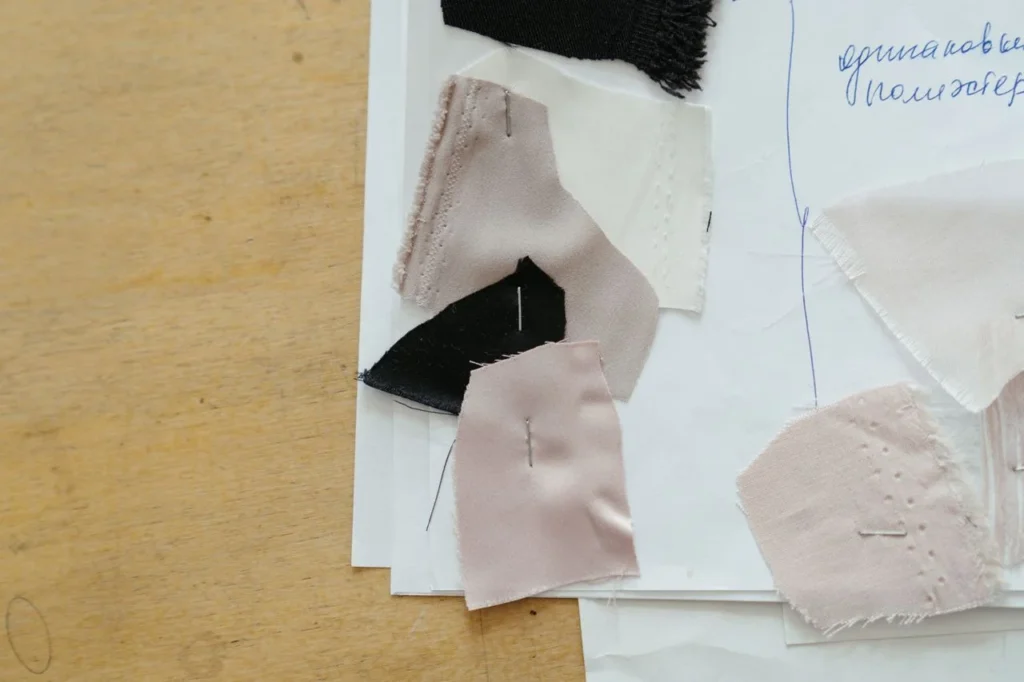
Apparel Sampling Process: Reduce Production Errors by 65% Before Bulk Manufacturing
A weak apparel sampling process can damage an entire production order before bulk manufacturing even starts.
Most apparel production delays are not caused by sewing alone. They usually begin earlier, when the product is still unclear. The fit is not confirmed. The fabric is not tested. The logo placement is approximate. The size chart is copied from another style. The buyer approves too quickly. The factory starts bulk production without a final pre-production sample.
That is how preventable errors enter manufacturing.
A strong apparel sampling process gives brands, retailers, wholesalers, distributors, sportswear startups, private label businesses, and B2B buyers one major advantage: production clarity before money is spent at scale.
A useful manufacturing rule is:
“Sampling is not a delay before production. Sampling is the control system that prevents production delays.”
The 65% reduction target in this article should be understood correctly. It does not mean every possible factory defect disappears by 65%. It means brands can reduce preventable sampling-related errors by up to 65% when they use structured sample stages, fit testing, fabric approval, documented revisions, size-set validation, pre-production approval, and quality-control checkpoints.
GHC Sportswear® supports apparel manufacturing product planning, custom sportswear manufacturing, private label apparel manufacturing, sampling, OEM/ODM production, sports uniforms, equestrian gear, motorbike gear, yoga wear, and bulk apparel manufacturing for international B2B buyers.
Direct Answer: What Is the Apparel Sampling Process?
The apparel sampling process is the step-by-step development of a garment before bulk production. It turns an idea, tech pack, reference image, or design concept into a physical sample that can be checked for fit, fabric, construction, measurement, trims, decoration, comfort, quality, and production feasibility.
A proper apparel sampling process may include:
- Proto sample
- Fabric sample
- Fit sample
- Print or embroidery sample
- Salesman sample
- Size set sample
- Pre-production sample
- Top-of-production sample
- Shipment sample
The main purpose is simple: find problems early, before they become bulk-production errors.
The 65% Error Reduction Model
The “reduce production errors by 65%” target works best as a measurable internal manufacturing KPI.
Use this formula:
Error Reduction % = [(Errors Before Sampling System − Errors After Sampling System) ÷ Errors Before Sampling System] × 100
Example:
| Tracking Stage | Preventable Errors Found |
|---|---|
| Before structured sampling | 100 |
| After structured sampling workflow | 35 |
| Reduction | 65% |
This model applies to preventable errors such as:
- Wrong measurements
- Poor fit
- Incorrect fabric behaviour
- Wrong logo placement
- Wrong stitch type
- Wrong trim selection
- Incorrect size grading
- Shrinkage not checked
- Colour mismatch
- Print cracking
- Embroidery distortion
- Packaging confusion
- Bulk order launched without final approval
The goal is not to make sampling complicated. The goal is to stop guessing.
Why Apparel Sampling Matters
Sampling is where product planning becomes real.
A tech pack can look perfect.
A mockup can look clean.
A fabric swatch can feel right.
A logo can look sharp on screen.
But the physical sample proves whether the garment works.
Sampling checks:
- Does the garment fit the intended body?
- Does the fabric behave correctly?
- Does the size chart work?
- Does the garment stretch as expected?
- Does the logo sit in the right place?
- Does the print method suit the fabric?
- Does the stitching hold?
- Does the product look like the buyer expected?
- Can the factory repeat it in bulk?
McKinsey reported that companies using 3D design and virtual sampling have shortened sampling by two weeks or more and often reduced the number of samples and related costs by 50%. McKinsey: Digitization in Apparel Sourcing
That does not remove the need for physical samples. It shows why disciplined sampling matters.
Apparel Sampling and Global Manufacturing Efficiency
The International Apparel Federation has argued that apparel manufacturing losses are not only about labour or production cost. They also come from systemic inefficiency, overproduction, excess inventory, markdowns, lost capital, and operational friction across supply chains. International Apparel Federation
Sampling is part of the solution because it reduces uncertainty before bulk manufacturing.
For B2B buyers, a proper sample helps prevent:
- Waste
- Rework
- Delays
- Returns
- Poor launch timing
- Wrong inventory
- Quality disputes
- Brand reputation damage
A sample is not just a garment. It is a production decision.
Sampling vs Production Reality
| Production Area | Without Proper Sampling | With Structured Sampling |
| Fit | Inconsistent sizing | Measurements checked before bulk |
| Fabric | Unexpected shrinkage or stretch | Fabric behaviour tested |
| Logo placement | Approximate | Measured and approved |
| Print quality | Risk of cracking or colour issue | Method tested first |
| Trims | Factory guesses | Trim card approved |
| Timeline | More delays | Better production control |
| Cost | More revisions | Controlled development |
| Bulk quality | Inconsistent | Easier to repeat |
| Reorders | Hard to match | Sample record supports repeat production |
Sampling protects production from assumptions.
Where Most Brands Make Sampling Mistakes
Many brands rush sampling because they want to start bulk production quickly.
That is usually where the problem begins.
Common mistakes include:
- No tech pack
- Poor reference images
- Missing measurement chart
- No fabric specification
- No clear fit target
- No sample comments in writing
- Approving the sample too quickly
- Changing design after sample approval
- Skipping size set samples
- Ignoring shrinkage
- Ignoring wash testing
- Not checking logo placement
- No final pre-production sample
- No approval record
- No revision history
Sampling only works when feedback is specific.
Bad sample feedback:
- “Make it better.”
- “Use premium fabric.”
- “Fit is not good.”
- “Logo looks off.”
- “Same as image.”
- “Make it more branded.”
Good sample feedback:
- “Increase chest by 2 cm.”
- “Reduce sleeve length by 1.5 cm.”
- “Use 240 GSM polyester-spandex instead of 200 GSM.”
- “Move chest logo 3 cm higher.”
- “Change zipper puller to matte black.”
- “Approve sample V3 for pre-production.”
Clear comments save production time.
The Complete Apparel Sampling Workflow
A professional apparel sampling process usually follows this path:
- Product brief
- Tech pack review
- Fabric and trim discussion
- Proto sample
- First sample review
- Revision comments
- Fit sample
- Fabric testing where needed
- Decoration sample
- Size set sample
- Pre-production sample
- Written buyer approval
- Bulk production start
- Top-of-production sample check
- Final shipment sample review
Not every product needs every sample type, but every bulk order needs enough sampling to control risk.
1. Product Brief
The product brief tells the manufacturer what the buyer wants.
It should include:
- Product category
- Target buyer
- Intended use
- Quantity estimate
- Fit type
- Fabric preference
- Design reference
- Logo placement
- Colour direction
- Price target
- Delivery country
- Sample requirement
- Bulk timeline
Example:
“Need custom football training shirts for an academy. Lightweight moisture-wicking polyester, athletic fit, sublimated design, club logo on chest, sponsor logo on back, youth and adult sizes, 300 pieces after sample approval.”
A clear product brief prevents wrong first samples.
2. Tech Pack Review
A tech pack is the sampling blueprint.
It should include:
- Flat sketches
- Measurement chart
- Point of measurement guide
- Fabric details
- Trim list
- Stitching instructions
- Logo placement
- Printing or embroidery method
- Labels
- Packaging
- Size grading
- Tolerances
- Revision history
For the full planning system, read Apparel Manufacturing Product Planning.
If there is no tech pack, the first sample will rely more heavily on reference photos, buyer notes, and manufacturer interpretation.
3. Proto Sample
The proto sample is the first physical version of the product.
It checks:
- General shape
- Construction method
- Pattern direction
- Basic fit
- Fabric direction
- Design feasibility
- Early manufacturing issues
A proto sample is not always final. It is meant to reveal what needs adjustment.
4. Fit Sample
The fit sample focuses on measurements, comfort, and body shape.
It checks:
- Chest
- Shoulder
- Sleeve length
- Body length
- Waist
- Hip
- Inseam
- Rise
- Neck opening
- Armhole
- Leg opening
- Stretch recovery
- Movement comfort
Fit samples are critical for:
- Sportswear
- Team uniforms
- Yoga wear
- Compression clothing
- Riding leggings
- Breeches
- Motorcycle apparel
- Tailored polos
- Jackets
- Tracksuits
ISO 8559-1 provides anthropometric measurement definitions that support body measurement databases, size profiles, and garment fit development. ISO 8559-1
The lesson is simple: fit must be measured, not guessed.
5. Fabric Sample
Fabric can look correct but fail in real use.
Fabric sampling checks:
- GSM
- Composition
- Stretch
- Recovery
- Hand feel
- Colour
- Print compatibility
- Shrinkage
- Pilling risk
- Opacity
- Breathability
- Moisture handling
- Wash behaviour
ASTM D3776 covers standard test methods for mass per unit area of fabric, which is directly relevant when buyers discuss GSM or fabric weight. ASTM D3776
For performance fabrics, read Moisture-Wicking Fabrics.
6. Decoration Sample
Decoration includes:
- Sublimation
- Screen printing
- Heat transfer
- DTF printing
- Embroidery
- Woven badges
- Rubber patches
- Tackle twill
- Silicone print
- Reflective applications
Decoration sampling checks:
- Logo size
- Logo placement
- Colour output
- Wash performance
- Hand feel
- Edge quality
- Stretch performance
- Embroidery density
- Print durability
- Number readability
For method selection, compare Screen Printing vs Sublimation, Sublimation Printing, and Heat Transfer Printing.
7. Size Set Sample
A size set sample checks whether all sizes work.
This is important because one approved medium sample does not prove XS, XL, 2XL, youth, women’s, or tall sizes will fit correctly.
Size set sampling is useful for:
- Team uniforms
- Retail apparel
- Private label clothing
- Yoga wear
- Compression wear
- Tracksuits
- Equestrian breeches
- Motorcycle apparel
- School uniforms
- Sports clubs
Size Set Risk Table
| Product | Size Set Risk | What to Check |
| Football jersey | Length and chest grading | Youth/adult size balance |
| Hoodie | Sleeve and rib proportion | Shrinkage and fit |
| Leggings | Waist, hip, inseam | Stretch and opacity |
| Tracksuit | Jacket/pants ratio | Set balance |
| Riding breeches | Seat and grip placement | Saddle movement |
| Compression shirt | Body fit | Stretch recovery |
| Motorcycle hoodie | Armor pockets | Protective insert placement |
| Polo shirt | Collar and sleeve rib | Wash shape |
| Baseball pants | Waist and inseam | Team size spread |
Skipping size set samples is one of the fastest ways to create bulk size complaints.
8. Pre-Production Sample
The pre-production sample, often called PP sample, is the final approved sample before bulk production.
It should match:
- Final fabric
- Final colour
- Final trims
- Final stitching
- Final measurements
- Final logo placement
- Final labels
- Final packaging
- Final fit
- Final decoration method
Bulk production should follow the PP sample.
A PP sample is the manufacturing reference point. Without it, the factory and buyer may not be looking at the same final product.
9. Top-of-Production Sample
The top-of-production sample is taken from the first bulk output.
It helps check:
- Cutting accuracy
- Sewing consistency
- Measurement tolerance
- Print placement
- Trim usage
- Fabric shade
- Bulk workmanship
- Packing method
This stage catches problems before the full order is completed.
10. Shipment Sample
The shipment sample confirms the final packed product.
It checks:
- Final product appearance
- Folding method
- Label placement
- Polybag
- Carton details
- Hang tag
- Barcode or SKU label
- Packing ratio
- Export presentation
For retailers and private label brands, shipment samples help confirm that the product is ready for customers, not just production.
Sample Type Comparison
| Sample Type | Main Purpose | Buyer Decision |
| Proto sample | Proves first construction | Revise or continue |
| Fit sample | Checks body fit | Approve or correct measurements |
| Fabric sample | Confirms material | Approve or change fabric |
| Decoration sample | Tests logo/print/embroidery | Approve method and placement |
| Size set sample | Checks grading | Approve size range |
| PP sample | Final production reference | Approve bulk |
| TOP sample | Checks first bulk output | Continue or correct production |
| Shipment sample | Checks final packed product | Approve shipment presentation |
Each sample answers a different question.
Sampling Cost vs Rework Cost
Sampling costs money, but poor sampling costs more.
| Cost Area | Weak Sampling | Strong Sampling |
| Sample revisions | High and uncontrolled | Planned and documented |
| Fabric waste | More likely | Reduced through approval |
| Production delay | Common | Lower risk |
| Rework | Expensive | Prevented earlier |
| Fit complaints | Higher | Lower |
| Logo mistakes | Higher risk | Placement confirmed |
| Bulk rejection | Possible | Lower risk |
| Reorder matching | Difficult | Easier |
| Brand reputation | At risk | Protected |
Sampling is cheaper than replacing a failed bulk order.
Real Cost Example: Why Sampling Saves Money
Imagine a brand orders 500 custom tracksuits without full sampling.
A sleeve measurement is wrong by 2.5 cm.
The zipper puller is not approved.
The logo is printed too low.
The trousers shrink after washing.
Now the brand may face:
- Rework cost
- Discounted inventory
- Delayed launch
- Customer complaints
- Replacement order
- Shipping pressure
- Lost trust
If the same issues are caught during sampling, the fix is smaller, faster, and cheaper.
Textile Testing During Sampling
Sampling is also the right time to test materials.
Useful checks include:
- Fabric weight
- Shrinkage
- Colourfastness
- Stretch recovery
- Pilling
- Seam strength
- Print durability
- Wash behaviour
- Opacity
- Moisture management
- Abrasion resistance where relevant
ISO 6330 provides domestic washing and drying procedures for textile testing, while ISO 3758 establishes care labelling symbols for textile articles. ISO 6330 ISO 3758
That means sample testing should connect with real care instructions.
Sampling by Product Category
Sports Uniforms
Sports uniforms need sampling for:
- Fit
- Fabric breathability
- Sublimation colour
- Sponsor placement
- Player names
- Jersey numbers
- Shorts length
- Neck rib
- Sleeve finish
- Size range
Useful guides: Custom Sports Uniforms Guide and Why Teams Fight Over Jersey Numbers.
Hoodies and Tracksuits
Sampling should check:
- GSM
- Shrinkage
- Rib recovery
- Zipper quality
- Pocket placement
- Embroidery
- DTF or heat transfer durability
- Sleeve length
- Set balance
Yoga Wear and Activewear
Sampling should check:
- Stretch recovery
- Squat-proof opacity
- Waistband hold
- Seam comfort
- Moisture handling
- Size grading
- Wash behaviour
- Fabric softness
Useful guides: Custom Yoga Apparel and Compression Clothing.
Equestrian Apparel
Sampling should check:
- Riding posture fit
- Saddle comfort
- Silicone grip placement
- Stretch panels
- Waistband hold
- Competition vs everyday use
- Fabric abrasion points
- Wash durability
Useful guide: Custom Equestrian Gear Manufacturing Guide.
Motorbike Apparel
Sampling should check:
- Fit in riding posture
- Sleeve length
- Reinforcement zones
- Armor pocket placement
- Zipper strength
- Seam construction
- Fabric direction
- Comfort under movement
Useful guide: Custom Motorcycle Gear Manufacturing Guide.
Bags and Accessories
Sampling should check:
- Dimensions
- Handle strength
- Zipper quality
- Pocket placement
- Lining
- Strap length
- Embroidery
- Print quality
- Load testing
- Packing method
Sampling Approval System
A professional sample approval system should include:
- Sample version number
- Date received
- Fabric details
- Measurement check
- Fit notes
- Decoration notes
- Trim notes
- Buyer comments
- Factory response
- Revision status
- Approval status
- Final sign-off
Sample Comment Sheet
| Review Area | Buyer Comment | Factory Action |
| Chest | Increase by 2 cm | Pattern revision |
| Sleeve | Reduce by 1 cm | Pattern revision |
| Fabric | Change to 240 GSM | Fabric resourcing |
| Logo | Move 3 cm higher | Artwork placement revision |
| Neck rib | Too loose | Rib spec adjustment |
| Zipper | Use matte black puller | Trim revision |
| Packaging | Add branded polybag | Packing update |
Written comments prevent confusion.
Why Verbal Approval Causes Production Errors
Verbal approval is one of the biggest hidden risks in apparel sampling.
Weak approval language includes:
- “Looks okay.”
- “Make it like sample.”
- “Same as image.”
- “Use normal size.”
- “Make it premium.”
- “You understand.”
- “Proceed quickly.”
Strong approval language includes:
- “Sample V4 approved for bulk production.”
- “Fabric swatch A approved.”
- “Chest logo placement approved at 9 cm below neckline.”
- “Size set approved for XS–2XL.”
- “Care label artwork approved.”
- “Packing method approved.”
If approval is not clear, production is not ready.
Quality Standards Connected to Sampling
Sampling should connect with quality systems.
ISO 9001 focuses on quality management, customer requirements, and continual improvement. ISO 9001
ISO 2859-1 uses AQL sampling schemes to determine sample sizes and acceptance or rejection thresholds for lot-by-lot inspection. ISO 2859-1
For apparel buyers, the lesson is simple: quality should be planned before bulk, checked during production, and verified before shipment.
Sampling and Data Quality
Product data affects sampling too.
Bad data creates bad samples.
Important data includes:
- Style code
- Sample version
- Size code
- Colour code
- Fabric code
- Trim code
- Artwork file name
- Care label file
- Packaging file
- Revision date
- Approval date
GS1 describes good-quality data as complete, consistent, and accurate. GS1 Data Quality
Sampling records should follow the same logic.
65% Error Reduction Roadmap
Step 1: Start with a product brief
Define what you want before asking for a sample.
Step 2: Build or discuss the tech pack
Use measurements, fabric details, trims, labels, and logo placement.
Step 3: Approve fabric direction early
Do not wait until bulk to confirm fabric.
Step 4: Create a proto sample
Use it to test construction and first fit.
Step 5: Give written sample comments
Be specific with measurements and changes.
Step 6: Produce a fit sample
Check body fit and movement.
Step 7: Test decoration
Check print, embroidery, patches, and wash behaviour.
Step 8: Make a size set
Confirm size grading before bulk.
Step 9: Approve the PP sample
This becomes the bulk production reference.
Step 10: Check TOP sample
Verify first production output before continuing full bulk.
This roadmap is how brands reduce preventable sampling and production errors.
Sampling Readiness Scorecard
| Score | Status | Risk Level |
| 90–100% | Ready for PP sample or bulk approval | Low |
| 75–89% | Mostly ready, minor corrections needed | Medium |
| 50–74% | High risk, more sampling needed | High |
| Below 50% | Concept stage only | Very high |
Do not start bulk production below 90% readiness.
Common Sampling Mistakes by Buyer Type
| Buyer Type | Common Sampling Mistake | Better Approach |
| Startup brand | Approves based on look only | Measure and test fit |
| Sports team | Sends late names and numbers | Final roster before bulk |
| Retailer | Skips size set | Validate grading |
| Private label brand | Ignores labels and packaging | Approve full brand setup |
| Distributor | No reorder reference | Keep sample file |
| Yoga brand | Skips stretch testing | Test opacity and recovery |
| Equestrian brand | No movement testing | Test in riding posture |
| Motorbike brand | Weak armor placement check | Fit with inserts |
| School buyer | No size data | Collect sizes early |
| Wholesale buyer | Focuses only on price | Approve quality and repeatability |
Every buyer type needs a sampling system.
GHC Sportswear® Manufacturer Approach
GHC Sportswear® builds sampling around B2B production needs, not one-off guesswork.
The goal is to help buyers move from idea to sample to bulk with controlled steps:
- Product requirement review
- Reference image discussion
- Fabric direction
- Tech pack discussion
- First sample development
- Fit and measurement review
- Branding method confirmation
- Size-set planning where needed
- PP sample approval
- Bulk production
- QC and packing support
- Reorder planning
GHC Sportswear® works as a global-standard manufacturing partner for apparel brands, sports teams, academies, retailers, wholesalers, distributors, private label businesses, equestrian brands, and motorbike gear buyers.
Since 2014, GHC Sportswear® has supported custom sportswear, uniforms, equestrian gear, motorbike gear, activewear, private label apparel, and bulk manufacturing projects for international buyers.
Product Categories Supported by GHC Sportswear®
GHC Sportswear® supports sampling and production for:
- Sports uniforms
- Football kits
- Rugby uniforms
- Basketball uniforms
- Baseball uniforms
- Cricket uniforms
- Tracksuits
- Hoodies
- Jackets
- Polo shirts
- T-shirts
- Compression wear
- Yoga wear
- Leggings
- Gym sets
- Men’s sportswear
- Women’s sportswear
- Equestrian apparel
- Saddle pads
- Horse rugs
- Bridles and tack accessories
- Motorcycle hoodies
- Motorbike jackets
- Bags
- Socks
- Private label apparel
Explore GHC Sportswear® products, GHC Sportswear® services, B2B custom sportswear manufacturing, and Pakistan custom sportswear manufacturing.
What to Send for Apparel Sampling
For accurate sampling, send:
- Product category
- Quantity estimate
- Target market
- Men’s, women’s, youth, or unisex fit
- Reference images
- Tech pack if available
- Fabric preference
- GSM or weight target
- Colour requirement
- Size chart
- Logo file
- Printing or embroidery method
- Label requirements
- Packaging requirements
- Delivery country
- Sample deadline
- Bulk timeline
- Reorder plan
Example:
“Need a sample for custom rugby training shirts. 240 GSM polyester-spandex fabric, athletic fit, navy and white colourway, sublimated body design, embroidered chest badge, heat transfer numbers, sizes S–2XL for bulk, delivery to Ireland.”
Clear sample details reduce back-and-forth and improve sample accuracy.
Sampling Cost Control Tips
To control sampling cost:
- Send complete details first.
- Avoid changing the design after sampling starts.
- Approve fabric direction early.
- Use clear measurement comments.
- Keep all revisions in one document.
- Approve logo placement before print setup.
- Test one colourway first if budget is tight.
- Use size set only after base fit is approved.
- Keep PP sample safe for reorders.
- Do not rush bulk before approval.
The fastest sampling process is not the one with no checks. It is the one with clear checks.
Contact and Project Information
For apparel sampling, product development, custom sportswear, private label apparel, sports uniforms, equestrian gear, motorbike gear, yoga wear, bulk production, or OEM/ODM manufacturing, buyers can contact GHC Sportswear® with product details, reference photos, quantity, and target deadline.
Contact GHC Sportswear® through WhatsApp, email info@ghcsportswear.com, or the GHC Sportswear® contact page.
GHC Sportswear® Official Profiles and Business Links
Buyers can connect with GHC Sportswear® through the official website, social media channels, community platforms, directory listings, and B2B trade profiles.
Visit the GHC Sportswear® official website for custom sportswear, team uniforms, equestrian gear, motorbike gear, yoga wear, and private label manufacturing.
Follow GHC Sportswear® on TikTok, Threads, Instagram, Instagram Channel, Pinterest, LinkedIn, YouTube, Facebook, Medium, Quora, X, Bluesky, and the WhatsApp Channel.
GHC Sportswear® is also listed on B2BMAP, Alibaba TrustPass, EC21, Blinx, and Wikidata.
FAQ: Apparel Sampling Process
What is the apparel sampling process?
The apparel sampling process is the development stage where a garment is made and reviewed before bulk production. It checks fit, fabric, construction, measurements, trims, decoration, labels, packaging, and production feasibility.
Can apparel sampling reduce production errors by 65%?
Yes, brands can reduce preventable sampling-related errors by up to 65% when they use structured sample stages, written revisions, fit testing, fabric approval, size set samples, pre-production approval, and QC checkpoints.
What is a proto sample?
A proto sample is the first physical version of a garment. It checks early construction, general fit, design feasibility, and pattern direction.
What is a fit sample?
A fit sample checks garment measurements, body fit, comfort, movement, and size accuracy before production continues.
What is a pre-production sample?
A pre-production sample is the final approved sample before bulk manufacturing. It should match the final fabric, trims, measurements, decoration, labels, and packaging.
What is a size set sample?
A size set sample checks whether the approved fit works across multiple sizes. It is important for retail apparel, team uniforms, activewear, compression wear, and fitted garments.
Why do apparel samples need revisions?
Samples need revisions because fabric, fit, construction, trims, logos, and measurements often need adjustment after the first physical version is reviewed.
Why should brands not skip sampling?
Skipping sampling increases the risk of wrong fit, wrong fabric, production delays, rework, customer returns, and damaged brand reputation.
What should buyers send before sampling starts?
Buyers should send product category, reference images, tech pack if available, fabric preference, size chart, logo files, colour requirements, labels, packaging details, target quantity, delivery country, and sample deadline.
Can GHC Sportswear® support apparel sampling and bulk production?
Yes. GHC Sportswear® supports apparel sampling, product development, custom sportswear, private label apparel, sports uniforms, equestrian gear, motorbike gear, yoga wear, OEM/ODM manufacturing, bulk production, QC, and global delivery coordination.
Conclusion
A strong apparel sampling process is the difference between controlled production and repeated manufacturing problems.
Most production errors are preventable when sampling is handled properly. Proto samples reveal construction issues. Fit samples catch measurement problems. Fabric samples expose material behaviour. Decoration samples prevent logo and print mistakes. Size sets validate grading. Pre-production samples lock the final approved product before bulk starts.
For brands, sampling protects launch dates.
For wholesalers, it protects consistency.
For retailers, it protects product quality.
For private label businesses, it protects brand reputation.
For B2B buyers, it protects bulk investment.
GHC Sportswear® supports buyers with apparel sampling, product development, tech pack discussion, fabric selection, custom sportswear, private label apparel, sports uniforms, equestrian gear, motorbike gear, yoga wear, bulk production, quality control, and reorder planning.
Sampling is not the step before manufacturing.
It is the step that decides whether manufacturing succeeds.