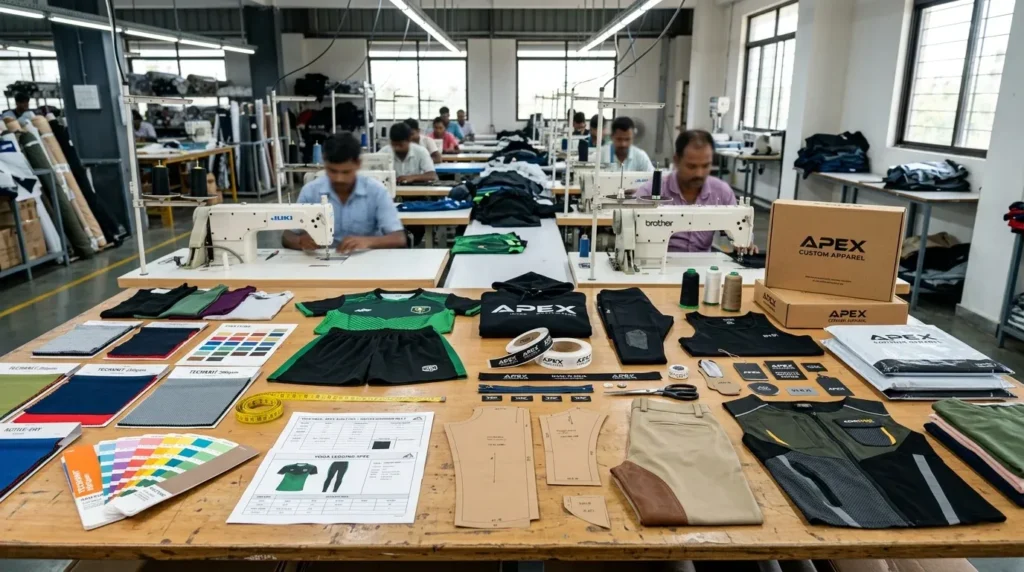
Custom Apparel Manufacturing Guide for Brands, Startups & Bulk Buyers
Custom apparel manufacturing is the foundation behind every serious clothing brand, teamwear supplier, activewear startup, equestrian brand, motorcycle gear line, and private label business. A good product does not happen because someone sends a logo to a factory and asks for “good quality.” It happens when planning, fabric sourcing, sampling, sizing, branding, production, quality control, packaging, and delivery are managed as one connected system.
This guide is built as the master manufacturing hub for GHC Sportswear®. It connects the full product ecosystem: sports uniforms, sportswear, private label apparel, motorcycle gear, equestrian gear, and horse tack. If you are a startup trying to launch your first clothing line, a wholesaler sourcing bulk apparel, a sports academy ordering teamwear, or a retailer building a private label range, this guide explains how custom apparel manufacturing works and what you should prepare before starting production.
The apparel industry is large, competitive, and technical. Textile Exchange reported that global fiber production reached 124 million tonnes in 2023, showing how massive material demand is across apparel, footwear, home textiles, and related applications. That scale makes material selection, sourcing control, and production planning more important than ever for brands that want consistent products.
A strong manufacturing partner does not only stitch garments. It helps turn product ideas into repeatable, sellable, market-ready apparel.
What Custom Apparel Manufacturing Means
Custom apparel manufacturing means producing clothing according to a buyer’s specifications, branding, materials, sizing, and product goals. It can include fully custom products, private label products, OEM manufacturing, ODM development, teamwear production, sportswear collections, rider apparel, protective gear, and merchandise.
The word “custom” does not always mean complicated. It simply means the product is made for a specific buyer, customer group, or business model. A gym brand may need custom oversized T-shirts and joggers. A school may need custom sports uniforms. A motorcycle club may need custom Kevlar hoodies and vests. An equestrian retailer may need saddle pads, stable jackets, and rider apparel. A startup may need private label packaging, labels, and a focused first collection.
Custom apparel manufacturing usually includes:
- Product planning
- Fabric and trim sourcing
- Tech pack development
- Pattern making
- Sampling
- Fit testing
- Size grading
- Printing or embroidery
- Branding and labeling
- Bulk production
- Quality control
- Packaging
- Fulfillment support
The main goal is repeatability. One good sample is not enough. A real manufacturer must be able to repeat quality across sizes, colors, batches, and future orders.
Why Custom Apparel Manufacturing Matters for B2B Buyers
For B2B buyers, apparel is not just clothing. It is inventory, brand identity, customer experience, and margin. If a product fails, the business pays the cost through returns, complaints, bad reviews, delayed launches, and lost trust.
Common business problems caused by poor manufacturing include:
- Size inconsistency across batches
- Weak stitching
- Fabric shrinking or fading
- Poor print durability
- Incorrect logo placement
- Missed delivery timelines
- Bad packaging
- Low customer satisfaction
- High replacement cost
McKinsey’s State of Fashion 2026 report notes that fashion companies are responding to trade pressure, cost pressure, and market shifts by changing sourcing, improving efficiency, and becoming more agile. That matters because brands now need manufacturing partners that can support better planning, cleaner production systems, and reliable supply.
A buyer should not choose a manufacturer only because the quote is cheap. The real question is whether the supplier can deliver consistent products that support long-term growth.
Custom Apparel Manufacturing Process
A strong manufacturing process follows clear steps. Skipping steps may feel faster, but it usually creates expensive problems later.
| Stage | What Happens | Why It Matters |
|---|---|---|
| Product planning | Define product, buyer, use case, and goals | Prevents vague production |
| Material sourcing | Select fabric, trims, hardware, and accessories | Controls comfort, durability, and cost |
| Tech pack development | Document measurements, construction, branding, and packaging | Reduces factory confusion |
| Sampling | Create product samples before bulk | Finds problems early |
| Fit testing | Check movement, sizing, and comfort | Reduces returns |
| Branding setup | Approve labels, logos, prints, packaging, and trims | Builds identity |
| Bulk production | Manufacture approved products | Creates scalable supply |
| Quality control | Inspect measurements, stitching, print, finishing, and packing | Protects brand trust |
| Packaging and delivery | Prepare products for retail, wholesale, or direct shipment | Completes customer experience |
This process applies across many categories, but the details change by product. A sports uniform does not follow the same fit logic as a yoga legging. A motorcycle jacket does not follow the same construction logic as a gym T-shirt. A horse rug does not follow the same testing logic as a hoodie. That is why product-specific planning matters.
Product Planning Comes First
Most manufacturing issues begin before production starts. They happen when buyers do not define the product clearly. A message like “I want a premium tracksuit” is not enough. Premium means different things to different people. The manufacturer needs fabric weight, fit, stitching details, trims, logo method, size range, color references, packaging plan, order quantity, and delivery expectations.
Before starting custom apparel manufacturing, buyers should prepare:
- Product category
- Target customer
- Use case
- Fabric preference
- Fit direction
- Size range
- Color options
- Logo placement
- Label requirements
- Packaging needs
- Quantity target
- Budget level
- Timeline
- Reorder expectations
Good planning saves money. Poor planning creates repeated samples, unclear costing, production delays, and product inconsistency.
For buyers needing structured support with development, sourcing, sampling, and production, GHC Sportswear® explains wider capabilities on the services page.
Fabric and Material Sourcing
Fabric selection decides how a product feels, performs, washes, stretches, prints, and ages. Many buyers focus first on design, but fabric should be one of the earliest decisions. The wrong fabric can destroy a good design.
Textile Exchange’s 2024 Materials Market Report reported record global fiber production in 2023, which shows how material choice sits at the center of apparel production and sustainability conversations.
Common apparel fabrics include:
- Cotton
- Polyester
- Nylon
- Spandex blends
- Fleece
- Interlock knit
- Mesh
- Softshell
- Denim
- Leather
- Synthetic leather
- Technical performance fabrics
- Recycled polyester
- Aramid or Kevlar-style reinforcement fabrics
Different products need different materials. Gym wear needs stretch and sweat management. Team uniforms need color performance and wash durability. Yoga wear needs softness, opacity, and recovery. Motorcycle gear needs stronger construction and reinforcement zones. Equestrian gear needs movement, fit, and product durability around horses.
Fabric Selection by Category
| Product Category | Fabric Direction | Main Requirement |
|---|---|---|
| Sports uniforms | Polyester, mesh, sublimation fabrics | Breathability and color durability |
| Gym wear | Polyester-spandex, nylon-spandex | Stretch and sweat control |
| Hoodies and tracksuits | Fleece, interlock, cotton-poly blends | Comfort and structure |
| Yoga wear | High-stretch blends | Softness, opacity, recovery |
| Equestrian apparel | Technical knits, softshell, stretch fabrics | Riding movement and durability |
| Motorcycle apparel | Denim, leather, textile, reinforced fabrics | Rider function and strength |
| Private label basics | Cotton, fleece, blends | Brand Private label basics |
Fabric should match the promise of the product. If a brand sells performance apparel, the fabric must perform. If a brand sells premium riding gear, the fabric and finish must feel premium. If a brand sells wholesale uniforms, the fabric must survive repeated use.
Tech Packs and Specifications
A tech pack is the instruction manual for the product. It tells the manufacturer how the garment should be made. Without it, the factory has to guess.
A strong tech pack includes:
- Product sketch or reference
- Measurements
- Size chart
- Fabric details
- Trim details
- Stitching instructions
- Logo placement
- Print or embroidery method
- Label placement
- Packaging instructions
- Color references
- Quality control notes
Not every startup has a perfect tech pack at the beginning. That is normal. A good manufacturer can help develop details. However, the final approved information must be documented before bulk production.
Tech packs are especially important for repeat orders. If the first batch sells well, the buyer needs the next batch to match. Without records, reorders become risky.
Sampling: The Step That Protects the Order
Sampling is where the product becomes real. It allows the buyer to review fit, material, stitching, branding, labels, trims, and overall appearance before bulk production.
Sampling may include:
- Prototype sample
- Fit sample
- Revised sample
- Pre-production sample
- Size set sample
Many new buyers want to skip sampling to save time. That is usually a mistake. Sampling is cheaper than fixing hundreds or thousands of defective garments after production.
A sample should be checked properly. Wear it, stretch it, wash it, inspect the stitching, check the print, compare measurements, review packaging, and confirm whether it matches the brand’s customer.
In custom apparel manufacturing, sampling is not a delay. It is risk control.
Fit and Size Grading
Fit is one of the biggest reasons apparel products succeed or fail. A product can have good fabric and strong branding, but if the fit is wrong, customers will not reorder.
Fit depends on:
- Target customer
- Gender
- Region
- Product use
- Fabric stretch
- Shrinkage
- Movement requirement
- Style direction
An oversized gym T-shirt, cycling jersey, compression top, riding jacket, Kevlar jean, and yoga legging all need different fit logic. One size chart cannot work for every product.
Size grading is the process of scaling measurements across sizes. Good grading keeps the product shape consistent from small to large sizes. Poor grading creates strange proportions and customer complaints.
For B2B buyers, sizing consistency is critical because one bad size run can create returns across the full order.
Branding, Labels, and Product Identity
Branding turns a garment into a product customers recognize. It includes more than a logo.
Branding elements may include:
- Neck labels
- Woven labels
- Heat transfer labels
- Care labels
- Hang tags
- Embroidery
- Screen printing
- Sublimation
- Rubber patches
- Leather patches
- Custom zipper pulls
- Branded packaging
Branding should match the product. A premium sportswear brand may use subtle labels and clean packaging. A motorcycle club may need patches and embroidery. A team uniform may need bold names, numbers, and sponsor logos. An equestrian brand may need refined labels, embroidery, and stable-ready packaging.
Branding should be approved during sampling. Last-minute branding changes often cause delays and mistakes.
Printing and Embellishment Methods
Different products need different decoration methods. The right method depends on fabric, use, quantity, and design style.
| Method | Best For | Main Advantage |
|---|---|---|
| Sublimation | Sports uniforms, performance polyester | Full-color designs and lightweight finish |
| Screen printing | T-shirts, hoodies, bulk graphics | Strong color and cost efficiency |
| Embroidery | Jackets, polos, stable wear, premium items | Durable and professional look |
| Heat transfer | Names, numbers, small logos | Flexible and clean application |
| Rubber patches | Sportswear and outerwear | Modern brand detail |
| Woven labels | All categories | Professional identity |
| Embossing | Leather and premium trims | Subtle premium branding |
The wrong method creates problems. A heavy embroidery on thin fabric can feel uncomfortable. A low-quality transfer may peel. A print placed across a stretch zone may crack. Good manufacturing means matching decoration to product use.
Bulk Production and Production Control
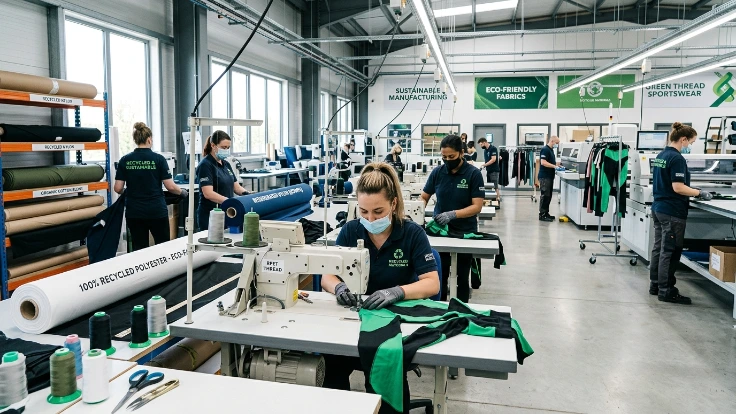
Bulk production begins after sample approval. This is where consistency matters most. The factory must repeat the approved sample across all units.
Bulk production should control:
- Fabric batch
- Cutting accuracy
- Stitching quality
- Print placement
- Measurements
- Color consistency
- Label placement
- Packing method
A production line without control creates variation. One operator stitches differently from another. One size runs larger. One print shifts slightly. One batch looks different from the approved sample. Quality control prevents these issues.
The ILO has highlighted the importance of the textiles and clothing sector for global employment, noting that it provides jobs to over 90 million people. That scale shows why apparel production needs stru, and responsible management.
Quality Control
Quality control protects the buyer before products reach customers. It should not happen only at the end. It should happen throughout production.
Common checks include:
- Fabric inspection
- Measurement checking
- Stitch strength
- Print quality
- Embroidery quality
- Seam alignment
- Color consistency
- Label accuracy
- Packaging review
- Random batch inspection
Quality control should be practical. A buyer does not need fancy words. They need products that match the approved sample, fit correctly, look consistent, and arrive ready to sell.
Poor quality control damages brands quickly. Customers remember bad sizing, weak seams, and peeling logos.
Packaging and Fulfillment
Packaging is the final brand touchpoint before the product reaches the customer. It protects garments and improves presentation.
Packaging may include:
- Poly bags
- Branded bags
- Hang tags
- Size stickers
- Barcode labels
- Boxes
- Tissue paper
- Product cards
- Carton labels
- Wholesale packing lists
Packaging requirements differ by buyer. A direct-to-consumer brand may need premium packaging. A wholesaler may need products packed by SKU and size. A sports academy may need uniforms sorted by team and player. A retailer may need barcode labels and shelf-ready packing.
Packaging should be discussed before bulk production, not after products are finished.
Private Label Apparel Manufacturing
Private label apparel manufacturing is when products are made under the buyer’s own brand name. This is one of the most common paths for startups, gyms, clubs, influencers, retailers, and distributors.
GHC Sportswear® has a full private label manufacturing pillar here: Private Label Apparel Manufacturing Guide.
Private label buyers usually need:
- Custom labels
- Brand packaging
- Logo placement
- Product development
- Fabric sourcing
- Size charts
- Repeat production
- Quality control
Private label works best when the buyer has a clear customer and a focused product range. Launching too many products at once creates risk. A controlled first collection is usually better.
Sports Uniform Manufacturing
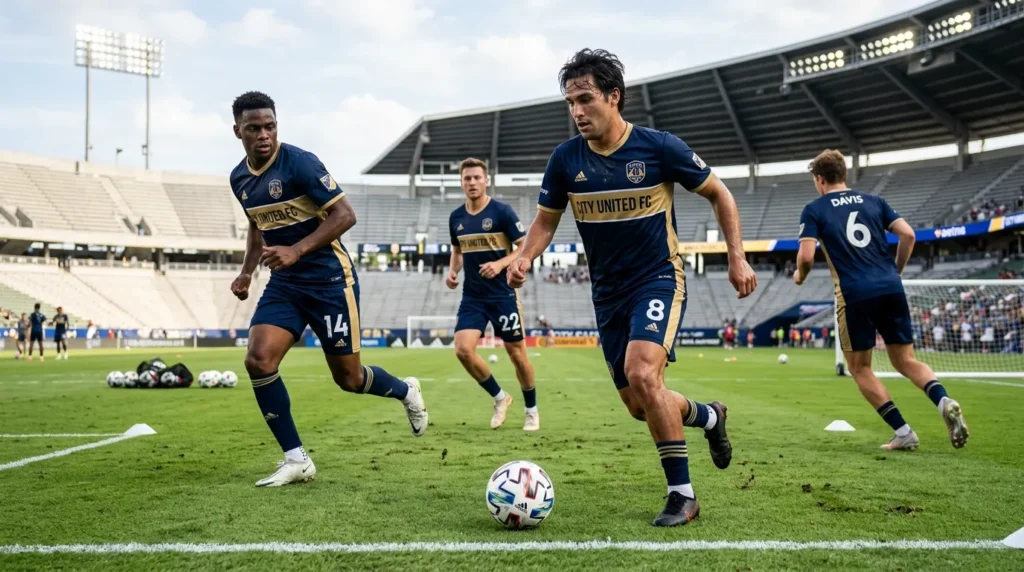
Sports uniform manufacturing covers teamwear for clubs, schools, academies, leagues, and distributors. Products may include football kits, rugby uniforms, basketball jerseys, cricket uniforms, baseball uniforms, volleyball uniforms, cycling kits, rowing uniforms, training kits, and warm-up apparel.
For deeper planning, use the Sports Uniforms pillar: Custom Sports Uniforms Guide.
Buyers can also review the dedicated custom wholesale sports uniforms manufacturer page.
Sports uniform buyers must focus on:https://ghcsportswear.com/custom-sports-uniforms-guide/
- Fabric breathability
- Color durability
- Names and numbers
- Sponsor placement
- Size range
- Reorder planning
- Sublimation or printing method
- Team identity
A team uniform is both a performance product and a branding product. It must work on the field and look professional.
Sportswear Manufacturing
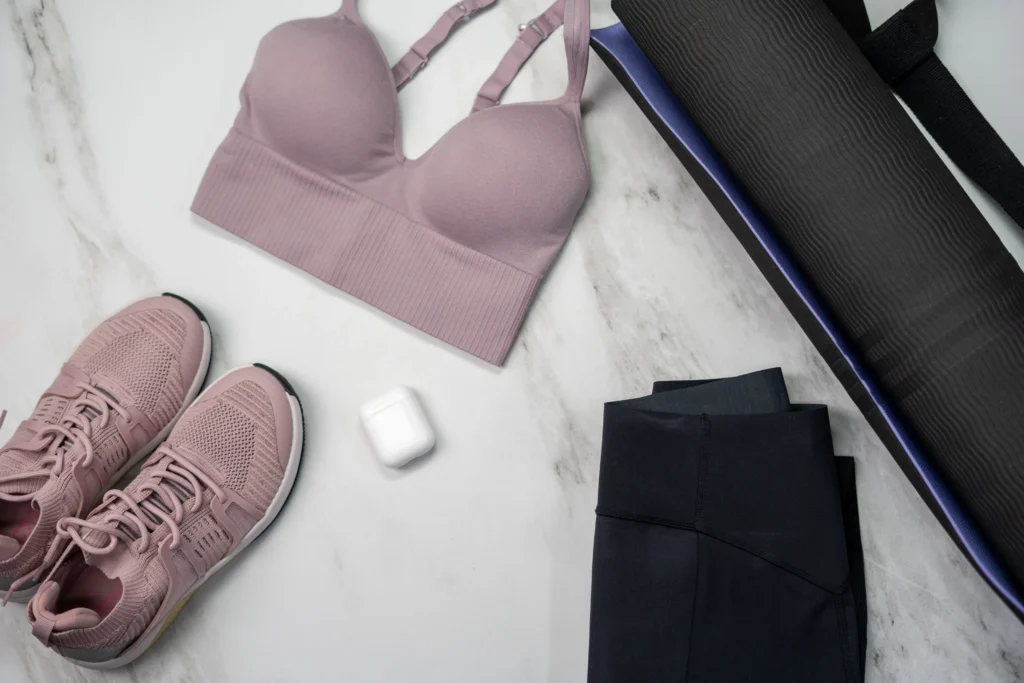
Sportswear manufacturing includes gym wear, activewear, compression wear, tracksuits, hoodies, joggers, shorts, performance tops, yoga wear, and athleisure products.
For detailed sportswear planning, use the Sportswear Manufacturing pillar: Custom Sportswear Manufacturing Guide.
Relevant category pages include:
Sportswear buyers should focus on fabric performance, stretch recovery, wash durability, fit, branding, and comfort. This category is highly competitive, so product quality and consistency matter heavily.
Equestrian Gear Manufacturing
Equestrian gear manufacturing includes rider apparel, stable jackets, saddle pads, horse rugs, bridles, halters, riding shirts, breeches, and private label equestrian products.
Use the Equestrian Manufacturing pillar here: Custom Equestrian Gear Manufacturing Guide.
Use the Horse Tack pillar here: Complete Horse Tack Guide.
Buyers can also review the dedicated custom wholesale equestrian gear manufacturer page.
Equestrian products must consider rider movement, horse comfort, durability, outdoor use, and repeat product quality. A riding school, equestrian brand, and tack retailer may all need different product strategies.
Motorcycle Gear Manufacturing
Motorcycle gear manufacturing includes riding jackets, Kevlar hoodies, Kevlar jeans, riding pants, motorcycle shirts, club vests, gloves, and branded motorcycle merchandise.
Use the Motorcycle Gear Manufacturing pillar here: Custom Motorcycle Gear Manufacturing Guide.
Buyers can also review the dedicated custom wholesale motorbike gear manufacturer page.
Motorcycle gear must be planned around riding posture, material strength, comfort, branding, climate, and product positioning. A motorcycle club hoodie, Kevlar riding jean, and touring jacket should not be developed with the same logic.
Custom Apparel Manufacturing by Buyer Type
Different buyers need different manufacturing plans.
| Buyer Type | Main Need | Best Manufacturing Approach |
|---|---|---|
| Startup brand | Launch first collection | Focused products, sampling, private label branding |
| Wholesaler | Bulk supply | Repeatable specs and stable pricing |
| Distributor | Multi-category products | Clear product records and scalable production |
| Sports team | Uniforms and reorders | Teamwear system and size control |
| Gym or fitness brand | Activewear and merch | Performance fabric and brand identity |
| Riding school | Equestrian apparel and gear | Durability and easy reorders |
| Motorcycle club | Apparel and identity gear | Patches, embroidery, durable construction |
| Retailer | Private label collection | Packaging, labels, margin control |
The buyer type should guide the product plan. A startup needs flexibility. A distributor needs stability. A club needs identity. A retailer needs sellable presentation.
Cost Factors in Custom Apparel Manufacturing
Manufacturing cost depends on more than quantity.
| Cost Factor | Why It Matters |
|---|---|
| Fabric | Technical fabrics cost more than basic fabrics |
| Product complexity | More panels, pockets, zippers, and trims increase labor |
| Printing or embroidery | Decoration adds setup and production steps |
| Labels and branding | Private label elements affect cost |
| Packaging | Retail packaging costs more than simple packing |
| Quantity | Larger orders usually reduce unit cost |
| Sampling | Revisions increase development cost |
| Quality level | Better construction costs more but reduces returns |
| Shipping | Weight, carton volume, and destination affect logistics |
The cheapest quote may not be the best quote. Low cost can become expensive if the product fails, arrives late, or creates returns.
MOQ and Scaling
MOQ means minimum order quantity. It depends on material sourcing, cutting efficiency, printing setup, labor planning, and product complexity. Buyers should understand MOQ before starting.
A good scaling plan may look like this:
| Stage | Goal | Production Strategy |
|---|---|---|
| Sample stage | Test product | Develop and approve sample |
| First launch | Sell focused range | Keep SKUs controlled |
| Reorder stage | Restock bestsellers | Use approved production records |
| Expansion stage | Add new products | Build related categories |
| Wholesale stage | Increase volume | Improve pricing and repeat supply |
Brands should not over-order too early. They should also avoid ordering so little that production becomes inefficient. The best approach is controlled scaling.
Product Development Timeline
A custom apparel manufacturing project should follow a realistic timeline. Many buyers underestimate how much time is needed for design confirmation, material sourcing, sampling, revisions, production, inspection, and packing. Rushing every step usually creates mistakes.
A simple timeline may look like this:
| Stage | Typical Work |
|---|---|
| Week 1 | Product discussion, references, category selection |
| Week 2 | Fabric and trim direction, logo placement, first specifications |
| Weeks 3–4 | Sample development |
| Week 5 | Sample review and revision notes |
| Weeks 6–7 | Revised or pre-production sample approval |
| Weeks 8+ | Bulk production, quality control, packing, and shipping |
The exact timeline depends on product complexity and order size. A basic T-shirt is faster than a technical motorcycle jacket. A sublimated team uniform is different from a private label yoga set. A horse rug with straps and lining needs more product checking than a hoodie.
The key point is simple: early planning gives brands better control. Late planning creates stress, rush fees, mistakes, and missed selling windows.
Communication Between Buyer and Manufacturer
Clear communication is one of the most underrated parts of custom apparel manufacturing. Many problems happen because buyers and factories use the same words but mean different things.
For example, “heavyweight hoodie” can mean different GSM levels. “Slim fit” can mean body-hugging to one buyer and slightly shaped to another. “Premium packaging” can mean a printed poly bag, a box, a hang tag, or a full retail presentation.
Good communication should include:
- Written specifications
- Clear reference images
- Measurement charts
- Approved artwork files
- Fabric swatches where possible
- Sample feedback with photos
- Final approval before bulk production
- Saved records for future orders
Voice notes and quick messages can help, but they should not replace written approvals. For serious production, every important decision should be documented.
Custom Apparel Manufacturing for International Buyers
International buyers need extra planning because shipping, customs, communication, and market expectations all affect the final order. A buyer in the UK, USA, EU, Middle East, or Australia may need different sizing expectations, packaging standards, labeling details, and delivery planning.
International buyers should prepare:
- Target market sizing
- Label language requirements
- Care instructions
- Packaging expectations
- Delivery deadline
- Shipping method
- Product compliance needs
- Import documentation requirements
A manufacturer that understands international B2B buyers can help reduce confusion. This is especially important for wholesalers and distributors that sell products to retailers or resellers.
Sustainability and Waste Reduction in Apparel Manufacturing
Sustainability is becoming more important across apparel, but it should be handled practically. Buyers should focus on better material planning, controlled production, fewer defects, longer-lasting products, and reduced waste.
Sustainable improvement can include:
- Better cutting efficiency
- Avoiding unnecessary samples
- Using durable materials
- Reducing rejected units
- Choosing recycled or responsibly sourced materials where suitable
- Improving packaging choices
- Planning reorders instead of overproducing random stock
Sustainability is not only about using one eco-friendly fabric. A poorly made garment that fails quickly is wasteful even if it uses a better material. A durable product that customers use longer supports better value.
Responsible Sourcing and Supply Chain Awareness
Custom apparel manufacturing should also consider responsible sourcing. The OECD Due Diligence Guidance for Responsible Supply Chains in the Garment and Footwear Sector helps companies identify and address risks in garment supply chains. This matters because buyers are increasingly expected how their products are made. citeturn593510search2
For B2B buyers, responsible sourcing supports long-term brand trust. It also helps businesses communicate more clearly with retailers, customers, and partners.
Responsible manufacturing does not mean using buzzwords. It means having clearer processes, better communication, safer practices, and more reliable supply chain decisions.
Common Mistakes Buyers Make
Many apparel manufacturing problems are avoidable.
Common mistakes include:
- Starting without a clear product plan
- Choosing fabric only by price
- Skipping samples
- Not preparing size charts
- Using low-quality logo files
- Changing designs during production
- Ignoring packaging
- Not planning reorders
- Choosing a manufacturer only by cheap pricing
- Not checking quality before shipping
- Launching too many products too quickly
The biggest mistake is treating manufacturing like a simple order form. Real production requires planning, approvals, testing, and records.
Custom Apparel Manufacturing Checklist
Before production, buyers should prepare:
| Step | What to Prepare |
|---|---|
| Product idea | Category, customer, purpose |
| Specifications | Fabric, fit, size range, construction |
| Branding | Logos, labels, tags, packaging |
| Sampling | Prototype and revisions |
| Approval | Final sample confirmation |
| Bulk order | Quantity, colors, size breakdown |
| Quality control | Measurements, stitching, print checks |
| Packaging | Retail or wholesale packing |
| Delivery | Shipping method and timeline |
| Reorder plan | Saved specs, artwork, and fabric records |
This checklist should be used before every custom apparel manufacturing project.
How This Master Pillar Connects the Website
This custom apparel manufacturing guide should become the top-level hub for manufacturing education on the website. It should link down to each category pillar and receive links back from every manufacturing support article.
The structure should work like this:
| Page Type | Example | Link Direction |
|---|---|---|
| Master pillar | Custom Apparel Manufacturing Guide | Links to all main manufacturing pillars |
| Category pillar | Sportswear Manufacturing Guide | Links back to master pillar and category pages |
| Supporting article | Fabric and Trim Sourcing Guide | Links to master pillar and relevant category pillar |
| Commercial page | Men’s Sportswear Manufacturer | Receives links from pillar and support articles |
| Contact page | Contact GHC Sportswear® | Receives conversion-focused links |
This makes the website easier for users and search engines to understand. A visitor reading about sampling can move to private label manufacturing. A visitor reading about team uniforms can move to sports uniforms manufacturing. A visitor reading about motorcycle gear can move to the motorcycle gear pillar and then contact GHC Sportswear®.
When to Use Each GHC Sportswear® Pillar
Use the private label apparel manufacturing pillar when the topic is about clothing startups, brand launches, OEM, ODM, MOQ, labeling, packaging, sampling, or selling products under a buyer’s own brand.
Use the custom sportswear manufacturing pillar when the topic is about gym wear, activewear, yoga wear, compression wear, hoodies, tracksuits, performance fabrics, sustainable sportswear, or fitness brands.
Use the custom sports uniforms guide when the topic is about football uniforms, rugby kits, basketball jerseys, cricket uniforms, baseball uniforms, cycling kits, rowing uniforms, jersey numbers, team colors, bulk teamwear, or sports academies.
Use the custom equestrian gear manufacturing pillar when the topic is about riding school gear, saddle pads, horse rugs, custom equestrian apparel, private label equestrian gear, or bulk equestrian supply.
Use the complete horse tack guide when the topic is about saddles, bridles, bits, tack care, leather tack, synthetic tack, saddle fit, bridle fit, and horse equipment education.
Use the custom motorcycle gear manufacturing pillar when the topic is about motorcycle jackets, Kevlar hoodies, Kevlar jeans, riding pants, motorcycle clubs, private label motorcycle gear, and bulk rider apparel.
This internal linking system prevents random linking. Every article should send readers to the most useful next page.
Why Choose GHC Sportswear® for Custom Apparel Manufacturing
GHC Sportswear® supports brands, startups, wholesalers, distributors, teams, academies, gyms, retailers, equestrian businesses, motorcycle clubs, and private label companies with custom apparel manufacturing across multiple categories.
Buyers can learn more about the company on the about page.
The advantage of a multi-category manufacturing partner is that buyers can build connected product ranges. A sportswear brand can add teamwear. An equestrian brand can add stable apparel. A motorcycle club can add merchandise. A retailer can develop private label products across several categories.
Need a Reliable Custom Apparel Manufacturing Partner?
GHC Sportswear® supports B2B buyers with custom apparel manufacturing, private label production, sportswear, teamwear, equestrian gear, motorcycle gear, yoga wear, product development, sampling, fabric sourcing, branding, packaging, and bulk production.
We work with:
- Clothing startups
- Sportswear brands
- Wholesalers
- Distributors
- Retailers
- Sports teams
- Clubs and academies
- Gyms and fitness brands
- Equestrian businesses
- Motorcycle brands
- Private label companies
We support:
- Custom apparel manufacturing
- Private label clothing production
- OEM and ODM product development
- Sports uniform manufacturing
- Sportswear and activewear production
- Yoga wear manufacturing
- Equestrian gear manufacturing
- Motorcycle gear manufacturing
- Branding and packaging
- Bulk production and reorders
To discuss custom apparel manufacturing, product development, or wholesale production, contact GHC Sportswear® here: Contact GHC Sportswear®.
WhatsApp: https://wa.me/ghcsportswear
Email: info@ghcsportswar.com
Final Thoughts
Custom apparel manufacturing is not only about producing garments. It is about building a system that turns product ideas into consistent, branded, sellable products. The strongest brands do not rely on guesswork. They plan products clearly, approve samples carefully, choose suitable fabrics, control sizing, protect branding, inspect quality, and prepare for reorders.
For startups, private label brands, wholesalers, distributors, teams, clubs, equestrian businesses, motorcycle brands, and retailers, the right manufacturing partner makes growth easier. GHC Sportswear® connects product development, category knowledge, and bulk production support across the major apparel categories that buyers need.
This custom apparel manufacturing guide should work as the master hub for all manufacturing-related content on the website. Category pillars such as sports uniforms, sportswear, private label apparel, equestrian gear, motorcycle gear, and horse tack should all connect to this page where relevant. Supporting articles about sampling, sourcing, branding, packaging, fulfillment, MOQ, and production issues should also link here so the full website structure becomes stronger over time.