Business Operations Management: The Foundation of Strong Apparel Brands
Strong apparel brands need more than strong products.
Behind every reliable sportswear brand, private label business, teamwear supplier, equestrian company or apparel distributor is an operating system that connects product planning, sourcing, sampling, manufacturing, quality control, packaging, order fulfillment and decision-making.
This is the role of business operations management.
Operations management turns individual activities into a repeatable system.
Without that system, growth often creates more problems:
- More orders create more production pressure.
- More products create more material complexity.
- More customers create more fulfillment requirements.
- More suppliers create more coordination risk.
- More employees create more communication points.
- More countries create more logistics and compliance requirements.
A business can increase sales while becoming operationally weaker.
That is why sustainable scaling is not simply about producing more.
It is about controlling more complexity without losing quality, visibility or accountability.
“Growth increases volume. Operations determine whether the business can handle it.”
For apparel companies, business operations management should connect the complete order lifecycle—from the first product idea to the final shipment and repeat order.
GHC Sportswear® supports international B2B buyers through apparel manufacturing product planning, apparel sampling, fabric and trim sourcing, controlled manufacturing, apparel branding, apparel packaging and the order fulfillment process.
What Is Business Operations Management?
Business operations management is the structured coordination, measurement and improvement of the processes a company uses to deliver products or services.
In an apparel manufacturing environment, it can include:
- Product planning
- Order management
- Capacity planning
- Material sourcing
- Supplier management
- Sampling
- Production planning
- Cutting
- Printing and embroidery
- Sewing
- Quality management
- Inventory control
- Packaging
- Fulfillment
- Logistics coordination
- Data management
- Risk management
- Performance measurement
- Corrective action
- Reorder planning
The purpose is not to create unnecessary administration.
The purpose is to ensure that everyone involved understands:
- What must happen
- Who is responsible
- When it must happen
- Which information is required
- How performance will be measured
- What happens when something goes wrong
ISO’s quality-management principles include a process approach, evidence-based decision-making, customer focus, continual improvement and relationship management. These principles provide a useful international framework for designing strong operational systems.
Operations Are the Operating System Behind the Brand
Customers see:
- The garment
- The logo
- The website
- The packaging
- The delivery
They usually do not see:
- Capacity plans
- Purchase orders
- Fabric bookings
- Trim approvals
- Sample revisions
- Production files
- Inspection records
- Supplier scorecards
- Rework reports
- Packing lists
- Corrective actions
Yet these invisible systems determine the quality of what customers eventually receive.
A useful way to think about it is:
Brand promise → Operations → Customer experience
If the brand promises premium quality but operations produce inconsistent sizing, the promise fails.
If the brand promises fast supply but purchasing repeatedly misses material deadlines, the promise fails.
If the brand promises reliability but reorders look different from earlier orders, the promise fails.
Branding creates expectations.
Operations determine whether those expectations are fulfilled.
The Seven Operational Pillars of an Apparel Business
A strong apparel operating model can be organized around seven interconnected pillars.
1. Product Planning
Product planning determines what the company intends to manufacture.
It includes:
- Product category
- Target customer
- Intended use
- Price position
- Design
- Fit
- Fabric
- Features
- Size range
- Branding
- Packaging
- Quantity
- Timeline
Poor planning forces later departments to interpret missing information.
Strong planning reduces uncertainty before resources are committed.
For the complete development framework, read Apparel Manufacturing Product Planning.
2. Sourcing
Sourcing converts product requirements into approved physical materials.
It includes:
- Main fabric
- Lining
- Rib
- Elastic
- Zippers
- Buttons
- Snaps
- Sewing thread
- Labels
- Patches
- Packaging materials
- Hardware
Sourcing decisions influence:
- Product cost
- Product performance
- Lead time
- Repeatability
- Quality
- Production efficiency
For deeper material control, see Fabric and Trim Sourcing.
3. Sampling
Sampling validates whether the planned product can actually be manufactured as expected.
Depending on the product, development may include:
- Prototype sample
- Fit sample
- Decoration sample
- Size set
- Pre-production sample
- Top-of-production sample
Sampling should identify problems while the quantity affected is still small.
Read the full Apparel Sampling Process.
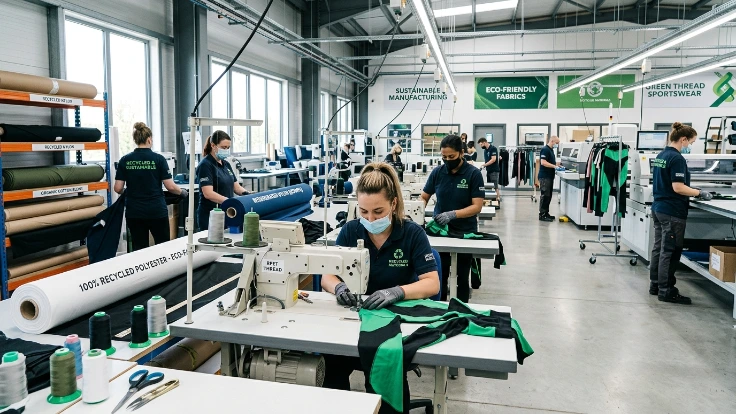
4. Manufacturing
Manufacturing converts the approved sample into repeat production.
Operations may include:
- Fabric inspection
- Relaxation
- Cutting
- Bundling
- Printing
- Embroidery
- Sewing
- Assembly
- Finishing
- Measurement
- Inspection
Manufacturing requires controlled instructions and production monitoring.
See Controlled Manufacturing for the factory-floor control framework.
5. Quality Management
Quality management ensures requirements remain controlled throughout development and production.
It includes:
- Material approval
- Sample approval
- First-piece inspection
- In-line quality checks
- Measurement control
- End-line inspection
- Final inspection
- Defect classification
- Corrective action
- Reorder monitoring
ISO 9001 provides an internationally recognized framework for quality-management systems, including process control, monitoring, performance evaluation and continual improvement. As of August 2026, ISO 9001:2015 remains the published edition, while ISO has stated that its replacement is expected in September 2026.
6. Packaging and Fulfillment
A finished garment has not completed its operational journey until it is:
- Correctly identified
- Correctly packed
- Correctly counted
- Correctly documented
- Correctly dispatched
Packaging and fulfillment connect production with the customer.
Read Apparel Packaging and the Order Fulfillment Process.
7. Performance and Improvement
Operations must be measured.
Otherwise management cannot reliably determine:
- Whether production is improving
- Where delays originate
- Which suppliers perform best
- Where rework is increasing
- Which product categories create problems
- Whether capacity is sufficient
- Whether customers are receiving complete orders
ISO 22400 provides an industry-neutral framework for defining and using manufacturing operations KPIs.
How the Complete Apparel Operations System Works
The strongest operations system connects every department instead of treating them separately.
| Operational Stage | Required Output | Next Stage Depends On |
|---|---|---|
| Product planning | Clear specification | Sourcing and sampling |
| Material sourcing | Approved fabrics and trims | Sampling and production |
| Sampling | Approved physical reference | Bulk production |
| Production planning | Capacity and schedule | Factory execution |
| Manufacturing | Finished products | Quality release |
| Quality management | Approved goods | Packaging |
| Packaging | Correct packed order | Fulfillment |
| Fulfillment | Correct dispatch | Customer delivery |
| Feedback | Performance data | Improvement and reorder |
If one stage passes incomplete information forward, the problem usually becomes more expensive later.
Weak Operations vs Strong Operations
| Area | Weak Operations | Strong Operations |
| Product specifications | Scattered messages | Controlled product file |
| Sampling | Rushed | Structured approval process |
| Sourcing | Price-driven | Specification-driven |
| Production | Reactive | Scheduled and monitored |
| Quality | Final inspection only | Prevention plus inspection |
| Inventory | Estimates | Recorded quantities |
| Decisions | Based on assumptions | Based on data |
| Responsibility | Unclear | Defined |
| Problems | Repaired repeatedly | Root cause investigated |
| Reorders | Recreated from memory | Based on retained records |
| Fulfillment | Manual and inconsistent | Verified workflow |
| Growth | Creates chaos | Supported by scalable systems |
The difference is not bureaucracy.
The difference is operational control.
Standard Operating Procedures
Standard operating procedures, or SOPs, document how repeatable activities should be performed.
Examples in apparel operations include:
- Fabric receiving
- Fabric inspection
- Pattern release
- Cutting
- Embroidery approval
- Printing setup
- First-piece inspection
- Measurement
- Packing
- Carton verification
- Complaint handling
A useful SOP should identify:
- Purpose
- Scope
- Responsible person
- Required input
- Procedure
- Acceptance criteria
- Records
- Escalation process
SOPs reduce dependence on individual memory.
When experienced employees leave, the operating knowledge should remain inside the business.
Roles and Responsibilities
Operations become unstable when several people assume someone else is responsible.
Every important process should have clear ownership.
Example Responsibility Matrix
| Activity | Merchandising | Production | QC | Packing | Management |
| Confirm purchase order | Responsible | Informed | Informed | Informed | Accountable |
| Approve production file | Responsible | Consulted | Consulted | — | Accountable |
| Plan capacity | Consulted | Responsible | — | — | Accountable |
| First-piece approval | Consulted | Responsible | Responsible | — | Informed |
| In-line inspection | — | Consulted | Responsible | — | Informed |
| Final quality release | — | Consulted | Responsible | Informed | Accountable |
| Packing verification | — | — | Consulted | Responsible | Informed |
| Dispatch approval | Consulted | — | Consulted | Responsible | Accountable |
The exact structure depends on company size.
The principle remains the same:
Every critical activity needs an owner.
Production Planning
Production planning connects confirmed orders with available resources.
A production plan should consider:
- Order quantity
- Style complexity
- Sample approval
- Material availability
- Cutting capacity
- Printing capacity
- Embroidery capacity
- Sewing capacity
- Operator skills
- Finishing capacity
- QC capacity
- Packaging availability
- Dispatch deadline
Poor planning creates congestion.
For example, sewing may be ready while embroidery is still incomplete.
Or garments may finish production while branded packaging is not available.
Operations management should balance the complete flow rather than optimizing one department independently.
Capacity Planning
Capacity answers a basic question:
Can the business realistically complete the required workload within the available time?
Simple capacity planning compares:
- Required production time
- Available labour time
- Available machine time
- Product complexity
- Efficiency
- Maintenance requirements
- Existing commitments
A manufacturer should avoid promising a delivery date based only on calendar days.
The real question is whether the necessary capacity is available.
Capacity Warning Signs
- Regular overtime
- Repeated missed dates
- Work constantly moved between lines
- High work-in-progress levels
- Quality falls when orders increase
- Sampling resources are diverted to production
- Packing becomes a bottleneck
- Maintenance is postponed
- Rush shipping becomes normal
These are operational signals—not random events.
Bottleneck Management
A bottleneck is the process that limits total output.
In apparel production, the bottleneck might be:
- Cutting
- Sublimation printing
- Embroidery
- A difficult sewing operation
- Final inspection
- Packing
- Material approval
Increasing output everywhere else does not solve the problem.
If embroidery can process 500 garments per day while sewing can handle 1,000, producing 1,000 cut garments simply creates waiting inventory.
Operations management should identify the actual constraint and manage the flow around it.
Work in Progress
Work in progress, or WIP, includes products that have entered production but are not yet finished.
Examples include:
- Cut panels
- Printed panels
- Embroidered panels
- Partially sewn garments
- Unfinished garments
- Products awaiting inspection
- Products awaiting packing
Excessive WIP can hide:
- Production imbalance
- Defects
- Waiting time
- Missing components
- Poor scheduling
Very low WIP can also create interruptions when the next process has nothing available.
The objective is controlled flow.
Inventory Management
An apparel manufacturer may need to control several inventory types:
Raw Materials
- Fabric
- Rib
- Elastic
- Thread
- Zippers
- Labels
- Packaging
Work in Progress
- Cut panels
- Printed components
- Partially assembled garments
Finished Goods
- Completed garments waiting for inspection
- Approved goods waiting for packing
- Packed products waiting for dispatch
Reorder Materials
- Remaining fabric
- Spare trims
- Packaging materials
- Replacement components
Inventory records should identify:
- Item
- Quantity
- Unit
- Location
- Order allocation
- Supplier
- Batch
- Status
Poor inventory control creates false information.
A system may show 500 zippers available while 350 are already reserved for another order.
Operational inventory should track both physical quantity and committed quantity.
Supplier Management
Strong operations extend beyond the factory.
Suppliers affect:
- Material consistency
- Lead time
- Production schedules
- Product performance
- Cost
- Reorders
A supplier scorecard may evaluate:
| Supplier Factor | Example Measurement |
| Quality | Incoming rejection rate |
| Delivery | On-time delivery |
| Consistency | Batch variation |
| Documentation | Accuracy and completeness |
| Responsiveness | Corrective-action speed |
| Cost | Total cost stability |
| Repeatability | Ability to reproduce approved materials |
Supplier relationships should not be managed by price alone.
The OECD’s 2025 Supply Chain Resilience Review emphasizes agile, adaptable and aligned supply chains rather than assuming that one sourcing structure automatically creates resilience.
Information Flow Is an Operational Asset
Physical production follows information.
When information is wrong, production can be perfectly executed and still produce the wrong product.
Critical apparel information includes:
- Purchase orders
- Style codes
- Tech packs
- Measurement charts
- Artwork
- Fabric codes
- Colour references
- Trim codes
- Size quantities
- Barcode files
- Packaging specifications
- Delivery addresses
Information should have:
- Clear ownership
- Version control
- Approval status
- Revision date
- Accessible records
The production team should never need to decide which of three conflicting measurement charts is the correct one.
Evidence-Based Decision-Making
Operations management should replace vague judgments with measurable evidence.
Instead of:
“Production is slow.”
Measure:
- Planned output
- Actual output
- Downtime
- Line efficiency
- Bottleneck operation
- Rework time
Instead of:
“Quality has become bad.”
Measure:
- Defects
- Defective garments
- Rework
- First-pass yield
- Complaint rate
- Defect type
- Defect location
Instead of:
“This supplier always causes problems.”
Measure:
- Rejection rate
- Delivery performance
- Replacement frequency
- Shade variation
- Corrective-action performance
Evidence-based decision-making is one of ISO’s seven quality-management principles.
Operational KPIs for Apparel Businesses
A good dashboard should not contain dozens of numbers nobody uses.
It should focus attention on important business outcomes.
Production KPIs
- Output per day
- Line efficiency
- First-pass yield
- Defects per hundred units
- Rework rate
- Downtime
- WIP
- On-time production completion
Sourcing KPIs
- Supplier on-time delivery
- Fabric rejection
- Trim rejection
- First-time material approval
- Replacement frequency
- Material lead time
Quality KPIs
- First-pass quality
- Defective garment rate
- Measurement failure
- Final inspection failure
- Customer claim rate
- Repeat defect rate
Fulfillment KPIs
- Order accuracy
- Packing accuracy
- On-time dispatch
- OTIF
- Documentation accuracy
- Damage rate
Customer KPIs
- Complaint rate
- Repeat orders
- Return rate
- Resolution time
- Customer satisfaction
Financial KPIs
- Material variance
- Rework cost
- Scrap cost
- Freight variance
- Gross margin
- Cost per unit
ISO 22400 provides a formal framework for defining and using KPIs within manufacturing operations management rather than treating metrics as isolated numbers.
KPI Ownership Matters
A KPI with no owner becomes a report rather than a management tool.
Every important indicator should define:
- KPI name
- Formula
- Source data
- Reporting frequency
- Target
- Responsible person
- Escalation threshold
- Required action
Example Operational KPI Dashboard
| KPI | Target Direction | Owner | Review Frequency |
| First-pass yield | Increase | Quality | Daily |
| Rework rate | Decrease | Production | Daily |
| Supplier on-time delivery | Increase | Purchasing | Weekly |
| Material rejection | Decrease | Sourcing/QC | Weekly |
| Order accuracy | Increase | Fulfillment | Per shipment |
| On-time dispatch | Increase | Operations | Weekly |
| Customer claims | Decrease | Quality/Service | Monthly |
| Production lead time | Decrease responsibly | Operations | Monthly |
Metrics should lead to decisions.
Root-Cause Analysis
Weak operations repeatedly repair problems.
Strong operations investigate why they happened.
Suppose 80 hoodies fail final inspection because the zipper is misaligned.
A weak response is:
Repair the 80 hoodies.
A stronger response asks:
- Was the operation method correct?
- Was the zipper length correct?
- Was the machine attachment suitable?
- Did the operator receive instructions?
- Was the first piece inspected?
- When did the defect begin?
- Why did in-line QC not stop it?
The goal is not only to recover today’s order.
The goal is to protect tomorrow’s order.
Corrective Action
A corrective-action system should document:
- Problem
- Quantity affected
- Immediate containment
- Root cause
- Correction
- Long-term corrective action
- Responsible person
- Completion date
- Verification
- Recurrence status
Problems should remain open until the solution has been shown to work.
Repair is not the same as corrective action.
Internal Audits
Operations should periodically be checked against the procedures the company says it follows.
Internal audits can review:
- Production records
- Material controls
- Quality procedures
- Document control
- Corrective actions
- Packing accuracy
- Supplier management
- Training records
- Measurement systems
ISO 19011:2026 provides current international guidance for auditing management systems and audit programmes.
The purpose of an internal audit should not be to create paperwork.
It should identify whether controls actually work.
Risk Management
Every business operation contains risk.
Apparel examples include:
- Supplier failure
- Material shortage
- Shade mismatch
- Machine breakdown
- Power disruption
- Production delay
- Labour shortage
- Quality failure
- Carrier delay
- Customs issue
- Data loss
- Currency movement
- Demand changes
ISO 31000 provides principles and guidance for systematically identifying, analysing, evaluating, treating, monitoring and communicating organisational risk.
Operational Risk Register
| Risk | Probability | Impact | Control |
| Fabric supplier late | Medium | High | Backup supplier and early booking |
| Embroidery machine failure | Low | High | Preventive maintenance and alternative capacity |
| Packaging arrives late | Medium | Medium | Packaging approval before production completion |
| Wrong artwork used | Low | High | Version-controlled production file |
| Carrier delay | Medium | Medium | Dispatch buffer and alternative carriers |
| Size breakdown changes late | Medium | High | Final buyer confirmation before cutting |
Risk management does not eliminate uncertainty.
It prepares the business to respond intelligently.
Business Continuity
Operations should also consider what happens when normal systems stop working.
Potential disruptions include:
- Equipment failure
- Flooding
- Fire
- Electricity interruption
- IT outage
- Supplier shutdown
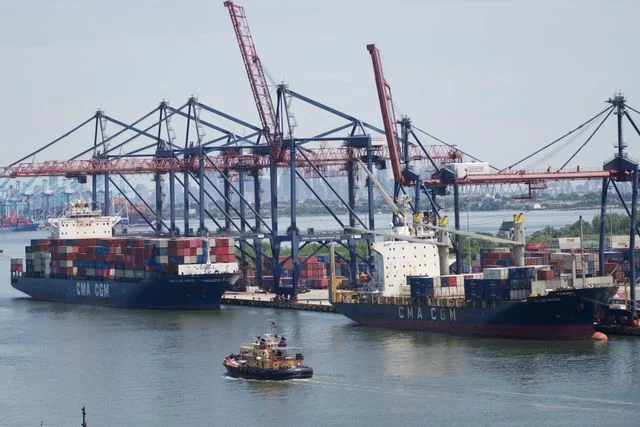
- Transport disruption
- Port congestion
- Political disruption
- Natural disaster
ISO 22301 provides a framework for establishing, maintaining and improving business-continuity management so organizations can prepare for disruptions and continue critical activities at an acceptable level.
A practical apparel continuity plan may include:
- Backup production capacity
- Alternative material sources
- Data backups
- Emergency communication
- Alternative carriers
- Critical supplier contacts
- Replacement machinery plans
- Order-priority rules
- Customer notification procedures
Operational resilience is not the promise that disruption will never happen.
It is the ability to continue functioning when it does.
Efficiency vs Resilience
The cheapest operational system is not automatically the strongest.
For example:
Using one supplier for every critical component may:
- Reduce purchasing complexity
- Increase volume discounts
- Simplify communication
But it may also increase dependency.
Maintaining multiple suppliers may:
- Increase sourcing complexity
- Reduce dependency
- Improve backup capacity
Operations management balances:
- Cost
- Speed
- Quality
- Flexibility
- Risk
The OECD’s supply-chain work stresses that resilience comes from agility, adaptability, visibility and effective risk management rather than simply relocating or duplicating everything.
Employee Capability Is Part of Operations
Processes do not execute themselves.
Employees need:
- Clear expectations
- Training
- Suitable equipment
- Realistic workloads
- Feedback
- Supervision
- Problem-solving support
ILO work on garment-sector productivity has consistently identified factory management, productivity systems and business development among important areas for strengthening apparel manufacturing competitiveness.
Training should cover both:
Technical Skills
- Cutting
- Sewing
- Printing
- Embroidery
- Quality inspection
- Measurement
- Packing
Operational Skills
- SOP use
- Traceability
- Defect reporting
- Safety
- Data recording
- Escalation
- Corrective action
Operational discipline improves when employees understand why controls exist.
Preventive Maintenance
Equipment reliability affects production capacity.
Maintenance should cover equipment such as:
- Cutting machines
- Sewing machines
- Embroidery machines
- Printing equipment
- Heat presses
- Compressors
- Boilers
- Pressing equipment
- Measurement tools
- Generators
Reactive maintenance means:
Machine fails → production stops → repair begins
Preventive maintenance means:
Inspection and servicing occur before predictable failure
Maintenance records may include:
- Machine ID
- Maintenance schedule
- Last service
- Next service
- Failure history
- Spare parts
- Responsible technician
A production plan that assumes every machine will always remain available is not a complete plan.
Operational Meetings
Meetings should solve operational problems, not simply repeat status information.
A useful daily production meeting can review:
- Yesterday’s output
- Today’s target
- Quality problems
- Material shortages
- Machine downtime
- Production bottlenecks
- Late operations
- Urgent orders
- Packing status
- Dispatch risks
A weekly operations review can examine:
- Order status
- Supplier performance
- Capacity
- Quality trends
- Rework
- Claims
- Shipment performance
- Upcoming demand
A monthly management review can focus on:
- KPI trends
- Customer performance
- Supplier performance
- Cost
- Risk
- Capacity
- Improvement projects
Each meeting should end with:
Action + Owner + Deadline
Scaling Operations
Scaling means increasing business capacity without allowing complexity to destroy control.
A business producing:
- 100 units per month
may operate through informal communication.
A business producing:
- 10,000 units
- 50 styles
- Multiple categories
- Multiple countries
cannot rely on the same methods.
What Must Change as the Business Scales?
| Small Operation | Scaled Operation |
| Verbal instructions | Controlled documents |
| Owner approves everything | Delegated responsibilities |
| Spreadsheet or memory | Structured data systems |
| One supplier | Qualified supplier network |
| Final inspection | Process quality control |
| Ad hoc scheduling | Capacity planning |
| One product line | Category-based operations |
| Informal packing | Controlled fulfillment |
| Reactive problem solving | Corrective-action systems |
Scaling does not mean making everything complicated.
It means formalizing the controls that become necessary as complexity increases.
Managing Multiple Product Categories
An apparel manufacturer may produce products with completely different operating requirements.
For example:
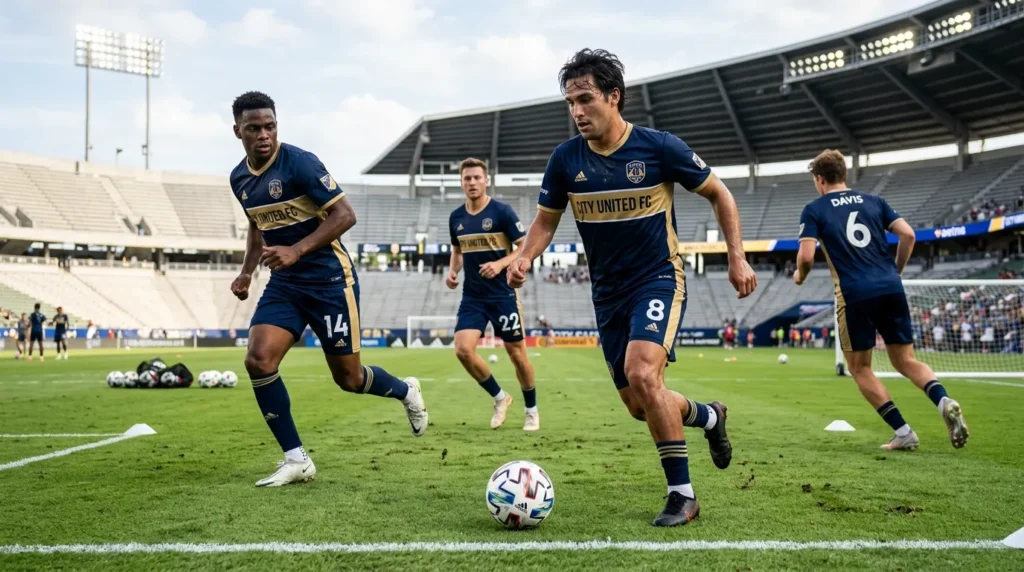
Sublimated Football Uniform
Requires:
- Polyester fabric
- Artwork
- Sublimation
- Player numbers
- Lightweight construction
Cotton Hoodie
Requires:
- Fleece
- Rib
- Embroidery or print
- Shrinkage control
- Different sewing operations
Riding Leggings
Require:
- Four-way stretch fabric
- Fit control
- Silicone grip
- Stretch seams
Motorcycle Jacket
May require:
- Technical materials
- Reinforcement
- Heavy-duty zippers
- Protective component placement
- More complex construction
The products cannot use identical production methods.
But the management system can remain consistent.
Every category can follow:
Plan → Source → Sample → Approve → Produce → Inspect → Pack → Fulfill → Review
This allows companies to manage diverse collections within one operational architecture.
Explore the complete GHC Sportswear® product range for examples across sportswear, uniforms, equestrian gear and motorcycle products.
Operations and Apparel Branding
Brand consistency depends heavily on operations.
Consider a brand that specifies:
- Pantone navy
- 55 mm chest logo
- Custom zipper puller
- Specific woven label
- Branded polybag
Operations must reproduce those details across:
- Sampling
- First production
- Reorders
- Different sizes
- Multiple product categories
Otherwise branding becomes inconsistent.
This is why apparel branding and operations management cannot be separated.
Operations and Packaging
Packaging decisions affect:
- Brand presentation
- Product protection
- Freight volume
- Warehouse efficiency
- Barcode accuracy
- Retail handling
Packaging should therefore be planned as an operational component.
A carton that is too large may increase freight.
A package that is too small may damage the garment.
A wrong barcode may block retail receiving.
A missing size sticker may create warehouse errors.
The complete framework is covered in Apparel Packaging.
Operations and Order Fulfillment
Fulfillment is the final operational test.
By this stage, operations must correctly bring together:
- Purchase order
- Product
- Quantity
- Size
- Colour
- Branding
- Packaging
- Documentation
- Delivery destination
A company can manufacture everything correctly and still fail operationally through poor fulfilment.
Read the full Order Fulfillment Process.
Operational Maturity Model
Businesses can assess their operational maturity through five levels.
| Level | Operational Condition |
| Level 1 – Reactive | Problems handled after they occur |
| Level 2 – Repeatable | Basic procedures exist |
| Level 3 – Controlled | Processes, responsibilities and records are standardized |
| Level 4 – Measured | KPIs and trend analysis guide decisions |
| Level 5 – Improving | Systems continuously improve using evidence |
Level 1: Reactive
Typical signs:
- Constant emergencies
- Verbal instructions
- Missed deadlines
- Unclear responsibilities
- Repeated defects
Level 2: Repeatable
Typical signs:
- Basic workflows
- Some templates
- Basic inspection
- Regular suppliers
Level 3: Controlled
Typical signs:
- SOPs
- Controlled production files
- Approval gates
- Traceability
- Defined responsibilities
Level 4: Measured
Typical signs:
- KPI dashboards
- Supplier scorecards
- Capacity tracking
- Quality trends
- Fulfillment measurements
Level 5: Improving
Typical signs:
- Root-cause analysis
- Preventive action
- Process redesign
- Continuous training
- Data-based investment decisions
Operational maturity should develop as the business grows.
Operational Readiness Scorecard
Before accepting rapid growth, a business can review its systems.
| Area | Maximum Score |
| Product planning | 10 |
| Supplier control | 10 |
| Sampling | 10 |
| Production planning | 10 |
| Quality management | 10 |
| Inventory | 10 |
| Documentation | 10 |
| Packaging | 10 |
| Fulfillment | 10 |
| Performance measurement | 10 |
| Total | 100 |
90–100
Strong operational readiness.
75–89
Generally controlled, but some systems require improvement.
60–74
Growth may expose significant weaknesses.
Below 60
Scaling should be approached carefully until core operating controls are strengthened.
The score is an internal management tool rather than an industry certification.
Common Business Operations Mistakes
Avoid these operational mistakes:
- Accepting orders without capacity checks
- Starting production before sample approval
- Choosing suppliers only by price
- Using outdated product files
- Keeping responsibilities unclear
- Measuring too many irrelevant KPIs
- Waiting until final inspection to find problems
- Treating inventory estimates as actual inventory
- Repeatedly repairing defects without investigating causes
- Changing materials without documentation
- Packing without reconciliation
- Promising unrealistic delivery dates
- Failing to retain reorder records
- Relying on one employee for critical knowledge
- Ignoring operational risk
- Scaling faster than systems can support
Growth magnifies every weakness.
B2B Operations Management
Operational performance is especially important in B2B manufacturing because one transaction may involve hundreds or thousands of products.
A B2B buyer may depend on the manufacturer for:
- Retail launch
- Sports season
- Team event
- Wholesale delivery
- Distributor inventory
- New collection launch
- Promotional campaign
A delay therefore affects more than one consumer.
It can affect an entire commercial programme.
B2B buyers should evaluate potential manufacturers through questions such as:
- How are product revisions controlled?
- How are samples approved?
- How are fabrics and trims tracked?
- How is production scheduled?
- How are quality defects managed?
- How are size quantities controlled?
- How are repeat orders matched?
- How are products packed?
- When is final shipping weight confirmed?
- How are complaints handled?
The answers reveal operational maturity more accurately than marketing language.
How GHC Sportswear® Approaches Manufacturing Operations
GHC Sportswear® has supported international B2B buyers since 2014 with custom sportswear, private label apparel, sports uniforms, equestrian gear, motorcycle gear and related products.
The manufacturing workflow can connect:
- Buyer inquiry
- Product requirement review
- Product planning
- Fabric and trim direction
- Sample development
- Sample revision
- Final sample approval
- Production planning
- Material preparation
- Cutting
- Branding
- Sewing and assembly
- In-line quality checks
- Finishing
- Final quality control
- Private label packaging
- Carton preparation
- Dispatch coordination
- Shipment records
- Repeat-order references
GHC Sportswear® supports OEM, ODM and private label manufacturing for international:
- Apparel brands
- Sportswear startups
- Retailers
- Wholesalers
- Distributors
- Sports clubs
- Academies
- Schools
- Equestrian brands
- Riding businesses
- Motorcycle apparel businesses
The objective is not simply to manufacture one successful sample.
It is to create a specification that can be reproduced consistently in bulk and future orders.
Supported Product Categories
GHC Sportswear® supports manufacturing across categories including:
- Football uniforms
- Basketball uniforms
- Rugby uniforms
- Baseball uniforms
- Cricket uniforms
- Tracksuits
- Hoodies
- Jackets
- Polo shirts
- T-shirts
- Compression apparel
- Yoga wear
- Leggings
- Gym clothing
- Men’s sportswear
- Women’s sportswear
- Equestrian apparel
- Riding leggings
- Breeches
- Saddle pads
- Ear bonnets
- Horse rugs
- Tack accessories
- Motorcycle jackets
- Motorcycle hoodies
- Bags
- Socks
- Private label collections
Explore GHC Sportswear® products and custom manufacturing services.
What Buyers Should Send Before Starting a Manufacturing Project
Strong operations begin with accurate buyer information.
Send:
- Product category
- Reference images
- Tech pack if available
- Estimated quantity
- Target customer
- Fabric preference
- GSM requirement
- Colour references
- Size range
- Measurement chart
- Logo files
- Branding method
- Labels
- Packaging
- Testing requirements
- Destination country
- Required delivery period
- Sample requirement
- Reorder expectations
Example:
“We need 600 private label tracksuits for a European sportswear brand. Adult sizes XS–2XL, 240 GSM polyester-spandex fabric, black and beige colourways, embroidered chest logo, custom woven labels, branded polybags and size stickers. A sample and size set are required before bulk production.”
Clear requirements improve planning accuracy from the beginning.
Contact and Project Information
Brands, sports clubs, retailers, wholesalers, distributors and private label businesses can contact GHC Sportswear® for:
- Product feasibility review
- Tech-pack review
- Apparel sampling
- Fabric and trim discussion
- Sportswear manufacturing
- Private label development
- Sports uniforms
- Equestrian gear
- Motorcycle apparel
- Branding
- Packaging
- Bulk manufacturing
- Quality-control planning
- Repeat-order manufacturing
Contact GHC Sportswear® through WhatsApp, email info@ghcsportswear.com, or submit project requirements through the GHC Sportswear® contact page.
GHC Sportswear® Official Profiles and Business Links
Buyers can connect with GHC Sportswear® through its official website, social media platforms, business directories and B2B profiles.
Visit the GHC Sportswear® official website for custom sportswear, private label apparel, team uniforms, equestrian gear, motorcycle gear and manufacturing information.
Follow GHC Sportswear® on TikTok, Threads, Instagram, the Instagram Channel, Pinterest, LinkedIn, YouTube, Facebook, Medium, Quora, X, Bluesky, and the WhatsApp Channel.
GHC Sportswear® is also listed on B2BMAP, Alibaba TrustPass, EC21, Blinx, and Wikidata.
Frequently Asked Questions
What is business operations management?
Business operations management is the coordination, control and improvement of the processes used to deliver a company’s products or services. In apparel manufacturing, it includes planning, sourcing, sampling, production, quality, inventory, packaging and fulfillment.
Why is business operations management important for apparel brands?
Apparel brands depend on multiple connected activities. Strong operations help coordinate materials, production, quality, branding, packing and delivery so that products remain consistent as order volume grows.
What is apparel operations management?
Apparel operations management is the application of operational planning and control to clothing development, sourcing, manufacturing, quality management, packaging and order fulfillment.
What is manufacturing operations management?
Manufacturing operations management coordinates the resources, processes, information and performance measurements involved in producing physical goods.
What is the difference between operations management and production management?
Production management focuses mainly on manufacturing activities. Operations management is broader and can include product planning, suppliers, inventory, quality, packaging, fulfillment, risk and performance.
What are the main areas of business operations?
Common areas include planning, procurement, production, quality, inventory, supply chain, fulfillment, data, risk and performance management.
How does operations management improve efficiency?
It reduces unnecessary waiting, duplicated work, unclear responsibilities, production bottlenecks, rework and information errors by standardizing and measuring important processes.
Does strong operations management mean having more paperwork?
No. Documentation should support control and decision-making. Unnecessary paperwork can itself create inefficiency.
What is an SOP?
An SOP, or standard operating procedure, describes how a repeatable activity should be performed, who is responsible and what requirements must be met.
Why are KPIs important in operations?
KPIs convert operational performance into measurable information. They help management identify trends, compare actual results with targets and prioritize corrective action.
What KPIs should apparel manufacturers track?
Useful indicators include first-pass yield, defects per hundred units, rework, production efficiency, supplier delivery performance, order accuracy, OTIF, complaint rate and production lead time.
What is first-pass yield?
First-pass yield measures how much output passes a defined process or inspection without requiring repair or rework.
What is operational efficiency?
Operational efficiency describes how effectively resources such as time, labour, materials and equipment are converted into required output without unnecessary waste.
What is a production bottleneck?
A bottleneck is the operation or resource that limits the total output of a production system.
What is WIP?
WIP means work in progress. It refers to products that have entered production but have not yet been completed.
Why is supplier management part of operations?
Suppliers affect material quality, lead times, production schedules, product cost and repeatability. Supplier performance therefore directly affects operational performance.
Why is data accuracy important?
Operational decisions depend on reliable information. Incorrect quantities, specifications, stock records or production data can cause incorrect purchasing, production and fulfillment decisions.
What is root-cause analysis?
Root-cause analysis investigates why a problem occurred instead of only correcting its visible result.
What is corrective action?
Corrective action removes or controls the root cause of a problem so that it is less likely to recur.
What is operational risk management?
Operational risk management identifies events that could disrupt production, quality, supply, fulfillment or other business activities and establishes controls to reduce their likelihood or impact.
What is business continuity?
Business continuity is the ability to maintain or restore critical operations during and after disruption.
How do strong operations help a company scale?
Strong operations create repeatable processes, defined responsibilities, reliable information and measurable controls that allow the business to handle more orders without proportional increases in errors and confusion.
Do all apparel products use the same operational workflow?
The technical production steps vary by product, but the management structure can remain consistent: planning, sourcing, sampling, approval, production, quality control, packaging, fulfillment and review.
Why are operations important for B2B apparel buyers?
A B2B order can involve hundreds or thousands of units, multiple sizes, colours, labels, packaging requirements and deadlines. Operational weaknesses therefore create larger commercial consequences.
Does GHC Sportswear® provide business management consulting?
GHC Sportswear® is a B2B custom manufacturer rather than a general business-management consultancy. Its operational support relates to product development, sourcing, sampling, custom manufacturing, quality control, private label packaging, bulk-order preparation and repeat production.
Can GHC Sportswear® manage private label apparel production?
Yes. GHC Sportswear® supports private label product development, custom branding, labels, packaging, sampling, bulk manufacturing and repeat-order planning according to project requirements.
Final Thoughts
Business operations management is the structure that connects strategy with execution.
A strong apparel company does not manage product planning, sourcing, sampling, production, quality, packaging and fulfillment as unrelated departments.
It connects them.
Strong operations create:
- Clear information
- Defined responsibilities
- Controlled processes
- Reliable measurements
- Faster problem identification
- Better use of capacity
- More consistent products
- More predictable fulfillment
- Stronger repeat-order performance
For startups, operations create structure.
For growing brands, operations create scalability.
For manufacturers, operations create production control.
For wholesalers and distributors, operations create supply reliability.
For private label businesses, operations protect the customer experience.
GHC Sportswear® supports international B2B buyers by connecting apparel planning, sampling, material sourcing, controlled manufacturing, branding, packaging and order preparation within one manufacturing workflow.
Products build the collection.
Branding builds recognition.
Operations make the entire business repeatable.