Sports Bra Myths: Essential Facts for Better Support
Sports bra myths are common because many buyers choose sports bras based on assumptions instead of fit, activity level, fabric, construction, and support needs. Some people believe tighter always means better support. Others think all sports bras work the same way. Some assume low-impact activity does not require support at all. These myths can lead to discomfort, poor movement control, skin irritation, reduced confidence, and weak product performance.
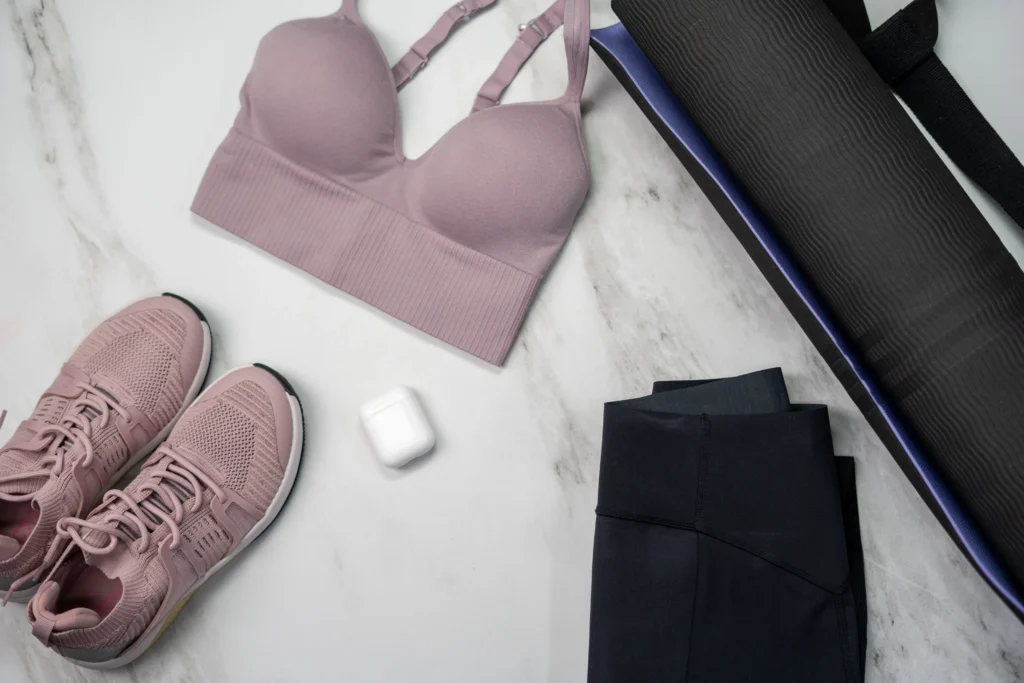
A good sports bra is not just a small activewear item. It is a technical garment. It must manage movement, pressure, sweat, stretch, coverage, support, and comfort at the same time. That makes sports bra development important for athletes, gym users, yoga brands, sportswear startups, private label businesses, wholesalers, and women’s activewear manufacturers.
For B2B buyers, the topic is even more serious. A sports bra line that looks good in product photos but fails during running, HIIT, gym training, yoga, or team workouts can damage customer trust quickly. Fit complaints, poor support, rolling bands, painful straps, weak fabric recovery, and inconsistent sizing are some of the most common reasons customers reject activewear products.
GHC Sportswear® works with sportswear brands, fitness businesses, private label startups, gyms, retailers, wholesalers, and women’s activewear buyers that need custom sports bras, gym wear, yoga wear, compression apparel, and size-inclusive sportswear manufacturing.
For the full manufacturing process, read the Custom Sportswear Manufacturing Guide by GHC Sportswear®.
Why Sports Bra Support Matters
Sports bra support matters because breast movement during exercise can cause discomfort and affect how confident someone feels during activity. The Research Group in Breast Health at the University of Portsmouth has published extensively on breast biomechanics, bra science, and breast health. Their work shows that sports bras are not simply fashion products; they are performance garments that need proper testing and design.
Sports Medicine Australia also explains that physical activity involving running, jumping, and forceful arm movements causes breast movement, commonly called breast bounce. It also notes that during one hour of running, breasts can bounce around 10,000 times.
That is why support level, fit, band strength, straps, cup structure, fabric recovery, and activity type all matter.
A sports bra should help reduce unwanted movement without causing pain, breathing restriction, shoulder pressure, or skin irritation. Better support does not mean crushing compression. It means controlled movement, stable fit, and comfort.
Quick Table: Sports Bra Myths vs Facts
| Sports Bra Myth | The Fact |
|---|---|
| Tighter always means better support | Too tight can restrict breathing and cause discomfort |
| All sports bras are the same | Different activities need different support levels |
| Low-impact workouts do not need support | Even low-impact movement can cause discomfort without support |
| Sports bras last forever | Elastic, fabric, and support reduce with wear and washing |
| Larger cup sizes cannot get support | Correct design can support larger cup sizes |
| A sports bra should flatten the chest | Support should control movement without painful flattening |
| Regular bras work for exercise | Regular bras are not built for sports movement |
| Fabric does not matter | Fabric affects sweat, stretch, recovery, and comfort |
| One size chart fits every body | Fit testing and grading are essential |
| Custom sports bras are only for fashion | Custom development improves fit, branding, support, and market positioning |
Myth 1: Tighter Sports Bras Provide Better Support
One of the most common sports bra myths is that a tighter bra automatically provides better support. This is not true.
A sports bra should feel secure, but it should not feel restrictive. If the band digs into the ribs, the straps leave deep marks, or the wearer cannot breathe comfortably, the bra is too tight. Over-tight compression can reduce comfort and make workouts harder.
Support comes from a combination of factors:
- band stability
- strap design
- cup construction
- fabric recovery
- seam placement
- compression level
- encapsulation level
- correct sizing
- activity-specific design
A sports bra that is too tight may create pressure but not proper support. The goal is movement control, not discomfort.
Correct Fit Signs
| Fit Area | Good Sign | Problem Sign |
| Band | Stays level and secure | Rides up or digs in |
| Straps | Stay in place without pain | Dig into shoulders |
| Cups | Hold breast tissue without gaps | Spillage or empty space |
| Movement | Controls bounce | Excessive movement |
| Breathing | Feels secure but breathable | Restricts breathing |
| Fabric | Recovers after stretch | Stretches out quickly |
For brands manufacturing custom sports bras, fit testing is essential. A product should be tested through movement, not only measured on a table.
Myth 2: All Sports Bras Are the Same
All sports bras are not the same. A yoga bra, running bra, gym bra, compression bra, high-impact bra, plus-size sports bra, and fashion crop top may look similar online, but they perform differently.
Sports bras are usually developed around support levels:
- low support
- medium support
- high support
They may also use different support systems:
- compression
- encapsulation
- combination support
Compression bras press breast tissue closer to the chest. Encapsulation bras support each breast separately through cup structure. Combination bras use both methods and are often preferred for higher-impact activity or larger cup sizes.
Sports Bra Types by Activity
| Activity | Suggested Support Direction | Common Product Type |
| Yoga | Low to medium support | Soft stretch bra |
| Walking | Low to medium support | Compression or light support bra |
| Pilates | Low to medium support | Flexible comfort bra |
| Weight training | Medium support | Compression or hybrid bra |
| HIIT | High support | Combination support bra |
| Running | High support | Encapsulation or hybrid bra |
| Team sports | Medium to high support | Secure performance sports bra |
| Cycling | Medium support | Breathable stretch bra |
For women’s activewear buyers, product development should begin with activity level. A sports bra made for yoga should not be marketed as a running bra unless it has the construction to handle high-impact movement.
GHC Sportswear® supports custom women’s activewear and sportswear through its custom women’s sportswear manufacturing category.
Myth 3: You Do Not Need a Sports Bra for Low-Impact Activities
Some people think sports bras are only necessary for running, HIIT, aerobics, or team sports. That is another myth.
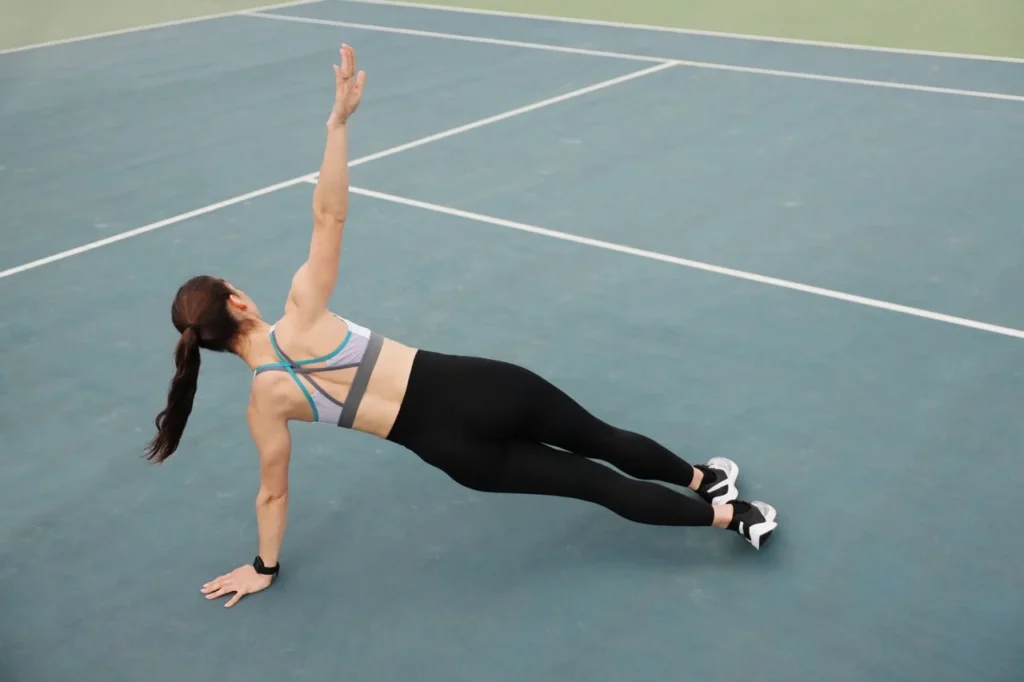
Low-impact movement may create less bounce, but support can still improve comfort. Yoga, stretching, walking, Pilates, gym warmups, and casual training can still involve breast movement, skin contact, fabric friction, and posture changes.
The level of support may be lower, but the need for comfort remains.
A low-impact sports bra should focus on:
- soft fabric
- gentle support
- breathable construction
- stretch recovery
- easy movement
- no digging straps
- smooth seams
- comfortable coverage
For yoga and studio brands, sports bras are often part of matching sets with leggings, shorts, and tops. GHC Sportswear® supports custom wholesale women’s yoga wear manufacturing for brands developing yoga apparel and activewear sets.
Myth 4: Sports Bras Do Not Need to Be Replaced Often
Sports bras do not last forever. The support system depends on elastic, fabric recovery, stitching, band stability, strap strength, and cup structure. All of these can weaken through use, sweat, washing, and repeated stretching.
A sports bra may need replacement when:
- the band rides up
- the straps stretch out
- support feels reduced
- fabric becomes thin
- seams start failing
- elastic feels loose
- cups lose shape
- the bra no longer controls movement
- the product feels uncomfortable compared with new bras
The common 6–12 month replacement advice depends on frequency of wear, washing method, activity intensity, and fabric quality. A bra used daily for running may wear out faster than one used weekly for yoga.
Sports Bra Replacement Checklist
| Sign | What It Means |
| Band is loose | Reduced support |
| Straps no longer hold | Weak elastic |
| Fabric feels thin | Reduced durability |
| Bra rides up | Poor band stability |
| More bounce than before | Support has weakened |
| Stretched seams | Construction stress |
| Odor remains after washing | Fabric may be worn or poorly managed |
| Shape is distorted | Recovery has failed |
For sportswear brands, durability testing matters. A sample should be checked after washing and stretch cycles before bulk approval.
Myth 5: Larger Breasts Cannot Get Enough Support From Sports Bras
This myth is damaging because it makes many women believe discomfort is unavoidable. Larger cup sizes can absolutely get support, but the sports bra must be designed correctly.
For larger bust support, design details matter more.
Useful features may include:
- wider straps
- wider underband
- full coverage cups
- encapsulation structure
- adjustable straps
- hook-and-eye closure
- stronger elastic
- high-recovery fabric
- reinforced seams
- stable neckline
- breathable lining
- anti-chafe construction
A simple crop top-style compression bra may not be enough for high-impact training in larger cup sizes. That does not mean sports bras cannot support larger busts. It means the design must match the support need.
GHC Sportswear® also covers inclusive fit planning in its plus-size custom sportswear guide, which explains size range, support, waistband comfort, fabric opacity, and movement-based design.
Myth 6: A Sports Bra Should Flatten Your Chest
Some people believe a sports bra must flatten the chest completely to be supportive. This is not correct.
Compression is one type of support, but over-compression can be uncomfortable. A good sports bra should control movement while maintaining comfort. It should not create pain, breathing restriction, shoulder pressure, or unnatural flattening that makes the wearer uncomfortable.
For many activities, combination support works better than pure compression. This is especially true for larger cup sizes or high-impact sports.
Compression vs Encapsulation vs Hybrid Support
| Support Type | How It Works | Best Use |
| Compression | Presses breast tissue toward chest | Low to medium impact |
| Encapsulation | Supports each breast separately | Medium to high impact |
| Hybrid | Uses both compression and cup support | High impact and larger cup sizes |
For custom sports bra manufacturing, the buyer should define the support type early. This affects pattern, fabric, lining, strap design, closures, and cost.
Myth 7: You Can Wear a Regular Bra as a Sports Bra
A regular bra is designed for everyday wear, not repeated athletic movement. It may not manage bounce, sweat, stretch, friction, or high-impact movement properly.
Regular bras may fail during exercise because they often lack:
- performance fabric
- sweat management
- stronger support structure
- movement-tested straps
- stable underband
- anti-chafe seams
- high-recovery stretch
- activity-specific cup design
A sports bra is designed to reduce unwanted movement and improve exercise comfort. That difference matters for running, gym training, dance, tennis, football, basketball, cycling, and fitness classes.
For teams, gyms, and women’s activewear brands, sports bras should be treated as performance products, not only fashion accessories.
Myth 8: Fabric Does Not Matter in Sports Bras
Fabric matters a lot. Sports bras sit close to the skin and handle sweat, stretch, heat, friction, and repeated washing. Poor fabric can make even a good pattern fail.
Sports bra fabrics should be selected for:
- stretch recovery
- sweat control
- breathability
- softness
- opacity
- compression level
- durability
- washing performance
- colorfastness
- lining comfort
Synthetic blends such as nylon-spandex and polyester-spandex are common in sports bras because they can provide stretch, support, and recovery. Natural or blended fabrics may work for low-impact comfort bras, but high-support bras usually need performance stretch fabrics.
For a deeper comparison of material choices, read GHC Sportswear®’s guide on synthetic vs natural fabrics in sportswear.
Fabric Comparison for Sports Bras
| Fabric Type | Strength | Limitation |
| Nylon-spandex | Smooth, stretchy, strong recovery | Can cost more |
| Polyester-spandex | Durable, printable, moisture-wicking | Hand feel varies by quality |
| Cotton blend | Soft and familiar | May retain sweat |
| Mesh paneling | Adds ventilation | Must be placed carefully |
| Compression knit | Better support | Can feel restrictive if overused |
Sports bras should be tested in movement, not judged only by fabric name.
Myth 9: One Size Chart Works for Every Sports Bra Style
Size charts are useful, but they do not solve everything. Two sports bras with the same size label can fit differently depending on fabric, pattern, closure, cup shape, support level, strap design, and stretch percentage.
A low-impact yoga bra and a high-impact running bra should not fit exactly the same. One may need more flexibility, while the other needs more control.
Sports bra sizing should consider:
- band size
- cup size
- bust measurement
- underbust measurement
- stretch percentage
- recovery after wear
- strap adjustability
- body shape differences
- activity level
- plus-size grading
For private label sportswear brands, grading must be checked carefully. A pattern that works in size small may fail in XL or plus sizes if it is only scaled without fit review.
Myth 10: Custom Sports Bras Are Only About Design
Custom sports bras are not only about colors, logos, and prints. Design matters, but technical development matters more.
Custom sports bra development can include:
- support level planning
- fabric selection
- pattern development
- cup structure
- lining choice
- strap design
- elastic selection
- closure choice
- logo placement
- size range development
- sample testing
- wash testing
- packaging
- private label branding
A custom sports bra can help brands create better products for specific markets. A yoga brand may need soft low-impact bras. A running brand may need high-support bras. A gym brand may need medium to high support with sweat-wicking fabric. A plus-size activewear brand may need wider bands, stronger straps, and extended size testing.
For private label startups, the Private Label Apparel Manufacturing Guide explains labels, MOQ, sampling, branding, packaging, and bulk production planning.
How to Choose the Right Sports Bra
Choosing the right sports bra requires more than picking a color and size. A proper choice depends on body, activity, impact level, support need, and fabric preference.
1. Choose by Activity Level
Low-impact activities need comfort and gentle support. High-impact sports need stronger movement control.
| Impact Level | Activities | Sports Bra Direction |
| Low impact | Yoga, walking, stretching | Soft support, comfort fabric |
| Medium impact | Weight training, cycling, Pilates | Moderate support, flexible structure |
| High impact | Running, HIIT, basketball, football | Strong band, high support, hybrid design |
2. Check the Band
The band provides a major part of the support. It should sit level around the body and stay in place during movement.
A band that rides up usually means the fit is wrong or the elastic has weakened.
3. Check the Straps
Straps should support without digging into the shoulders. Wider or adjustable straps may help for higher support products and larger cup sizes.
4. Check Coverage
The sports bra should contain the breast tissue without spillage from the top, side, or underarm area. Full coverage may be important for high-impact use.
5. Test Movement
Before approval or purchase, movement testing is necessary. Jump, stretch, twist, reach overhead, and simulate the target activity. If the bra moves too much, digs, or restricts breathing, it needs adjustment.
For brands, this means sample testing is not optional. Fit approval should happen before bulk production.
Sports Bra Manufacturing Checklist for Brands
| Development Step | What to Confirm |
| Target activity | Yoga, gym, running, team sport, lifestyle |
| Support level | Low, medium, high |
| Fabric | Nylon-spandex, polyester-spandex, mesh, lining |
| Construction | Compression, encapsulation, hybrid |
| Band | Width, elastic strength, comfort |
| Straps | Fixed, adjustable, racerback, wide straps |
| Cups | Removable pads, molded cups, lined cups |
| Size range | Standard, plus-size, extended sizing |
| Branding | Logo placement, labels, packaging |
| Testing | Movement, wash, stretch, opacity, support |
| Bulk production | Size consistency and QC |
A sports bra should not move from idea to bulk production without sampling and fit review.
Sports Bras for Activewear Brands
Sports bras are a key product category for activewear brands because they connect performance, comfort, and visual identity. They are often sold alone or as part of matching sets with leggings, shorts, jackets, and training tops.
Brands can develop:
- low-impact yoga bras
- medium-support gym bras
- high-impact running bras
- compression sports bras
- padded sports bras
- racerback sports bras
- plus-size sports bras
- private label sports bras
- branded gym sets
- sports bra and leggings sets
Buyers can explore more women’s activewear categories through the GHC Sportswear® product range.
Sports Bra Support and Compression Clothing
Sports bras are closely connected to compression apparel because both use stretch, pressure, support, and recovery. However, support should be controlled carefully. More pressure does not always mean better performance.
Compression and support products must balance:
- stretch
- breathability
- pressure
- comfort
- recovery
- seam strength
- movement control
GHC Sportswear® has a dedicated guide on compression clothing for buyers who want to understand compression apparel, performance fabrics, and custom product development.
How GHC Sportswear® Supports Custom Sports Bra Manufacturing
GHC Sportswear® works with women’s activewear brands, gyms, teams, retailers, wholesalers, distributors, and private label startups that need custom sports bras and women’s sportswear manufacturing.
We support:
- custom sports bras
- yoga bras
- gym sports bras
- high-support sports bras
- compression sports bras
- padded sports bras
- plus-size sports bras
- women’s activewear sets
- sports bra and leggings sets
- fabric sourcing
- sampling
- custom labels
- printing and branding
- packaging
- bulk production
- repeat orders
For broader product planning across categories, buyers can also read the Custom Apparel Manufacturing Guide.
GHC Sportswear® also explains wider production support on the services page.
Need Custom Sports Bras for Your Brand?
GHC Sportswear® helps sportswear brands, women’s activewear businesses, fitness labels, gyms, retailers, wholesalers, distributors, private label startups, and apparel buyers develop custom sports bras and women’s sportswear.
We can help with:
- sports bra fabric selection
- low, medium, and high-support designs
- custom sizing
- plus-size sports bras
- yoga wear sets
- gym wear sets
- compression apparel
- private label branding
- labels and packaging
- sampling
- bulk production
If your brand needs custom sports bras designed for comfort, support, movement, and market identity, GHC Sportswear® can help with development, sampling, branding, and manufacturing.
To discuss custom sports bras or women’s activewear production, contact GHC Sportswear® here: Contact GHC Sportswear®.
WhatsApp: https://wa.me/ghcsportswear
Email: info@ghcsportswear.com
Final Thoughts
Sports bra myths create real product and comfort problems. Tighter does not always mean better. All sports bras are not the same. Low-impact activity still needs comfort and support. Regular bras are not designed for exercise. Larger cup sizes can get proper support when the design is correct. Fabric, seams, band strength, straps, and fit testing all matter.
For customers, the right sports bra improves comfort and confidence during movement. For brands, the right sports bra improves product quality, customer trust, and long-term loyalty.
A sports bra should be developed as a technical garment, not only a fashion item. The best results come from the right fabric, correct support level, strong pattern development, realistic sizing, proper testing, and reliable manufacturing.
GHC Sportswear® supports custom sports bra manufacturing for B2B buyers that want performance, comfort, branding, and repeatable production in women’s activewear.