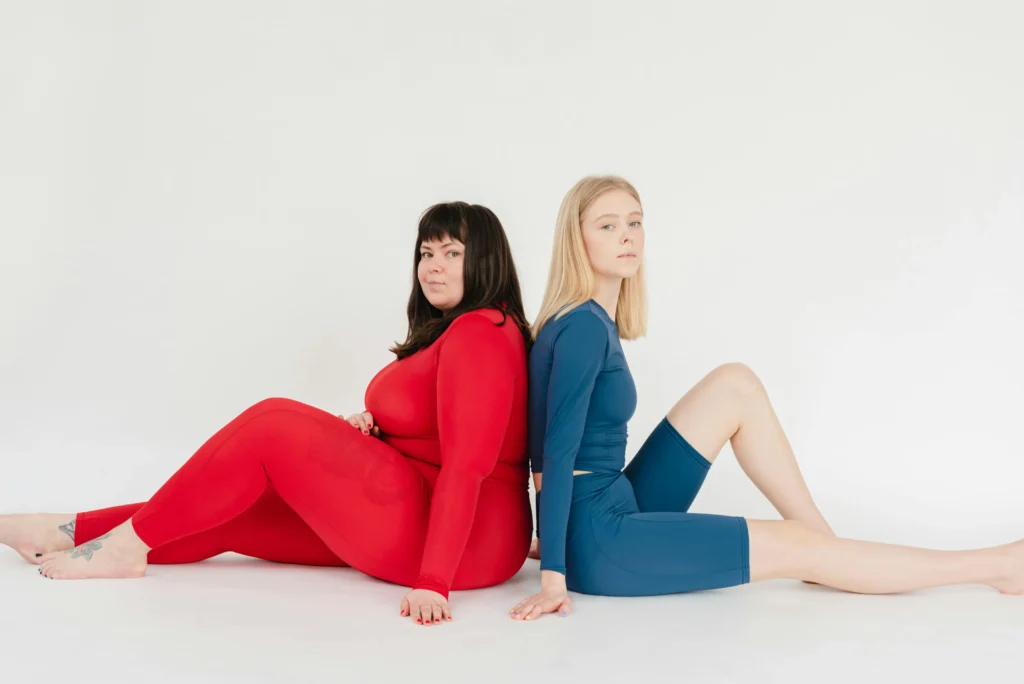
Plus-Size Custom Sportswear: Better Fit, Comfort & Performance for Every Athlete
Plus-size custom sportswear is not just about making larger sizes. It is about creating athletic apparel that fits real bodies, supports movement, manages sweat, reduces discomfort, and helps athletes feel confident during training, competition, and everyday activity.
For many plus-size athletes, standard off-the-rack sportswear does not solve the real problem. The garment may technically be available in a larger size, but the fit may still be wrong. Sleeves may pull. Waistbands may roll. Shirts may ride up. Leggings may become transparent. Seams may rub. Compression may feel uneven. Fabrics may trap heat. The athlete is then forced to adjust the clothing instead of focusing on performance.
That is where plus-size custom sportswear becomes valuable. A custom approach allows brands, teams, gyms, academies, and wholesalers to develop sportswear around fit, fabric, support, movement, and sizing consistency rather than simply scaling a smaller pattern upward.
GHC Sportswear® works with sportswear brands, fitness businesses, teams, clubs, wholesalers, distributors, and private label startups that need inclusive activewear and custom sportswear manufacturing for different body types, markets, and product categories.
For brands planning a wider activewear or gym wear collection, the Custom Sportswear Manufacturing Guide explains the full process behind fabrics, fit, sampling, branding, and bulk sportswear production.
Why Plus-Size Custom Sportswear Matters
The global demand for inclusive sportswear is not a small trend. It reflects a larger reality: athletes and active people come in many body shapes and sizes. Performance apparel should support movement, not limit participation.
The World Health Organization reports that adult obesity prevalence has more than doubled since 1990, and about 16% of adults aged 18 years and older were living with obesity in 2022. The World Obesity Federation has also projected that the number of adults living with obesity may rise from 0.81 billion in 2020 to 1.53 billion by 2035. These figures show that brands cannot ignore size diversity when developing sportswear.
But this topic should never be handled with shame-based language. Plus-size athletes are not asking for “special treatment.” They are asking for apparel that performs properly.
A runner needs shorts that do not ride up. A weightlifter needs compression that supports without cutting into the waist. A yoga participant needs leggings that stretch without becoming see-through. A football player needs a training kit that allows movement without pulling across the chest or shoulders. A gym member needs a top that manages sweat without clinging uncomfortably.
Inclusive sportswear is about access, comfort, confidence, and product quality.
The Real Problem With Standard Plus Sizes
Many brands make the mistake of simply enlarging a smaller pattern. This is called basic size scaling, and it often fails because body proportions do not increase evenly.
A larger athlete may need:
- more room through the chest
- better sleeve shaping
- longer torso coverage
- stronger waist support
- better thigh fit
- wider arm movement
- adjusted rise in bottoms
- reinforced seams
- improved stretch recovery
- better fabric opacity
A standard size chart may not solve these details. This is why plus-size custom sportswear should be developed with real fit planning, not only larger measurements.
Standard Sizing vs Plus-Size Custom Sportswear
| Area | Standard Larger Size | Plus-Size Custom Sportswear |
|---|---|---|
| Pattern | Often scaled from smaller sizes | Built around real movement and proportions |
| Waistband | May roll or dig in | Designed for support and comfort |
| Fabric | May stretch too much and lose opacity | Selected for recovery and coverage |
| Seams | Can rub during movement | Placed to reduce irritation |
| Fit | Often inconsistent across categories | Tested by product type and use case |
| Branding | Same placement as smaller sizes | Adjusted for visibility and comfort |
| Performance | May restrict movement | Built for sport-specific activity |
This is why custom development matters. A plus-size gym top, rugby jersey, yoga legging, tracksuit, compression short, and cycling jersey should not all follow the same fit logic.
Key Features of High-Quality Plus-Size Custom Sportswear
Good plus-size custom sportswear must balance comfort, structure, movement, sweat control, durability, and appearance. The goal is not to hide the body. The goal is to support the athlete.
1. Better Fit and Body Mapping
Fit is the foundation. A garment that looks good on a hanger means nothing if it fails during movement.
Strong fit planning should consider:
- shoulder width
- arm mobility
- chest comfort
- torso length
- waistband position
- thigh movement
- seat comfort
- calf fit
- stretch zones
- seam placement
For plus-size athletes, body mapping helps identify where support, stretch, and coverage are most important. This is especially useful for leggings, compression wear, sports bras, training tops, and performance shorts.
2. Moisture-Wicking Fabrics
Sweat management is essential in activewear. Poor moisture control can cause discomfort, overheating, chafing, and irritation. Plus-size athletes may need fabrics that manage moisture efficiently across larger surface areas and high-movement zones.
Common fabric options include:
- polyester-spandex blends
- nylon-spandex blends
- breathable mesh panels
- lightweight performance knits
- compression fabrics
- moisture-wicking polyester
- high-stretch interlock fabrics
For more fabric education, GHC Sportswear® has a useful guide on moisture-wicking fabrics and how they support sportswear performance.
3. Stretch Recovery
Stretch is not enough. The fabric must recover.
A garment may feel comfortable at first, but if it loses shape after movement or washing, it becomes a problem. Stretch recovery is especially important in plus-size activewear because fabrics are under more tension in movement zones.
Poor recovery causes:
- sagging leggings
- loose knees
- stretched waistbands
- baggy elbows
- loss of compression
- poor shape retention
Better recovery helps garments hold their shape longer.
4. Reinforced Seams
Plus-size sportswear needs strong seams because training, stretching, and repeated washing put pressure on construction.
Reinforced seams are useful for:
- leggings
- compression shorts
- tracksuits
- gym tops
- team uniforms
- cycling apparel
- rugby and contact sportswear
Flatlock seams may also help reduce friction in high-movement products. Seam choice should match the product category.
5. Supportive Waistbands
Waistband design is one of the biggest comfort factors in plus-size activewear. A weak waistband rolls. A narrow waistband digs in. A poorly placed waistband slips during exercise.
A better waistband should:
- stay secure during movement
- avoid sharp pressure
- support without discomfort
- match fabric stretch
- recover after wear
- avoid twisting after washing
This matters for leggings, shorts, joggers, compression tights, and training pants.
6. Opacity and Coverage
Leggings and compression wear must not become see-through when stretched. This is one of the most common complaints in activewear.
Plus-size custom sportswear should use fabric that maintains coverage during:
- squats
- lunges
- cycling movement
- stretching
- yoga poses
- running stride
- weight training
Opacity should be tested during sampling. It should not be guessed from a fabric swatch.
Best Products for Plus-Size Custom Sportswear
Plus-size activewear can cover many product categories. The right product range depends on the buyer’s audience.
| Product | Important Features | Best Buyer Type |
| Gym T-shirts | Breathability, length, shoulder comfort | Gyms, fitness brands, retailers |
| Leggings | Opacity, waistband support, stretch recovery | Activewear brands, yoga brands |
| Compression shorts | Support, anti-chafe seams, recovery | Teams, athletes, gym brands |
| Tracksuits | Comfort, structure, size consistency | Clubs, academies, wholesalers |
| Hoodies | Fit, fabric weight, sleeve comfort | Lifestyle sportswear brands |
| Sports bras | Support, strap comfort, coverage | Women’s activewear brands |
| Team uniforms | Movement, durability, numbers, branding | Teams, schools, academies |
| Cycling apparel | Technical fit, stretch, moisture control | Cycling teams and brands |
Buyers can explore wider sportswear and apparel categories through the GHC Sportswear® product range.
Plus-Size Custom Sportswear for Men
Men’s plus-size sportswear often requires adjustments in shoulder width, chest space, torso length, sleeve length, and waistband comfort. Standard XL or XXL sizing may not fit properly if the product was developed from a slim athletic pattern.
Common men’s plus-size sportswear products include:
- gym T-shirts
- compression tops
- training shorts
- joggers
- tracksuits
- hoodies
- rugby uniforms
- football kits
- cycling jerseys
- team warm-up apparel
GHC Sportswear® supports custom men’s sportswear manufacturing for brands, teams, clubs, and wholesalers that need size-inclusive production.
For men’s activewear, fit should not become shapeless. A good plus-size fit can still look structured, athletic, and clean while providing the room needed for performance.
Plus-Size Custom Sportswear for Women
Women’s plus-size sportswear requires careful development because fit expectations can vary widely across product categories. Leggings, sports bras, yoga tops, gym shorts, compression tights, and tracksuits all need different construction rules.
Key fit areas include:
- bust support
- strap comfort
- waistband height
- hip and thigh movement
- squat-proof opacity
- inseam length
- sleeve comfort
- compression level
GHC Sportswear® supports custom women’s sportswear manufacturing for brands and buyers developing inclusive activewear ranges.
For yoga and stretch-based training products, buyers can also review the custom wholesale women’s yoga wear manufacturing category.
The goal is not simply to make larger leggings or tops. The goal is to develop products that support movement, shape, comfort, and confidence.
Compression Wear for Plus-Size Athletes
Compression wear can support muscle stability, recovery feel, and movement comfort when designed properly. However, compression must be balanced carefully in plus-size sportswear. Too much pressure can become uncomfortable. Too little pressure loses function.
A 2025 systematic review and meta-analysis on compression garments reported that compression garments may help mitigate declines in muscle strength and power after exercise-induced fatigue, although outcomes vary depending on timing, athlete status, and other factors.
This means compression wear should be marketed responsibly. It can be useful, but brands should avoid exaggerated claims. Good product development should focus on fit, comfort, pressure level, recovery feel, and fabric quality.
For more category-specific education, GHC Sportswear® has a dedicated article on compression clothing.
Compression Fit Comparison
| Compression Issue | What Goes Wrong | Better Custom Solution |
| Too tight | Discomfort, restricted movement | Adjust pressure zones |
| Too loose | No support effect | Improve fabric recovery |
| Poor waistband | Rolling or digging | Wider support waistband |
| Weak seams | Splitting under stress | Reinforced stitching |
| Low opacity | See-through stretch | Higher-quality fabric testing |
| Bad grading | Strange fit across sizes | Size-specific pattern review |
Compression wear should not be treated like normal tight clothing. It needs fabric testing, measurement control, and fit approval.
Plus-Size Sportswear for Teams and Clubs
Inclusive sizing is important for teams. A school, academy, club, or sports team may include athletes of many body types. If the team only offers standard sizes, some players may feel uncomfortable or excluded.
Teamwear should be planned with inclusive sizing from the beginning.
Sports team buyers should consider:
- full size ranges
- youth and adult sizes
- men’s and women’s cuts
- relaxed and athletic fit options
- fabric stretch
- jersey length
- shorts fit
- number placement
- sponsor visibility
- reorder planning
For team-specific planning, use the Custom Sports Uniforms Guide. That pillar explains sports uniform fabrics, printing, sizing, numbers, logos, and bulk production for teams, clubs, academies, and brands.
Inclusive teamwear helps every athlete feel part of the same group. A uniform should build identity, not make some athletes feel like an afterthought.
Plus-Size Sportswear for Private Label Brands
Private label brands have a major opportunity in plus-size custom sportswear. Many customers still struggle to find high-performance activewear that fits well, looks modern, and lasts through training.
A private label plus-size activewear line may include:
- leggings
- oversized gym tops
- compression shorts
- sports bras
- tracksuits
- hoodies
- training jackets
- gym sets
- yoga sets
- teamwear options
For startups, the key is focus. Do not launch too many products at once. Start with a strong core range and expand after testing customer response.
The Private Label Apparel Manufacturing Guide explains labels, MOQ, sampling, packaging, branding, and bulk production for startups and apparel brands.
Design Mistakes to Avoid in Plus-Size Custom Sportswear
Many plus-size activewear problems are avoidable. They happen because products are designed without real movement testing.
Common mistakes include:
- scaling smaller patterns without adjusting proportions
- using thin fabric for leggings
- placing seams in high-friction areas
- using narrow waistbands
- ignoring bust support
- choosing weak stretch recovery
- placing logos where they distort
- offering fewer color options in larger sizes
- not testing garments after washing
- skipping plus-size fit samples
One of the most damaging mistakes is treating plus-size products as a secondary category. Customers notice when a brand gives less attention to larger sizes. Inclusive sportswear should be developed with the same quality and design care as every other product.
Plus-Size Custom Sportswear Manufacturing Checklist
| Step | What to Check |
| Product purpose | Gym, yoga, running, teamwear, compression, lifestyle |
| Target wearer | Men, women, unisex, youth, adult, team range |
| Fabric | Stretch, opacity, moisture control, recovery |
| Fit | Shoulder, chest, waist, hip, thigh, length |
| Seams | Anti-chafe placement and reinforcement |
| Waistband | Secure, supportive, comfortable |
| Branding | Logo placement that does not distort |
| Sampling | Plus-size fit sample approval |
| Wash testing | Shape, color, logo, recovery |
| Production | Size consistency across bulk order |
This checklist should be used before approving plus-size sportswear for production.
Why Plus-Size Custom Sportswear Supports Brand Growth
Inclusive sizing is not only a customer service choice. It is a business growth opportunity. Brands that serve more body types can reach more customers and build stronger loyalty.
A brand that offers plus-size custom sportswear can benefit from:
- wider market reach
- better customer trust
- stronger brand reputation
- lower returns from poor fit
- more inclusive teamwear programs
- stronger private label positioning
- better customer retention
Customers remember brands that make them feel considered. A well-fitting product creates confidence. Confidence creates loyalty.
B2B Opportunities in Plus-Size Custom Sportswear
Plus-size custom sportswear can support several B2B buyer groups.
| Buyer Type | Opportunity |
| Sportswear startups | Launch inclusive activewear collections |
| Gyms and fitness brands | Offer member apparel in wider sizes |
| Sports teams | Provide uniforms for all athletes |
| Schools and academies | Improve size access across teams |
| Retailers | Sell better-fitting plus-size activewear |
| Wholesalers | Supply inclusive product ranges |
| Private label brands | Build strong size-inclusive identity |
| Distributors | Offer wider product catalogs |
The market is not only individual athletes. It also includes businesses that need inclusive apparel at scale.
How GHC Sportswear® Supports Plus-Size Custom Sportswear
GHC Sportswear® supports buyers with custom sportswear manufacturing, private label activewear, teamwear, gym wear, yoga wear, compression wear, and bulk apparel production.
We help buyers with:
- product planning
- fabric selection
- plus-size fit development
- sampling
- size chart planning
- custom labels
- printing and embroidery
- packaging
- bulk production
- quality control
- repeat orders
Buyers who need a full manufacturing roadmap can also read the Custom Apparel Manufacturing Guide, which explains product planning, tech packs, sampling, materials, branding, packaging, and production across apparel categories.
GHC Sportswear® also explains wider manufacturing support on the services page.
Need Plus-Size Custom Sportswear for Your Brand or Team?
GHC Sportswear® works with sportswear brands, gyms, teams, clubs, academies, wholesalers, distributors, retailers, private label startups, and fitness businesses that need inclusive custom sportswear manufacturing.
We support:
- plus-size gym wear
- plus-size activewear
- plus-size team uniforms
- plus-size yoga wear
- compression wear
- tracksuits
- hoodies
- training kits
- sports bras
- leggings
- shorts
- private label sportswear
- bulk sportswear production
- custom labels and packaging
If your brand or team needs sportswear that supports real movement, better fit, wider sizing, and consistent production, GHC Sportswear® can help develop plus-size custom sportswear for your market.
To discuss custom sportswear, private label activewear, or bulk production, contact GHC Sportswear® here: Contact GHC Sportswear®.
WhatsApp: https://wa.me/ghcsportswear
Email: info@ghcsportswear.com
Final Thoughts
Plus-size custom sportswear is about more than size expansion. It is about designing athletic apparel for real bodies, real movement, and real performance needs.
Standard off-the-rack products often fail because they are not built around plus-size movement, support, proportion, and comfort. Custom sportswear solves this by improving fit, fabric choice, seam placement, waist support, opacity, moisture control, and sizing consistency.
For athletes, this means better comfort and confidence. For teams, it means more inclusive uniforms. For brands, it creates stronger customer loyalty and wider market reach. For wholesalers and distributors, it creates a better product category with real demand.
GHC Sportswear® supports plus-size custom sportswear for brands, teams, gyms, academies, retailers, wholesalers, and private label businesses that want inclusive apparel without compromising quality, style, or performance.