History of Football: From Ancient Ball Games to the Global Game
The history of football is the story of how a simple ball game became the world’s most powerful sporting language. What began as local kicking games, schoolyard rules, village contests, and community rivalries eventually became a global sport with professional clubs, national teams, international tournaments, billion-dollar media rights, women’s leagues, esports competitions, advanced technology, and custom football kits worn by teams at every level.
Football is not only a game. It is culture, identity, business, design, emotion, politics, community, fashion, and global entertainment.
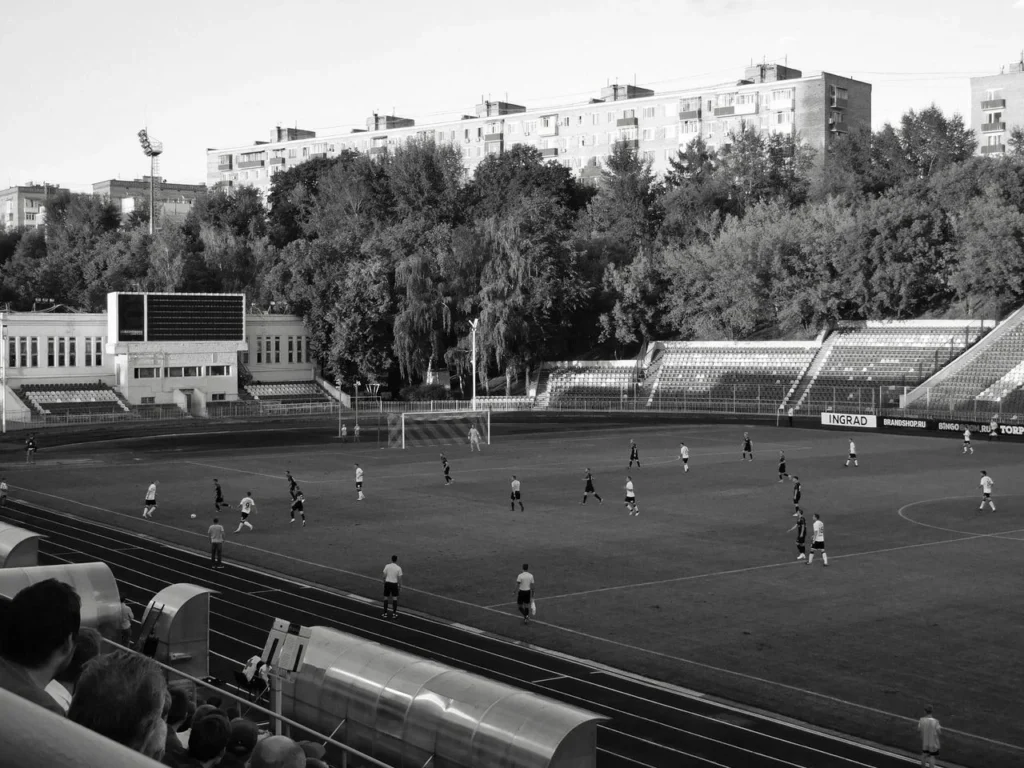
A child kicking a ball in a street, a school team wearing its first custom uniform, a Sunday league club preparing for a final, a professional player walking into a World Cup stadium, and an esports athlete competing in a digital football league are all connected by the same idea: football gives people a team to belong to.
That is why the history of football still matters. It explains why football shirts carry so much meaning. It explains why clubs protect their colors. It explains why fans remember kits, badges, sponsors, stadiums, and historic finals. It also explains why modern football apparel is now a serious part of the sport’s identity.
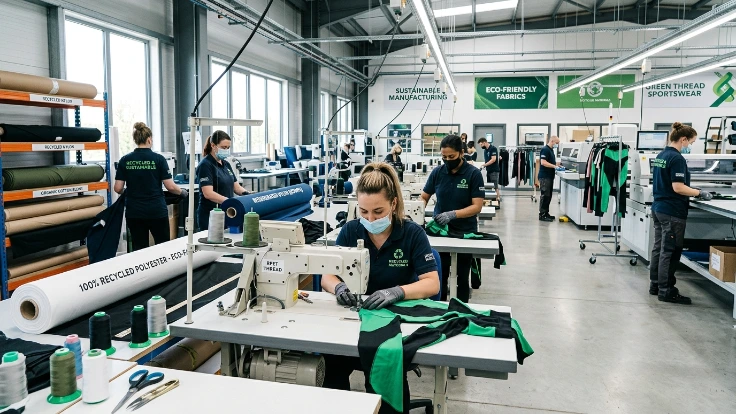
GHC Sportswear® supports clubs, schools, academies, leagues, retailers, wholesalers, distributors, esports teams, and private label brands with custom football uniforms, sports teamwear, fan merchandise, tracksuits, hoodies, and private label sportswear built for modern football culture.
Direct Answer: What Is the History of Football?
The history of football began with ancient ball games played in different cultures, but modern association football was formally codified in England in 1863 when The Football Association was formed and common rules were created. From there, football spread through schools, clubs, workers, sailors, merchants, soldiers, and international competitions before becoming a global sport governed through national associations, FIFA, confederations, leagues, and major tournaments such as the FIFA World Cup.
In simple terms:
- Ancient cultures played early ball-kicking games.
- Medieval communities played rough local football games.
- English schools and clubs helped shape formal rules.
- The Football Association was formed in 1863.
- Clubs, cups, and leagues developed in the late 19th century.
- Football spread globally through trade, travel, empire, and migration.
- FIFA was founded in 1904.
- The first FIFA World Cup was held in Uruguay in 1930.
- Women’s football grew despite major barriers and gained its first FIFA Women’s World Cup in 1991.
- Technology, media, sponsorship, esports, and custom sportswear now shape modern football.
Football started as play. It became a global institution.
Ancient Origins: Football Before Football
The history of football did not begin with professional stadiums or televised tournaments. Long before the modern game, many cultures had ball games involving kicking, carrying, passing, chasing, or scoring.
FIFA Museum explains that association football as we know it was born in London in 1863, but the pre-histories of football stretch much further back through older ball games and cultural traditions.
Early football-like games included:
- Cuju in ancient China, often discussed as one of the earliest known kicking games.
- Harpastum in the Roman world, a physical team ball game.
- Medieval folk football in Europe, often played between villages with very few rules.
- School and university ball games in Britain, which later helped shape modern football rules.
These games were not modern football. They had different rules, different goals, different levels of physical contact, and different cultural meanings. But they show one important truth: people have been drawn to ball games for centuries.
The basic appeal has always been the same.
A ball.
A group of people.
A challenge.
A goal.
A reason to compete.
Medieval Football: Chaos Before Rules
Medieval football was not the polished game fans know today. It was often chaotic, physical, and local. Entire communities could take part, with few limits on player numbers and very loose rules.
In some places, the “pitch” could be a village, a field, a road, or the space between two landmarks. The ball might be kicked, carried, pushed, or fought over. The match could last for hours.
Modern football needed structure because old football was too uncontrolled for schools, clubs, and organized competition.
The problem was simple: everyone had their own rules.
One school allowed handling.
Another school banned it.
One club tolerated heavy physical contact.
Another preferred kicking only.
One group wanted a running game.
Another wanted a passing game.
This confusion eventually led to codification.
1863: The Birth of Modern Football
The most important date in the history of football is 1863.
The Football Association states that The FA was formed in 1863 and that “organised football” or “football as we know it” dates from that time. Ebenezer Cobb Morley, connected with Barnes FC, is widely recognized as a key figure in the formation of The FA and the drafting of early laws.
The goal was clear: establish common rules so clubs could play each other without constant arguments.
This mattered because sport cannot scale without rules. You cannot build leagues, cups, refereeing, records, training, or team identity if every match uses a different system.
The 1863 codification helped separate association football from other football codes, especially rugby-style handling games. Over time, association football became the game most of the world simply calls football.
That moment changed sport forever.
Why Standard Rules Changed Everything
Before common rules, football was local. After common rules, football could become organized.
Standardization allowed:
- Clubs to play each other fairly
- Referees to manage matches
- Competitions to form
- Tactics to develop
- Coaching to improve
- Records to be kept
- Fans to understand the game
- Football to spread internationally
- Equipment and uniforms to become standardized
Rules created reliability. Reliability created competition. Competition created culture.
This is why the Laws of the Game remain so important. IFAB describes itself as the independent guardian of the Laws of the Game for association football.
Football can evolve, but it still needs a shared rulebook.
The Rise of Football Clubs
Once rules became clearer, clubs became more organized. Football moved from informal matches to official teams, regular fixtures, and local competitions.
Early clubs were often connected to:
- Schools
- Churches
- Factories
- Railways
- Working men’s groups
- Universities
- Local communities
- Military groups
- Athletic associations
This created one of football’s strongest traditions: the club as a community identity.
A football club was not only 11 players. It became a symbol of a neighborhood, workplace, city, region, school, or social group.
That identity still exists today. Club colors, badges, shirts, chants, and stadiums all come from this deep community connection.
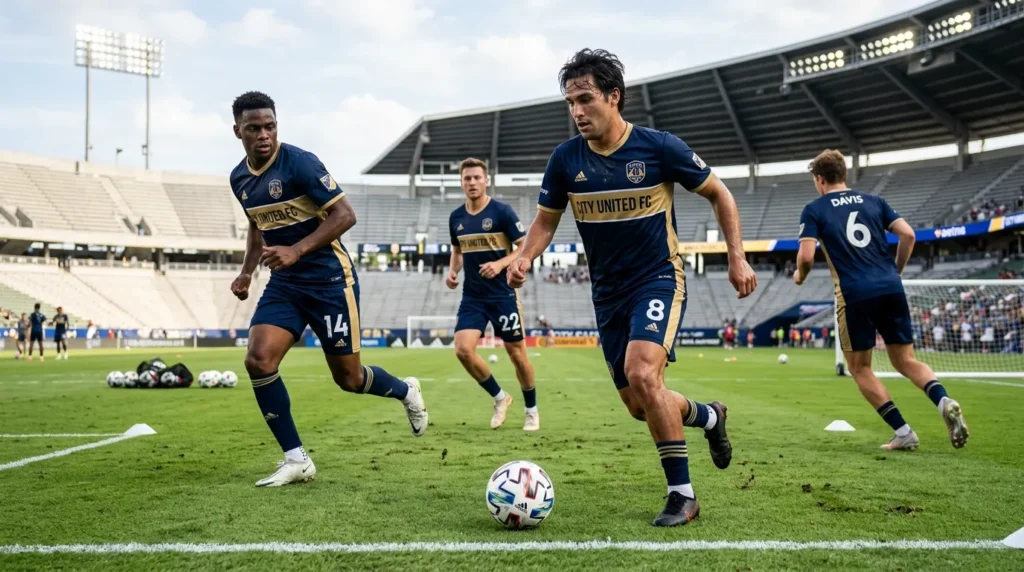
Modern custom football uniforms continue that tradition. A team kit is not just clothing. It represents belonging.
The FA Cup and Competitive Football
Competitive football needed more than friendly matches. It needed tournaments.
The FA Cup became one of the most important early competitions in football history. The FA describes how the creation of The FA and the codification of the game led naturally toward organized cup competition.
Cup football mattered because it created drama:
- Knockout pressure
- Local rivalries
- Underdog stories
- Finals
- Trophies
- Crowds
- Match-day rituals
Football became easier to follow when competitions had structure.
This also increased the importance of team identity. Fans needed to recognize their club. Players needed matching uniforms. Clubs needed colors. Football kits became part of the match-day story.
The Global Spread of Football
Football spread quickly because it was simple to understand and easy to play.
You did not need expensive equipment to begin. A ball, open space, and players were enough. That made football different from many sports that required specialized facilities.
Football spread through:
- British sailors
- Railway workers
- Merchants
- Schools
- Missionaries
- Soldiers
- Industrial communities
- Port cities
- Migrant workers
- International students
Countries adapted football into their own cultures. Brazil made it expressive. Argentina made it passionate. Italy made it tactical. Germany made it structured. England preserved tradition. African nations brought rhythm and power. Asian countries developed speed and technical discipline.
Football became global because every culture could make it its own.
FIFA and International Football
As football spread internationally, global organization became necessary.
FIFA became the central body for world football. Today, FIFA says its 211 member associations represent countries and territories across six continents and are responsible for football development and governance in their territories.
This global structure helped football grow through:
- International rules
- National associations
- Confederations
- Tournaments
- Development programs
- World Cup organization
- Coaching education
- Women’s football growth
- Youth competitions
- Refereeing standards
Football’s global success depends on both local passion and international structure.
A village club and a national federation are different levels of the same ecosystem.
1930: The First FIFA World Cup
The FIFA World Cup changed football forever.
FIFA records that 13 nations competed in the first FIFA World Cup in Uruguay in 1930. Uruguay won the tournament after defeating Argentina 4-2 in the final in Montevideo.
The first World Cup was much smaller than today’s tournament, but it created something powerful: a global stage for national football identity.
The World Cup turned football into a shared international story.
Every four years, fans could watch nations compete not only for a trophy, but for pride, memory, and history.
The World Cup gave football:
- Global heroes
- Legendary matches
- National rivalries
- Iconic kits
- Historic goals
- Shared cultural moments
- Massive media attention
- Commercial growth
- International fan identity
Modern football would not be the same without the World Cup.
The World Cup Expansion and Modern Scale
The FIFA World Cup has grown far beyond the 13-team tournament of 1930.
FIFA states that the 2026 FIFA World Cup is the 23rd edition of the tournament and the first to feature 48 teams and three host countries: Canada, Mexico, and the United States.
This expansion shows how far football has traveled.
The tournament is no longer only a competition between a small group of established football nations. It is a global event designed to include more teams, more regions, more fan bases, and more commercial reach.
For football apparel, the World Cup also shows the power of teamwear. Every tournament produces memorable kits, sponsor campaigns, fan shirts, training wear, tracksuits, and merchandise.
Football history is also kit history.
Football Legends and the Growth of Global Memory
The history of football is shaped by players who became global icons.
Names such as Pelé, Diego Maradona, Zinedine Zidane, Cristiano Ronaldo, Lionel Messi, Marta, Mia Hamm, Birgit Prinz, Alexia Putellas, and many others became part of football culture because they delivered unforgettable performances.
Great players influence:
- Playing style
- Youth dreams
- National identity
- Sponsorship
- Football fashion
- Kit sales
- Training culture
- Media storytelling
- Global fan loyalty
A legendary footballer can make a shirt immortal. Fans often remember the exact kit worn during a famous goal or final.
That is why football uniforms carry emotional value far beyond fabric.
Women’s Football: A Crucial Part of Football History
No serious history of football is complete without women’s football.
Women played football long before modern professional structures supported them properly. In many countries, women’s football faced bans, restrictions, underfunding, and social resistance. Yet the game survived and grew.
FIFA records that the 1991 FIFA Women’s World Cup in China was the inaugural edition of the tournament, played in Guangdong from November 16 to 30, 1991.
Since then, women’s football has grown in visibility, professionalism, attendance, media coverage, and commercial value.
Women’s football matters because it proves football’s global language belongs to everyone.
For apparel buyers, women’s football also changed sportswear expectations. Clubs and brands now need women’s-specific fits, better sizing, performance fabrics, inclusive designs, and properly developed teamwear instead of simply resizing men’s kits.
GHC Sportswear® supports women’s sportswear development through custom team uniforms, training apparel, and private label sportswear options.
Football Kits: From Basic Shirts to Performance Apparel
Football uniforms have changed massively over time.
Early football shirts were often heavy, simple, and made from natural fibers. Modern football kits use lightweight performance fabrics, breathable panels, moisture-wicking yarns, sublimation graphics, heat-transfer sponsor logos, stretch zones, and precise fit systems.
A modern football kit may include:
- Match shirt
- Shorts
- Socks
- Training top
- Warm-up jacket
- Tracksuit
- Travel hoodie
- Goalkeeper kit
- Compression base layer
- Fan jersey
- Staff polo
- Sponsor-branded apparel
Football kit design now combines performance, identity, and commercial value.
For manufacturing and customization, these GHC Sportswear® guides are useful:
- Custom Sports Uniforms Guide
- Custom Sportswear Manufacturing Guide
- Custom Team Uniforms Benefits
- Sublimation Printing
- Heat Transfer Printing
- Screen Printing vs Sublimation
The game changed. The kit changed with it.
The Role of Football Shirts in Identity
A football shirt is one of the most powerful objects in sport.
It can represent:
- A club
- A nation
- A city
- A school
- A sponsor
- A fan community
- A historic season
- A player era
- A final
- A promotion
- A comeback
- A local rivalry
This is why clubs and teams take kit design seriously.
A football shirt must balance:
- Team colors
- Badge placement
- Sponsor visibility
- Player name and number
- Fabric comfort
- Print durability
- Fan appeal
- Broadcast visibility
- Reorder consistency
- Competition rules
For B2B buyers, football uniforms are not just products. They are identity systems.
GHC Sportswear® supports custom football uniforms, sports teamwear, and private label football apparel for clubs, academies, schools, leagues, retailers, wholesalers, and distributors.
Sponsorship and Commercial Football
Modern football is heavily shaped by sponsorship.
Shirt sponsors, sleeve sponsors, training kit sponsors, stadium naming rights, digital ads, broadcast partners, and merchandise collaborations all influence the business of football.
Sponsor logos turned football shirts into commercial media space.
A sponsor-ready football kit must consider:
- Logo size
- Logo contrast
- Print method
- Chest placement
- Sleeve placement
- Back sponsor placement
- Player-number readability
- Competition rules
- Fabric compatibility
- Wash durability
Poor sponsor placement makes a kit look messy. Smart placement gives the sponsor visibility while keeping the shirt professional.
For wider sports sponsorship thinking, read Strangest Sponsorship Deals in Sports.
Technology in Football: From Goal-Line Systems to VAR
Football has always debated technology. For decades, the sport was built around the referee’s live decision. Modern football now includes technological support.
IFAB’s VAR protocol states that a video assistant referee may assist only in cases of a “clear and obvious error” or “serious missed incident” in specific match-changing situations such as goal/no goal, penalty/no penalty, direct red cards, and mistaken identity.
FIFA states that VAR was first included in the Laws of the Game in 2018/19 and that FIFA assesses VAR technology through its Quality Programme.
Technology has changed football through:
- VAR
- Goal-line technology
- Semi-automated offside tools
- Performance tracking
- GPS vests
- Video analysis
- Data scouting
- Broadcast graphics
- Smart stadium systems
- Digital ticketing
- Esports and gaming
Some fans love the accuracy. Some dislike the delays. But technology is now part of football history.
Football and Media: From Local Grounds to Global Screens
Football became global because media carried it beyond the stadium.
The sport moved through several media eras:
| Era | Football Experience |
|---|---|
| Local match era | Fans watched in person |
| Newspaper era | Match reports built wider interest |
| Radio era | Fans followed live commentary |
| Television era | Football became mass entertainment |
| Satellite era | Leagues became global products |
| Internet era | Highlights and fan debate became instant |
| Social media era | Players, clubs, and fans became publishers |
| Streaming era | Matches and content became on-demand |
| Esports era | Fans could play and watch digital football |
Each media shift changed football culture.
Today, a club can be local and global at the same time. A shirt worn in one city can become recognizable worldwide through broadcasts, social media, gaming, and fan merchandise.
Football Esports and the Digital Future
The latest chapter in the history of football is digital.
Football now exists in stadiums and on screens. Fans play football games, follow esports athletes, watch digital tournaments, buy esports jerseys, and engage with clubs through gaming content.
GHC Sportswear® has covered this in FIFA Gaming Leagues, explaining how football esports connects EA SPORTS FC Pro, FIFAe, club identity, digital football culture, and custom esports jerseys.
Football esports matters because it extends football culture beyond physical matches.
A modern football organization may now need:
- Match kits
- Training wear
- Fanwear
- Esports jerseys
- Gaming hoodies
- Event T-shirts
- Social media apparel
- Private label merchandise
The stadium and the screen are now part of the same football ecosystem.
Football Today: A Global Powerhouse
Modern football is one of the world’s strongest sports industries.
It includes:
- Professional leagues
- Amateur clubs
- National teams
- Youth academies
- Women’s football
- Grassroots programs
- School football
- Corporate leagues
- Esports tournaments
- Sponsorships
- Broadcasting
- Fan merchandise
- Digital communities
- Private label sportswear
- Global apparel manufacturing
FIFA’s member association structure across 211 countries and territories shows how widely football is organized worldwide.
Football works because it is both simple and deep.
A beginner only needs a ball.
A professional club needs coaching, analysis, uniforms, sponsors, medical teams, fans, media, and business systems.
That range is why football became the global game.
Why the History of Football Matters for Teams and Brands
The history of football matters because it explains what modern teams and brands are really selling.
They are not only selling match shirts.
They are selling identity.
They are not only creating club kits.
They are creating belonging.
They are not only printing sponsor logos.
They are building visibility.
They are not only producing uniforms.
They are continuing a tradition that started with local teams, codified rules, community competition, and global pride.
For clubs, academies, schools, retailers, wholesalers, distributors, and private label brands, football history can inspire:
- Heritage kits
- Anniversary shirts
- Local identity collections
- Retro-style teamwear
- Sponsor-ready modern kits
- Youth academy uniforms
- Fan merchandise
- Esports jersey collections
- Tournament apparel
- Private label football fashion
A good football kit should respect the past while performing for the present.
Football Uniform Development Checklist
Before producing a custom football uniform, confirm:
| Requirement | What to Decide |
| Team identity | Badge, colors, nickname, history |
| Use case | Match, training, fanwear, esports, school, academy |
| Fabric | Polyester, mesh, stretch blend, recycled option |
| Fit | Men’s, women’s, youth, relaxed, athletic |
| Decoration | Sublimation, heat transfer, embroidery, woven labels |
| Sponsor placement | Chest, sleeve, back, shorts |
| Player details | Name, number, position, team role |
| Competition needs | League rules, color contrast, goalkeeper kits |
| Product range | Shirt, shorts, socks, tracksuit, hoodie |
| Quantity | Sample, small batch, bulk order |
| Packaging | Team bags, polybags, private labels |
| Reorder plan | Future seasons, replacement pieces |
This checklist helps turn football history and identity into a production-ready kit.
Common Mistakes in Football Kit Design
Avoid these mistakes:
- Ignoring team history
- Using weak color contrast
- Overcrowding sponsor logos
- Choosing heavy fabric
- Not planning goalkeeper kits
- Making player numbers hard to read
- Forgetting youth and women’s fits
- Using poor-quality print methods
- No size chart
- No sample approval
- No reorder plan
- Copying protected club designs
- Using copyrighted logos without permission
- Treating fanwear and matchwear the same
- Ignoring esports apparel opportunities
A football kit should look good, perform well, and represent the team properly.
Build Custom Football Uniforms with GHC Sportswear®
GHC Sportswear® works with football clubs, academies, schools, leagues, esports teams, retailers, wholesalers, distributors, private label businesses, and sportswear brands.
GHC Sportswear® can support:
- Custom football uniforms
- Football match shirts
- Football shorts
- Football socks
- Goalkeeper kits
- Training tops
- Tracksuits
- Warm-up jackets
- Hoodies
- Team polos
- Esports jerseys
- Fan merchandise
- Sublimation printing
- Heat transfer names and numbers
- Sponsor logo placement
- Moisture-wicking fabrics
- Mesh panels
- Recycled polyester options
- Private labels
- Branding and packaging
- Bulk production
- Reorder planning
Explore:
- GHC Sportswear® products
- GHC Sportswear® services
- Sports Uniforms manufacturing
- Custom Sports Uniforms Guide
- Custom Sportswear Manufacturing Guide
- Private Label Apparel Manufacturing Guide
Strong CTA: Build Football Kits with History, Identity, and Performance
The history of football proves that the game is built on identity. Every club color, badge, sponsor, shirt, and match-day kit carries meaning.
If your club, academy, school, retailer, wholesaler, distributor, esports team, corporate league, or private label brand needs custom football uniforms, GHC Sportswear® can help develop them from concept to production.
Send GHC Sportswear®:
- Team logo
- Club colors
- Sponsor logos
- Player names and numbers
- Design inspiration
- Match or training use
- Fabric target
- Size range
- Quantity
- Tech pack if available
- Reference photos
- Packaging needs
- Private label requirements
- Sustainability requirements
GHC Sportswear® can help create football apparel that respects team identity, supports performance, and works for modern clubs, leagues, fans, and digital football communities.
Contact GHC Sportswear® for custom football uniform manufacturing:
WhatsApp GHC Sportswear®
Email: info@ghcsportswear.com
Contact page: GHC Sportswear® contact us
FAQ: History of Football
What is the history of football?
The history of football includes ancient ball games, medieval folk football, 19th-century English school and club rules, the formation of The Football Association in 1863, the growth of clubs and leagues, the creation of FIFA, and the rise of the FIFA World Cup.
Where did modern football begin?
Modern association football began in England. The Football Association was formed in 1863, and organized football as we know it dates from that period.
What was the first FIFA World Cup?
The first FIFA World Cup was held in Uruguay in 1930. Thirteen nations competed, and Uruguay won the final against Argentina.
How did football become global?
Football became global through British trade, travel, schools, sailors, workers, soldiers, migration, clubs, national associations, FIFA, international competitions, broadcasting, and grassroots participation.
When did the FIFA Women’s World Cup begin?
The first FIFA Women’s World Cup was held in China in 1991.
How has football changed over time?
Football has changed through standardized rules, professional clubs, global tournaments, women’s football growth, broadcasting, sponsorship, technology, VAR, performance data, esports, and modern sportswear development.
Why are football kits important?
Football kits are important because they represent team identity, sponsor visibility, player recognition, fan culture, and performance needs. A football uniform is both sportswear and a symbol.
Can GHC Sportswear® make custom football uniforms?
Yes. GHC Sportswear® can support custom football uniforms, training apparel, tracksuits, hoodies, socks, esports jerseys, sponsor placement, private labels, packaging, and bulk production.
Conclusion
The history of football is the story of a simple game becoming a global language.
Ancient ball games showed the early human love for kicking and competing. Medieval football brought communities together in chaotic local contests. The Football Association’s formation in 1863 gave the game rules and structure. Clubs created identity. Cups and leagues created drama. FIFA and the World Cup created a global stage. Women’s football expanded the game’s reach. Technology changed decision-making. Esports opened a new digital arena.
Through every era, football remained powerful because it gave people something to belong to.
A team needs colors.
A club needs a badge.
A player needs a shirt.
A fan needs identity.
A brand needs a story.
GHC Sportswear® helps B2B buyers create custom football uniforms and teamwear that carry that history forward, combining performance fabrics, modern branding, sponsor-ready design, and production-ready sportswear manufacturing.
Football started with a ball.
It became the world’s game.