Strangest Sponsorship Deals in Sports: Weird Partnerships That Worked
The strangest sponsorship deals in sports prove that sports marketing is not always predictable. Some partnerships make instant sense. A running shoe brand sponsoring a marathon is obvious. A sports drink sponsoring a football team feels natural. A gym wear brand working with fitness athletes is easy to understand.
But sports history is full of sponsorships that made fans stop and ask: why?
Some of these deals looked strange because the brand did not match the sport. Some were unusual because the athlete had an unconventional image. Some became controversial. Some looked risky at first but later became iconic. Others became lessons in what brands should avoid.
The truth is simple: sponsorship is not only about logo placement. It is about attention, identity, audience, timing, and trust.
That is why the strangest sponsorship deals in sports are worth studying. They show how brands can enter fan culture, how teams can become marketing platforms, and how a strange idea can sometimes become more memorable than a safe one.
For GHC Sportswear®, this topic matters because custom sportswear is also part of sports branding. A jersey, tracksuit, hoodie, or team uniform is not only clothing. It carries logos, sponsor marks, colors, names, numbers, and identity. GHC Sportswear® helps teams, clubs, academies, sportswear brands, distributors, retailers, and private label businesses create apparel that supports that identity professionally.
Why Sports Sponsorships Can Look Strange
Sports sponsorships look strange when the connection between the sponsor and the sport is not obvious.
A sports brand sponsoring an athlete feels normal. A fast-food chain sponsoring elite athletes feels more unusual. An electronics brand on a football shirt may feel normal today, but it was once a bold commercial move. An energy drink owning entire teams seemed unusual before it became one of the strongest sports branding strategies in the world.
A sponsorship can look strange for several reasons:
- The brand does not match the sport’s image
- The product conflicts with athlete performance
- The athlete has an unconventional personality
- The sponsor is from an unexpected industry
- The deal changes team identity
- The partnership creates controversy
- The sponsorship feels more like entertainment than sport
- The brand takes a risk that fans do not expect
The strongest sponsorships do not always look “normal” at first. Sometimes the unusual ones are remembered because they create conversation.
That is the first lesson from the strangest sponsorship deals in sports: attention has value, but attention without brand fit can become risky.
McDonald’s and the Olympics: Fast Food Meets Elite Sport
McDonald’s long relationship with the Olympic Games is often mentioned among the strangest sponsorship deals in sports because of the contrast between fast food and elite athletic performance.
The Olympics represent discipline, training, international competition, and physical excellence. McDonald’s represents quick-service food and mass-market convenience. That contrast made the partnership easy to criticize.
The International Olympic Committee announced in 2017 that the IOC and McDonald’s had mutually agreed to end their Worldwide TOP Partnership. This brought one of the most recognizable Olympic sponsor relationships to a close. Readers can see the IOC’s own announcement on the end of the McDonald’s Olympic TOP partnership.
Why it seemed strange
The partnership looked unusual because the brand message did not fully match the health and performance image of the Olympics. Critics often questioned why a fast-food company should be so closely connected to the world’s biggest sporting event.
Why it still worked for years
Despite criticism, the partnership gave McDonald’s global visibility. The Olympics reach families, fans, athletes, volunteers, travelers, and viewers worldwide. McDonald’s also used Olympic sponsorship to connect with large audiences during one of the most watched events in sport.
Marketing lesson
A sponsorship does not always need perfect product alignment to be valuable. But the wider brand message must be managed carefully.
For sportswear brands, the lesson is clear: visibility matters, but credibility matters too. If a brand wants to connect with athletes, teams, and sports customers, the product must support the message.
John Daly and Loudmouth Golf: When the Athlete Matches the Brand
John Daly’s connection with Loudmouth Golf is one of the best examples of a strange sponsorship that actually made sense.
Golf is often associated with tradition, quiet colors, conservative fashion, and club rules. John Daly built a reputation as one of the sport’s most colorful personalities. Loudmouth Golf became known for bold, bright, attention-grabbing patterns.
On paper, the partnership looked unusual. In practice, it matched the athlete perfectly.
Why it stood out
Daly’s style was different from the typical golf image. Loudmouth’s designs were also different from traditional golf apparel. Together, they created a partnership that fans remembered.
This is one of the strangest sponsorship deals in sports because it went against the normal visual language of golf. But it worked because the athlete and brand shared the same personality: loud, bold, and impossible to ignore.
Marketing lesson
A strange sponsorship can work when the athlete’s identity matches the brand’s identity.
For sportswear businesses, this is important. Not every brand needs to look the same. A team, club, or private label brand can use color, pattern, and design to stand apart. But the style must still match the audience.
GHC Sportswear® helps buyers create custom apparel that fits their brand identity, whether the style is bold, minimal, classic, performance-focused, or team-driven.
Manchester United and Sharp: The Deal That Became Iconic
Manchester United’s long shirt sponsorship with Sharp Electronics may not seem strange today because football shirts are now covered with global brand logos. But at the time, a major electronics company appearing on the front of a football shirt was still part of a changing commercial era.
Sharp appeared on Manchester United shirts from 1982 to 2000, according to football kit history records. Over time, that sponsor became one of the most recognizable shirt logos in English football history.
Why it was unusual
At first, the idea of a non-sports electronics brand taking such a visible place on a football shirt was not as normal as it feels today. Football shirts were becoming commercial advertising space, and sponsors were starting to understand the value of global match visibility.
Why it worked
The timing was powerful. Manchester United became one of the most watched football clubs in the world, especially during the 1990s. The Sharp logo became attached to famous players, major wins, and a successful era of football.
What once looked like a commercial experiment became part of football nostalgia.
Marketing lesson
A sponsor logo can become part of a team’s visual history. This is why placement, print quality, scale, and design balance matter.
For modern teams, sponsor logos need to be clear but not messy. They must work with team colors, jersey style, player numbers, and fan expectations. GHC Sportswear® supports teams and clubs with custom sports uniforms through the custom wholesale sports uniforms manufacturer page.
Red Bull: When Sponsorship Becomes Ownership
Red Bull changed the sports sponsorship model by going beyond logo placement. Instead of only sponsoring athletes and events, Red Bull built and acquired teams, events, and sports properties.
This includes Formula 1, football clubs, extreme sports, and other sports investments. More recently, Visa extended its partnership with Red Bull Racing through 2030, showing how Red Bull’s sports ecosystem continues to attract major global brands.
Why it looked strange
At first, an energy drink company owning and rebranding sports teams felt unusual. Many brands sponsor teams. Fewer brands become the team identity itself.
Red Bull did not only ask for visibility. It built a sports culture around speed, energy, youth, risk, and performance.
Why it worked
Red Bull’s strategy worked because the brand did not feel like an outsider in sport. It created content, invested in athletes, built teams, supported extreme sports, and made its brand identity feel connected to action.
Marketing lesson
The strongest sponsorships are not always passive. Some brands become part of the sport itself.
For sportswear brands, this shows the importance of consistency. A brand should not only place a logo on apparel. It should build a clear product identity through fabric, fit, design, packaging, and repeat quality.
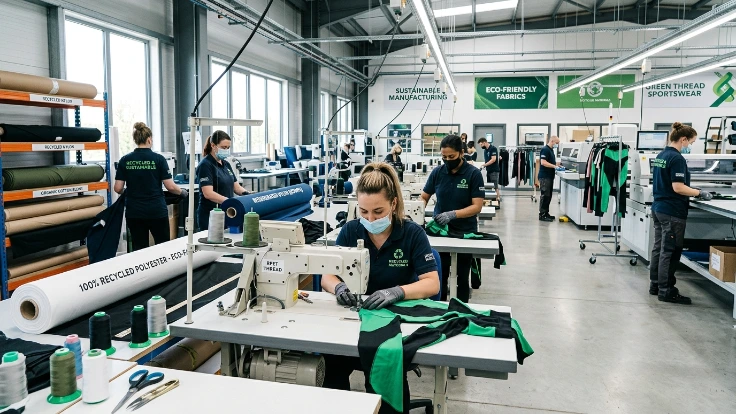
GHC Sportswear® helps private label sportswear businesses create consistent apparel collections through product development, customization, branding, and bulk manufacturing support.
Dennis Rodman and Controversial Endorsements
Dennis Rodman became famous not only for basketball but also for personality, fashion, controversy, and entertainment value. Some of his sponsorships and promotional partnerships were unusual because they did not fit the traditional clean athlete image.
Rodman’s brand was built around being unpredictable. That made him attractive to companies that wanted attention, but it also made partnerships risky.
Why it was unusual
Most athlete endorsements are built around performance, discipline, and aspirational lifestyle. Rodman’s public image was louder, riskier, and more rebellious.
That made his brand partnerships memorable, but not always easy for mainstream advertisers.
Marketing lesson
Personality can sell, but risk must be managed.
A strange sponsorship may generate headlines, but brands must ask whether the attention helps or harms long-term trust. For youth teams, schools, academies, and professional clubs, brand safety matters.
This is why apparel branding should be clear, professional, and aligned with the audience. GHC Sportswear® helps B2B buyers create sportswear that supports identity without damaging credibility.
The Lingerie Football League: Attention Without Respect
Some sponsorship ideas gain attention but create deeper problems. The Lingerie Football League, later rebranded as the Legends Football League, became controversial because many critics felt the concept focused more on appearance than athletic respect.
This makes it one of the most controversial examples connected to strange sports marketing.
Why it was controversial
The idea attracted media attention, but it also raised criticism about how female athletes were presented. Instead of building the sport around performance, skill, and competition first, the branding created debate around objectification.
Marketing lesson
Attention is not always positive.
A sports concept may become visible, but if the audience believes it disrespects athletes, the brand can lose trust. Modern sports marketing must understand representation, dignity, and audience expectations.
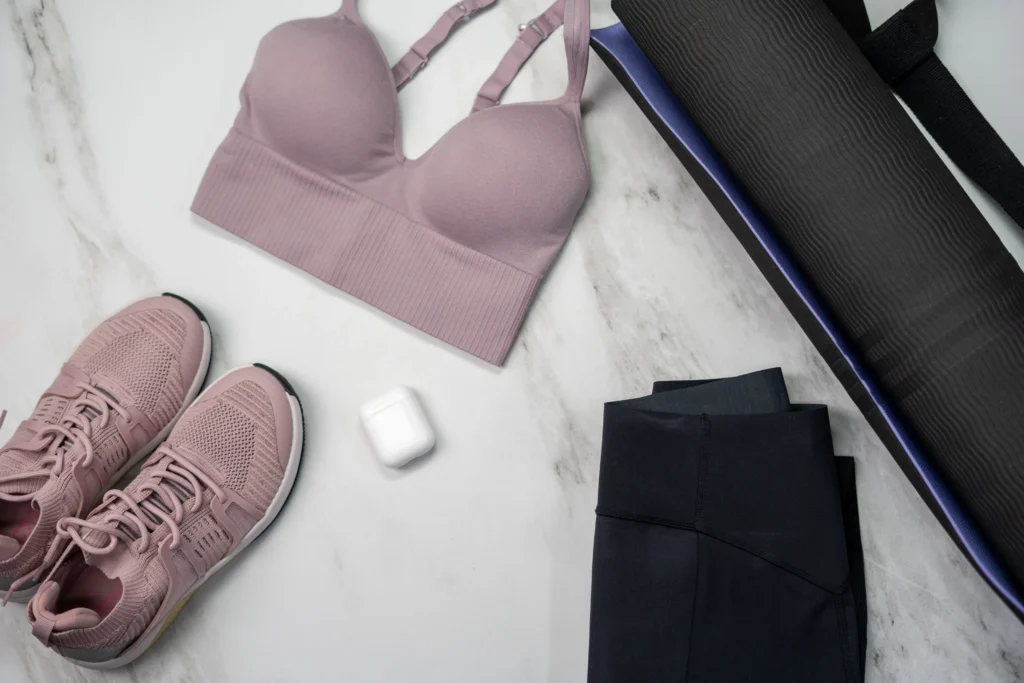
For apparel businesses, this matters too. Women’s sportswear should be designed around fit, performance, comfort, coverage, and respect for the athlete. GHC Sportswear® supports activewear categories through its custom wholesale women’s sportswear manufacturer page and custom yoga apparel guide.
When Sponsorships Go Wrong
Not every sponsorship failure is strange because of the product. Some fail because the brand ties itself too closely to one individual or one risky idea.
When a sponsored athlete, spokesperson, or partner becomes involved in scandal, the sponsor can suffer by association.
This is why brands need to think beyond visibility. They must also consider:
- Reputation risk
- Audience response
- Brand fit
- Long-term trust
- Contract protection
- Cultural sensitivity
- Athlete behavior
- Product alignment
- Public perception
A sponsorship can create fast awareness, but it can also create long-term damage if the wrong partner becomes the face of the brand.
Strangest Sponsorship Deals in Sports: Quick Comparison
| Sponsorship Example | Why It Seemed Strange | Why It Became Memorable |
|---|---|---|
| McDonald’s and the Olympics | Fast food linked with elite athletic competition | Global visibility and long-term recognition |
| John Daly and Loudmouth Golf | Loud fashion in a traditionally conservative sport | Perfect athlete-brand personality match |
| Manchester United and Sharp | Electronics logo on a football shirt in an earlier sponsorship era | Became linked with a famous football period |
| Red Bull and sports teams | Brand moved from sponsor to team owner | Built a full sports identity around energy and action |
| Dennis Rodman endorsements | Unconventional athlete image | Created attention through personality |
| Lingerie Football League sponsorships | Controversial presentation of athletes | Became a cautionary marketing example |
This table shows that the strangest sponsorship deals in sports are not all strange in the same way. Some are strange because they are mismatched. Some are strange because they are bold. Some are strange because they later became normal.
What Sports Sponsorships Teach Teams and Brands
The best sponsorships are not only about money. They are about fit.
A good sponsorship should answer:
- Does the sponsor match the team’s audience?
- Does the logo look professional on the uniform?
- Does the partnership support the team’s values?
- Will fans accept the sponsor?
- Does the sponsor add credibility?
- Can the partnership last beyond one season?
- Is the product or brand suitable for the sport?
- Does the sponsorship help both sides?
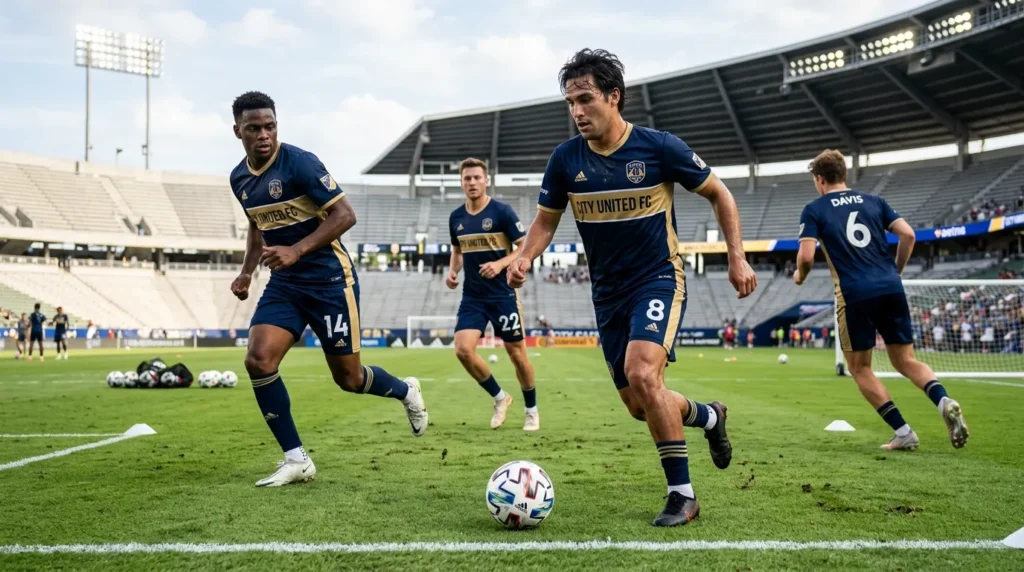
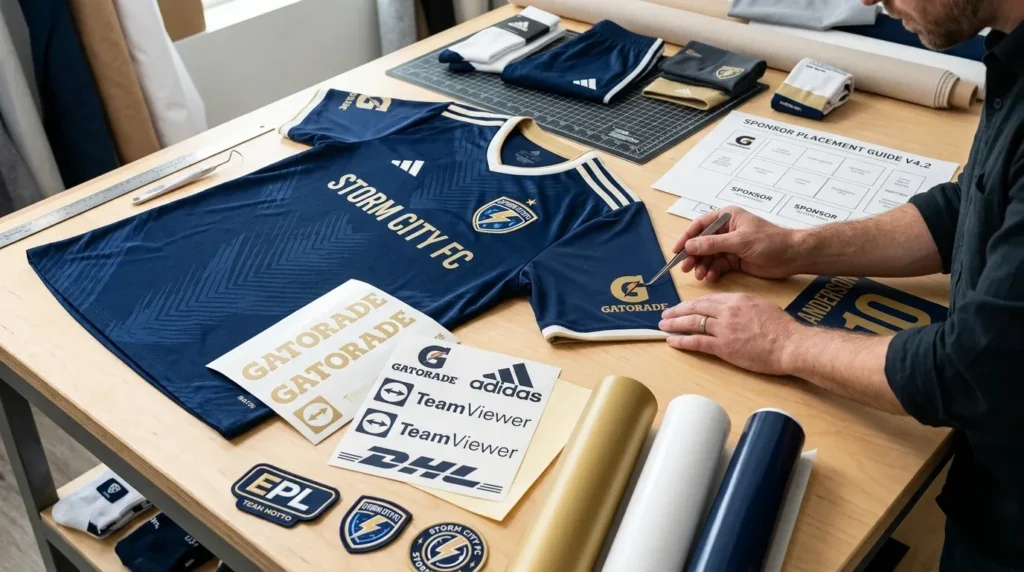
For teams and clubs, sponsor placement on uniforms is especially important. A sponsor logo that is too large, poorly printed, badly placed, or mismatched with the design can make the uniform look unprofessional.
GHC Sportswear® helps teams and B2B buyers plan custom uniforms with logos, sponsor placement, names, numbers, colors, and production quality.
Sponsorship and Uniform Design
Sports sponsorship becomes most visible on apparel. Jerseys, jackets, warm-up tops, tracksuits, caps, and training shirts are all branding surfaces.
A good sponsored uniform should balance:
- Team identity
- Sponsor visibility
- Player comfort
- Number readability
- Color harmony
- Print durability
- Logo placement
- Fabric performance
- Professional appearance
Sponsor logos should be visible, but they should not overpower the team identity. Names and numbers should remain readable. The fabric and print method should match the sport.
For example, a football jersey with multiple sponsors may need sublimation printing. A cotton event T-shirt may use screen printing or DTG printing. A hoodie may use embroidery, heat transfer, or screen printing depending on the design.
GHC Sportswear® has related guides on screen printing vs sublimation, heat transfer printing, sublimation printing, and DTG printing to help buyers understand which method fits each product.
Practical Use Cases for B2B Sportswear Buyers
Sports teams
Teams can use sponsorships to fund uniforms, travel, training, or events. The uniform design should include sponsor logos cleanly without hurting team identity.
Clubs and academies
Clubs and academies often rely on local sponsors. Custom apparel helps display sponsor support across match kits, training wear, jackets, and event apparel.
Wholesalers and distributors
Wholesalers can support teams and clubs by offering sponsored uniform packages with logo printing, names, numbers, and repeat production.
Private label sportswear brands
Private label brands can collaborate with athletes, clubs, gyms, and creators to build sponsored collections or limited drops.
Event organizers
Sports events can sell sponsor-branded merchandise, volunteer shirts, tournament uniforms, and limited-edition apparel.
Sponsorship Mistakes to Avoid
The strangest sponsorship deals in sports are entertaining, but they also show what can go wrong.
Common mistakes include:
- Choosing attention over credibility
- Placing logos badly on uniforms
- Ignoring audience values
- Partnering with risky personalities
- Using poor print quality
- Choosing sponsors that conflict with the sport
- Overcrowding the jersey design
- Forgetting long-term brand reputation
- Not checking sponsor logo colors
- Ignoring contract and usage rights
For B2B apparel buyers, sponsor printing should be planned before production. Logo files, colors, placement, size, and decoration method should be approved before bulk manufacturing begins.
What Makes a Sponsorship Work?
A strong sports sponsorship usually has three things: fit, visibility, and trust.
Fit means the sponsor belongs with the team, athlete, event, or audience.
Visibility means people can see and remember the brand.
Trust means the partnership does not damage either side.
When these three elements work together, a sponsorship can become powerful.
When they do not, the deal may become one of the strangest sponsorship deals in sports for the wrong reason.
Build Sponsor-Ready Teamwear with GHC Sportswear®
If you are creating custom uniforms, sponsor-branded teamwear, event apparel, club merchandise, or private label sportswear, GHC Sportswear® can help you build apparel that looks professional and supports real branding needs.
GHC Sportswear® works with:
- Sports teams
- Clubs
- Academies
- Schools
- Colleges
- Sportswear brands
- Event organizers
- Wholesalers
- Distributors
- Retailers
- Private label businesses
GHC Sportswear® can support:
- Custom team uniforms
- Sponsor logo placement
- Names and numbers
- Sublimation printing
- Heat transfer printing
- Screen printing
- DTG printing
- Embroidery
- Training wear
- Tracksuits
- Hoodies
- Performance shirts
- Private labels
- Bulk production
- Branding and packaging
Buyers can explore product categories on the GHC Sportswear® products page and learn more about production support on the GHC Sportswear® services page.
For teams and brands, the goal is not only to place a logo on apparel. The goal is to create sportswear that looks professional, fits well, supports the athlete, and presents sponsors clearly.
Contact GHC Sportswear® for custom sponsor-ready sportswear manufacturing:
WhatsApp: https://wa.me/ghcsportswear
Email: info@ghcsportswar.com
Contact page: GHC Sportswear® contact us
Conclusion
The strangest sponsorship deals in sports show that marketing does not always follow a simple formula. Some partnerships look strange but become iconic. Some create controversy. Some redefine how brands use sport. Some become warnings about reputation risk.
McDonald’s and the Olympics showed the power and tension of global visibility. John Daly and Loudmouth Golf showed how personality can make an unusual partnership work. Manchester United and Sharp showed how a shirt sponsor can become part of football history. Red Bull showed how a brand can move beyond sponsorship into full sports ownership.
The lesson is clear: strange does not always mean bad. But every sponsorship needs fit, trust, and careful execution.
For modern teams, clubs, academies, brands, wholesalers, distributors, retailers, and private label businesses, sponsorship often appears directly on apparel. That means the uniform, print method, logo placement, fabric, and production quality all matter.
GHC Sportswear® helps B2B buyers create custom sportswear that presents sponsors professionally while supporting team identity and real athletic use.
Related Blog:
Custom Team Uniforms Benefits: https://ghcsportswear.com/custom-team-uniforms-benefits/
Screen Printing vs Sublimation: https://ghcsportswear.com/screen-printing-vs-sublimation/
Heat Transfer Printing: https://ghcsportswear.com/heat-transfer-printing/
Sublimation Printing: https://ghcsportswear.com/sublimation-printing/