Badminton Drills: 20 Training Drills to Improve Footwork, Speed, Accuracy, and Endurance
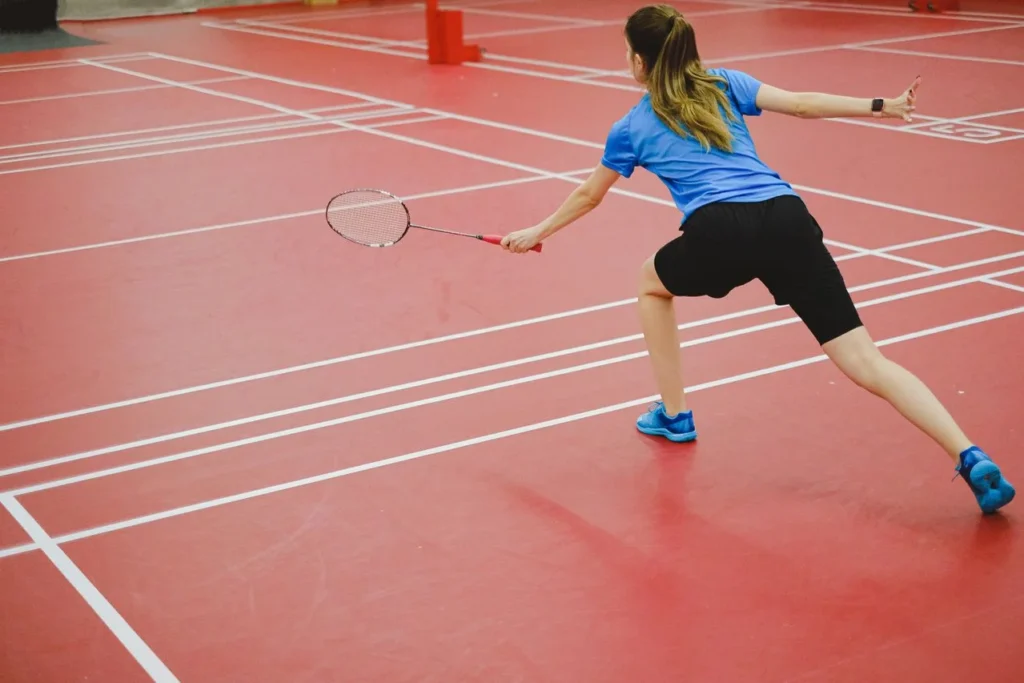
Badminton drills are the fastest way to turn random practice into real improvement. Badminton is not only about hitting the shuttle harder. It is about moving earlier, recovering faster, placing the shuttle smarter, defending under pressure, serving accurately, and staying calm when the rally becomes uncomfortable.
A player who only plays casual matches may improve slowly. A player who trains with structured badminton drills improves with purpose.
Badminton requires:
- Fast footwork
- Sharp reactions
- Strong racket control
- Accurate serving
- Net confidence
- Defensive stability
- Smash timing
- Endurance
- Tactical awareness
- Mental discipline
That is why the best badminton drills train both the body and the brain.
The Badminton World Federation’s Shuttle Time programme includes free teaching resources, 22 lesson plans, and supporting video clips for badminton education. This confirms what good coaches already know: badminton improves best when skills are broken into repeatable, progressive training activities.
This guide gives players, coaches, clubs, schools, academies, and training centers a practical badminton drills system. It covers beginner drills, advanced drills, solo drills, partner drills, footwork drills, reaction drills, net drills, smash drills, serve drills, and endurance drills.
GHC Sportswear® supports badminton players and B2B buyers with custom badminton uniforms, training apparel, socks, teamwear, and private label sportswear built for movement, comfort, and team identity.
Direct Answer: What Are the Best Badminton Drills?
The best badminton drills are shadow footwork, multi-shuttle feeding, wall rally, net kill practice, smash and defense, drive shot rallies, serve accuracy, drop shot control, cone footwork, endurance rallies, split-step reaction drills, defensive block drills, clear-to-drop combinations, around-the-head movement, doubles rotation, and match-pressure drills.
The most useful badminton drills train five core areas:
| Training Area | Best Drills |
|---|---|
| Footwork | Shadow footwork, cone drill, six-corner movement |
| Accuracy | Serve target drill, drop shot drill, clear placement drill |
| Reaction | Multi-shuttle drill, drive rally, split-step cue drill |
| Attack and defense | Smash-defense drill, net kill drill, block-to-lift drill |
| Endurance | Long rally drill, conditioned games, multi-shuttle sets |
A complete badminton training plan should include all five areas.
Why Badminton Drills Matter
Badminton drills matter because badminton is a sport of repeated movement patterns. During a match, players constantly move from base position to the front court, midcourt, rear court, and sidelines. They must hit, recover, read the next shot, and move again.
Badminton looks smooth at high level because players train these movements until they become automatic.
A 2025 systematic review in BMJ Open Sport & Exercise Medicine found that lower-body injuries occurred most frequently in badminton injury studies, with lower-body injury ranges reported between 41% and 92%. That does not mean badminton drills are dangerous. It means movement quality, progressive training, warm-up, footwear, and recovery matter.
Good badminton drills help players:
- Move with better control
- Improve timing
- Reduce rushed shots
- Build stamina
- Improve shot quality
- Train correct recovery
- Improve tactical awareness
- Prepare for match pressure
Badminton drills are not punishment. They are how players build court intelligence.
Warm Up Before Badminton Drills
Before starting badminton drills, players should warm up properly. A warm-up prepares the body for quick movement, lunges, jumps, and racket swings.
A review on warm-up practice explains that warm-up can increase body temperature, stimulate the neuromuscular system, and prepare athletes for training and competition.
A badminton warm-up may include:
- Light jogging
- Side shuffles
- Arm circles
- Wrist rotations
- Hip mobility
- Dynamic lunges
- Calf raises
- Split-step practice
- Short shadow movement
- Easy racket swings
Avoid starting intense multi-shuttle or smash drills cold. Badminton is too explosive for that.
For clothing, players should wear breathable training apparel that allows movement. GHC Sportswear® explains this in Badminton Fashion Do’s and Don’ts and Materials Revolutionizing Badminton Apparel.
1. Shadow Footwork Drill
The shadow footwork drill is one of the most important badminton drills for every level.
This drill trains movement without a shuttle. The player moves to different court areas as if responding to shots, then returns to base position.
How to do it
Start in the center base position. Move to:
- Forehand front court
- Backhand front court
- Forehand midcourt
- Backhand midcourt
- Forehand rear court
- Backhand rear court
After each movement, recover to base.
Training focus
- Split step
- Balance
- Recovery
- Court coverage
- Movement rhythm
- Efficient footwork
Beginner version
Move slowly and focus on correct steps.
Advanced version
Add coach signals, random directions, and timed sets.
Common mistake
Players rush the drill and lose balance. Quality comes before speed.
Shadow footwork also connects strongly with Virtual Reality in Badminton Training, where digital movement training can support footwork learning before real-court transfer.
2. Six-Corner Footwork Drill
This is a progression from shadow footwork. It trains full-court coverage.
How to do it
Mark six corners:
- Front forehand
- Front backhand
- Side forehand
- Side backhand
- Rear forehand
- Rear backhand
A coach calls the corner, points, or uses a random signal. The player moves, performs a shadow shot, and returns to base.
Training focus
- Court movement
- Recovery speed
- Direction change
- Balance
- Match movement
Set structure
| Level | Work Time | Rest | Sets |
| Beginner | 20 seconds | 40 seconds | 4 |
| Intermediate | 30 seconds | 30 seconds | 5 |
| Advanced | 45 seconds | 30 seconds | 6 |
This is one of the best badminton footwork drills because it trains movement patterns used in real rallies.
3. Fast Footwork Cone Drill
The cone drill improves speed, agility, and body control.
How to do it
Place cones in different court zones. Start from base position, move to each cone, touch it or perform a shadow shot, then return to base.
Training focus
- Acceleration
- Deceleration
- Balance
- Lunge control
- Recovery
Best use
This drill is useful for schools, academies, clubs, and players who need better court movement.
Equipment needed
- 4 to 6 cones
- Badminton court
- Timer
- Proper indoor shoes
Footwear matters here. Fast cone work should be done with proper court shoes. Read Proper Footwear in Badminton for non-marking soles, grip, cushioning, and lateral support.
4. Split-Step Reaction Drill
The split step is the small explosive movement players use before reacting to the opponent’s shot.
How to do it
A coach stands in front and gives random signals:
- Point left
- Point right
- Point front
- Point back
- Call a corner
- Show a colored cone
- Clap or whistle
The player split steps, reacts, moves, and recovers.
Training focus
- Reaction time
- First-step speed
- Ready position
- Anticipation
- Court awareness
Common mistake
Players move before the signal instead of timing the split step. The goal is not guessing. The goal is reacting quickly from a balanced position.
5. Multi-Shuttle Drill
The multi-shuttle drill is one of the most effective badminton drills for reaction, endurance, shot repetition, and pressure training.
How to do it
A coach or feeder stands with many shuttles and feeds them quickly to one player. The player returns each shuttle based on the drill goal.
Variations
- Multi-shuttle net kills
- Multi-shuttle smashes
- Multi-shuttle defense
- Multi-shuttle footwork
- Multi-shuttle drops
- Multi-shuttle drives
Training focus
- Repetition
- Reaction
- Stamina
- Shot consistency
- Pressure handling
Beginner version
Feed slowly and predictably.
Advanced version
Feed randomly at match speed.
Common mistake
Players hit hard but lose form. The feeder should control speed so the player can train properly.
Multi-shuttle drills are serious training. Players should wear lightweight, sweat-managing apparel. GHC Sportswear® explains fabric selection in Moisture-Wicking Fabrics.
6. Wall Rally Drill
The wall rally drill is one of the best solo badminton drills.
How to do it
Stand a few feet from a wall. Hit the shuttle against the wall repeatedly without letting it drop.
Training focus
- Racket control
- Reaction
- Wrist movement
- Timing
- Consistency
- Hand-eye coordination
Variations
- Forehand only
- Backhand only
- Alternate forehand and backhand
- Fast drive rhythm
- Soft control rhythm
Common mistake
Standing too close or hitting too hard. Control matters more than power.
This drill is useful for players who do not always have a partner or full court.
7. Serve Accuracy Drill
Serving is not just how a rally starts. It is how control begins.
How to do it
Place targets in the service box. Practice landing serves on or near the target.
Serve types to practice
- Backhand low serve
- Flick serve
- High serve
- Wide serve
- Body serve
- Drive serve
Training focus
- Accuracy
- Consistency
- Confidence
- Control under pressure
Set structure
Hit 20 serves to one target, record how many land correctly, then repeat.
Common mistake
Practicing serves without pressure. Add scoring:
- 1 point for service box
- 2 points for target zone
- 0 points for fault
The BWF Shuttle Time starter lessons include serving and rally development, which shows how important serving is in beginner progression.
8. Drop Shot Control Drill
The drop shot is a finesse weapon. It forces opponents forward and opens space in the rear court.
How to do it
Start from rear court. Hit soft drop shots so the shuttle lands just over the net.
Training focus
- Touch
- Deception
- Racket angle
- Shuttle control
- Shot placement
Variations
- Straight drop
- Cross-court drop
- Fast drop
- Slow drop
- Drop after clear
- Drop under fatigue
Common mistake
Players try to make every drop too tight. A slightly safer drop is better than hitting into the net repeatedly.
9. Clear Placement Drill
A clear is not only a defensive shot. It can reset the rally and move the opponent backward.
How to do it
One player feeds or lifts. The hitter plays clears to specific rear-court targets.
Training focus
- Length
- Height
- Direction
- Recovery
- Shoulder control
Target zones
- Deep forehand corner
- Deep backhand corner
- Center rear court
- Opponent’s weaker rear side
Common mistake
Hitting clears too flat. A clear should give time to recover when used defensively.
10. Net Kill Drill
The net kill drill trains quick finishing ability.
How to do it
A feeder sends loose shuttles near the net. The player steps forward and kills the shuttle downward.
Training focus
- Fast reaction
- Short racket action
- Net control
- Finishing ability
- Forward movement
Coaching points
- Keep racket up
- Use short action
- Step in quickly
- Do not touch the net
- Hit down, not wild
Common mistake
Swinging too big. Net kills need compact movement.
This drill is excellent for doubles players because fast net pressure can decide rallies.
11. Net Shot and Lunge Drill
This drill improves front-court touch and lunging stability.
How to do it
A feeder throws or hits shuttles to the front court. The player lunges and plays a soft net shot, then recovers.
Training focus
- Lunge stability
- Soft hand control
- Balance
- Net awareness
- Recovery
BWF Shuttle Time starter lesson material includes “Net and Lunge,” with teaching goals around net play, lunging stability, and balance.
Common mistake
Reaching with the arm but not moving the body. Good net play needs both footwork and racket control.
12. Drive Shot Drill
Drive rallies train fast exchanges and wrist control.
How to do it
Two players stand midcourt and rally using flat drive shots. Keep the shuttle low, fast, and controlled.
Training focus
- Wrist strength
- Reaction speed
- Racket preparation
- Flat shot control
- Doubles pressure
Variations
- Forehand drive only
- Backhand drive only
- Alternate drives
- Cross-court drives
- Random drive battle
Common mistake
Hitting too high. A drive should stay flat and fast.
This drill is especially useful for doubles players.
13. Smash and Defense Drill
This is one of the classic badminton drills for attack and defense.
How to do it
One player smashes repeatedly. The defender blocks, lifts, or drives the shuttle back.
Training focus for attacker
- Smash timing
- Power control
- Placement
- Recovery
Training focus for defender
- Racket readiness
- Reaction
- Body position
- Block control
- Lift quality
Variations
- Straight smash and block
- Cross smash and defense
- Smash then net follow-up
- Defender must lift deep
- Defender must block short
Common mistake
The attacker smashes at full power every time and loses accuracy. Smash quality matters more than noise.
For apparel, this drill demands shoulder movement and sweat control. Read Customizing Your Badminton Uniform for fit, fabric, and performance design planning.
14. Block-to-Lift Defense Drill
This drill builds defensive intelligence.
How to do it
The feeder attacks from rear court. The defender alternates between short blocks and deep lifts.
Training focus
- Defensive variety
- Racket control
- Pressure response
- Shot selection
- Recovery
Why it works
Good defense is not only returning the shuttle. It is choosing the right return.
A short block pulls the opponent forward.
A lift buys time.
A drive creates counterattack pressure.
15. Clear-Drop-Smash Combination Drill
This drill trains shot variation.
How to do it
The player performs a sequence:
- Clear
- Drop
- Smash
- Recover
- Repeat
Training focus
- Shot variety
- Tactical rhythm
- Footwork recovery
- Racket preparation
- Deception
Advanced version
The feeder chooses which shot the player must hit based on call or signal.
Common mistake
Players treat each shot separately. The goal is to connect movement and decision-making.
16. Around-the-Head Movement Drill
Around-the-head movement helps players attack shuttles on the backhand rear side using a forehand action.
How to do it
The feeder sends shuttles to the rear backhand corner. The player moves around the head and hits clear, drop, or smash.
Training focus
- Rear-court footwork
- Body rotation
- Shot preparation
- Recovery
- Attacking options
Common mistake
Over-rotating and failing to recover. Around-the-head shots are useful only when the player can return to base.
17. Doubles Rotation Drill
Doubles badminton requires positioning, communication, and rotation.
How to do it
Two players practice attack-defense rotation with a feeder or another pair. The front player covers net pressure while the rear player attacks. Then they rotate based on shot direction.
Training focus
- Front-back rotation
- Side-by-side defense
- Communication
- Court coverage
- Partner awareness
Common mistake
Both players chase the same shuttle. Doubles needs spacing and trust.
Uniform consistency matters in doubles, especially for competitive settings. Read Badminton Dress Codes for clothing and team presentation rules.
18. Endurance Rally Drill
The endurance rally drill builds stamina and patience.
How to do it
Two players rally continuously with controlled shots. The goal is to keep the shuttle alive without unforced errors.
Training focus
- Stamina
- Consistency
- Shot patience
- Mental toughness
- Error reduction
Scoring method
- 20-shot rally = 1 point
- 40-shot rally = 2 points
- Error before 10 shots = restart
Common mistake
Trying to win too early. This drill trains patience, not highlight shots.
19. Conditioned Game Drill
Conditioned games make match play more focused.
How to do it
Play a normal rally but add one condition.
Examples:
- Winner must be a drop shot
- Smash allowed only after a clear
- Serve must target one zone
- No lifting allowed
- Only drives in midcourt
- Net winner counts double
- Rally must include one clear before attacking
Training focus
- Tactical thinking
- Shot discipline
- Decision-making
- Match transfer
Why it works
Players learn faster when match situations are restricted around one skill.
20. Match-Pressure Drill
Badminton players need to perform under pressure, not only during relaxed practice.
How to do it
Start every game at a pressure score:
- 18–18
- 19–20
- 20–20
- 10–10 in a short game
- Match point down
- Match point up
Training focus
- Pressure handling
- Serve confidence
- Shot selection
- Mental control
- Tactical discipline
Common mistake
Practicing only when there are no consequences. Real matches are emotional. Training should include pressure.
This drill connects well with Virtual Reality in Badminton Training because VR can help simulate pressure and decision-making, while real-court drills confirm performance.
Best Badminton Drills by Skill Level
| Level | Best Drills | Main Goal |
| Beginner | Wall rally, serve accuracy, basic shadow footwork, net and lunge | Control and movement basics |
| Intermediate | Six-corner footwork, drop shot, clear placement, drive drill | Better consistency and court coverage |
| Advanced | Multi-shuttle, smash defense, around-the-head, pressure games | Speed, pressure, tactical quality |
| Doubles Players | Drive drill, net kill, doubles rotation, smash-defense | Fast exchanges and positioning |
| Singles Players | Endurance rally, six-corner footwork, clear-drop-smash | Court coverage and stamina |
This structure helps players choose the right badminton drills instead of training randomly.
Weekly Badminton Drill Plan
A useful badminton training week should balance skill, movement, and recovery.
| Day | Training Focus | Example Drills |
| Day 1 | Footwork and control | Shadow footwork, cone drill, wall rally |
| Day 2 | Serve and net | Serve accuracy, net shot, net kill |
| Day 3 | Attack and defense | Smash-defense, drive shot, block-to-lift |
| Day 4 | Rest or light recovery | Mobility, stretching, easy rally |
| Day 5 | Tactical training | Conditioned games, clear-drop-smash |
| Day 6 | Endurance and match play | Endurance rally, pressure games |
| Day 7 | Rest | Recovery and review |
Players should adjust intensity based on age, fitness, competition schedule, and coaching guidance.
Badminton Drills for Beginners
Beginner players should not start with extreme speed. They need control first.
Best beginner badminton drills:
- Wall rally drill
- Serve accuracy drill
- Basic shadow footwork
- Net and lunge drill
- Clear placement drill
- Easy rally consistency
- Basic split-step reaction
Beginner goal:
- Keep the shuttle in play
- Learn correct grips
- Move safely
- Build confidence
- Understand court zones
BWF Shuttle Time’s school resources are designed to help teachers introduce badminton through structured, progressive lessons, which is especially useful for beginners.
Badminton Drills for Advanced Players
Advanced players need speed, deception, pressure, and tactical repetition.
Best advanced badminton drills:
- Random multi-shuttle
- Smash and defense
- Around-the-head attack
- Doubles rotation
- Match-pressure games
- Drive battle
- Clear-drop-smash combinations
- Defensive block-to-lift drill
- Split-step reaction with random signals
Advanced goal:
- Move faster without losing control
- Read shots earlier
- Recover better
- Attack with placement
- Defend under pressure
- Make smarter tactical decisions
Solo Badminton Drills
Not every player has a partner every day. Solo drills still help.
Best solo badminton drills:
- Wall rally
- Shadow footwork
- Cone footwork
- Serve target practice
- Grip-change practice
- Racket control taps
- Mirror footwork
- Shuttle juggling
- Fitness circuits
- Footwork timing with timer
Solo drills are excellent for consistency. But players still need partner practice and match play to develop timing against real opponents.
Partner Badminton Drills
Partner drills are more realistic because they include timing, shuttle flight, and reaction.
Best partner drills:
- Drive rally
- Clear rally
- Drop and lift
- Smash and defense
- Net shot exchange
- Serve and return
- Conditioned games
- Endurance rallies
- Doubles rotation
Partner drills should have a clear purpose. Random hitting is not the same as training.
Coach-Led Badminton Drills
Coach-led drills are usually more precise because the coach controls the feed and corrects technique.
Best coach-led drills:
- Multi-shuttle feeding
- Random corner movement
- Net kill feed
- Smash-defense feed
- Tactical shot sequence
- Serve-return correction
- Footwork timing correction
- Doubles positioning drill
A good coach does not only feed shuttles. A good coach corrects movement, timing, shot choice, and recovery.
Equipment Needed for Badminton Drills
A proper badminton drill session may need:
- Rackets
- Shuttlecocks
- Court shoes
- Cones
- Targets
- Timer
- Net
- Water bottle
- Towel
- Training apparel
- Socks
- Optional resistance bands
- Optional video analysis setup
The shuttlecock matters more than many players realize. GHC Sportswear® explains its role in Life of a Badminton Shuttlecock.
For socks, read Badminton Socks because foot comfort and shoe fit matter during repeated movement drills.
What to Wear During Badminton Drills
Training apparel should support movement, heat control, and comfort.
Players should wear:
- Lightweight training shirt
- Breathable shorts, skirt, or skort
- Moisture-wicking fabric
- Proper badminton shoes
- Comfortable sports socks
- Minimal accessories
- Optional sweatband
- Warm-up jacket before training
Avoid:
- Heavy cotton shirts
- Tight sleeves
- Denim
- Casual sneakers
- Loose jewelry
- Slippery socks
- Overly thick hoodies during intense drills
GHC Sportswear® covers this in Badminton Fashion Do’s and Don’ts and Proper Footwear in Badminton.
Badminton Drills and Apparel Performance
Badminton drills reveal whether apparel is actually good.
A shirt may look nice in photos but fail during:
- Repeated smashes
- Deep lunges
- High-sweat sessions
- Fast side movement
- Long rallies
- Multi-shuttle drills
- Jump recovery
- Defensive blocks
This is why sportswear brands, academies, and clubs should test apparel during real badminton drills before bulk approval.
For custom teamwear, GHC Sportswear® can support:
- Badminton match shirts
- Training tops
- Shorts
- Skirts and skorts
- Tracksuits
- Warm-up jackets
- Hoodies
- Custom socks
- Sponsor placement
- Private labels
- Bulk production
Explore the GHC Sportswear® products page and GHC Sportswear® services page for custom manufacturing support.
Common Badminton Drill Mistakes
Avoid these mistakes:
- Training without warm-up
- Doing only smash drills
- Ignoring footwork
- Practicing serves casually
- No recovery after shots
- Moving fast with poor balance
- Using wrong shoes
- Wearing restrictive clothing
- No clear drill goal
- No progress tracking
- No rest periods
- Overtraining before competition
- Ignoring weak side
- Avoiding pressure drills
- Training without feedback
Badminton drills should be purposeful. Every drill should answer one question: what skill are we improving?
How to Track Progress in Badminton Drills
Track your training to improve faster.
Useful metrics:
| Drill | What to Track |
| Serve accuracy | Successful serves out of 20 |
| Wall rally | Consecutive hits without drop |
| Footwork drill | Time with correct movement |
| Multi-shuttle | Successful returns per set |
| Smash-defense | Defensive returns in target zone |
| Drop shot | Drops landing near net |
| Endurance rally | Rally length without errors |
| Pressure game | Points won from 18–18 |
Players improve when they measure performance and adjust training.
Strong CTA: Build Badminton Training Apparel That Survives Real Drills
Badminton drills are where apparel gets tested. Fast footwork, multi-shuttle training, smash-defense sessions, long rallies, and hot indoor courts demand clothing that performs.
If your club, academy, school, retailer, wholesaler, distributor, or private label brand needs badminton training apparel, GHC Sportswear® can help build it from concept to production.
Send GHC Sportswear®:
- Team logo
- Color palette
- Training or match use
- Fabric target
- Quantity
- Size range
- Player-name requirements
- Sponsor logos
- Design inspiration
- Tech pack if available
- Packaging needs
- Sustainability requirements
GHC Sportswear® can help develop custom badminton apparel that supports movement, sweat control, team identity, and bulk-order consistency.
Build Custom Badminton Apparel with GHC Sportswear®
GHC Sportswear® works with teams, clubs, academies, schools, colleges, retailers, wholesalers, distributors, private label businesses, and sportswear brands.
GHC Sportswear® can support:
- Custom badminton uniforms
- Badminton training shirts
- Badminton match shirts
- Badminton shorts
- Badminton skirts and skorts
- Badminton socks
- Tracksuits
- Warm-up jackets
- Hoodies
- Team polos
- Sublimation printing
- Heat transfer names and numbers
- Sponsor logo placement
- Moisture-wicking fabrics
- Mesh panels
- Recycled polyester options
- Private labels
- Branding and packaging
- Bulk production
- Reorder planning
Buyers can explore:
- GHC Sportswear® products
- GHC Sportswear® services
- Sports Uniforms manufacturing
- Custom Sportswear Manufacturing Guide
- Private Label Apparel Manufacturing Guide
Contact GHC Sportswear® for custom badminton apparel manufacturing:
WhatsApp GHC Sportswear®
Email: info@ghcsportswear.com
Contact page: GHC Sportswear® contact us
FAQ: Badminton Drills
What are the best badminton drills for beginners?
The best badminton drills for beginners are shadow footwork, wall rally, serve accuracy, net and lunge, basic clear placement, and simple rally consistency drills.
What badminton drills improve footwork?
Shadow footwork, six-corner footwork, cone drills, split-step reaction drills, and net-lunge drills are useful for improving badminton footwork.
How often should I do badminton drills?
Most players can do badminton drills 2–4 times per week depending on fitness, age, training level, and competition schedule. Rest and recovery are important.
What is the best solo badminton drill?
The wall rally drill is one of the best solo badminton drills because it improves racket control, timing, wrist movement, and consistency.
What badminton drill improves reaction time?
Multi-shuttle drills, drive rallies, split-step reaction drills, and smash-defense drills are effective for improving reaction time.
Are badminton drills good for fitness?
Yes. Badminton drills can improve agility, endurance, coordination, speed, and movement efficiency when structured properly.
What should I wear for badminton drills?
Wear lightweight, breathable training apparel, proper badminton shoes, comfortable socks, and clothing that allows lunges, jumps, and full shoulder movement.
Conclusion
Badminton drills are the foundation of better badminton. Matches reveal skill, but drills build skill.
A complete badminton training plan should include footwork drills, serve accuracy, net play, smash-defense work, drive rallies, drop shots, endurance rallies, multi-shuttle training, and pressure games. Beginners should focus on control and movement basics. Advanced players should train reaction, tactical decisions, and match-speed repetition.
The best badminton drills are not random. They are structured, measurable, progressive, and connected to real match situations.
Good training also needs the right kit. Proper footwear, comfortable socks, breathable apparel, and movement-friendly uniforms help players train harder without unnecessary distractions.
GHC Sportswear® helps B2B buyers create custom badminton apparel and teamwear built for real training environments, from academy sessions to tournament preparation.
Train smarter. Move better. Dress for the drills that build the player.