How to Start a Badminton Fashion Line: Design, Manufacturing, Branding, and Launch
Starting a badminton fashion line is not just about printing a logo on a shirt. It is about building a real sportswear brand around movement, comfort, sweat control, team identity, sizing, fabric performance, dress-code awareness, and repeatable production.
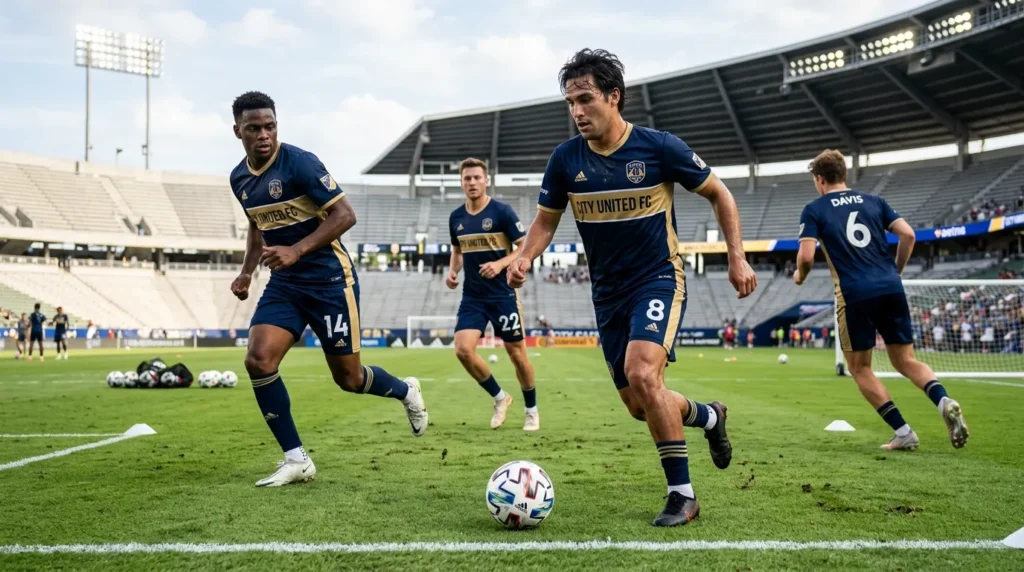
Badminton is fast, technical, and style-conscious. Players need apparel that supports lunges, smashes, jumps, net movement, recovery steps, and long indoor rallies. At the same time, clubs, academies, schools, corporate teams, retailers, wholesalers, and private label brands want badminton clothing that looks sharp and builds identity.
That is where the opportunity begins.
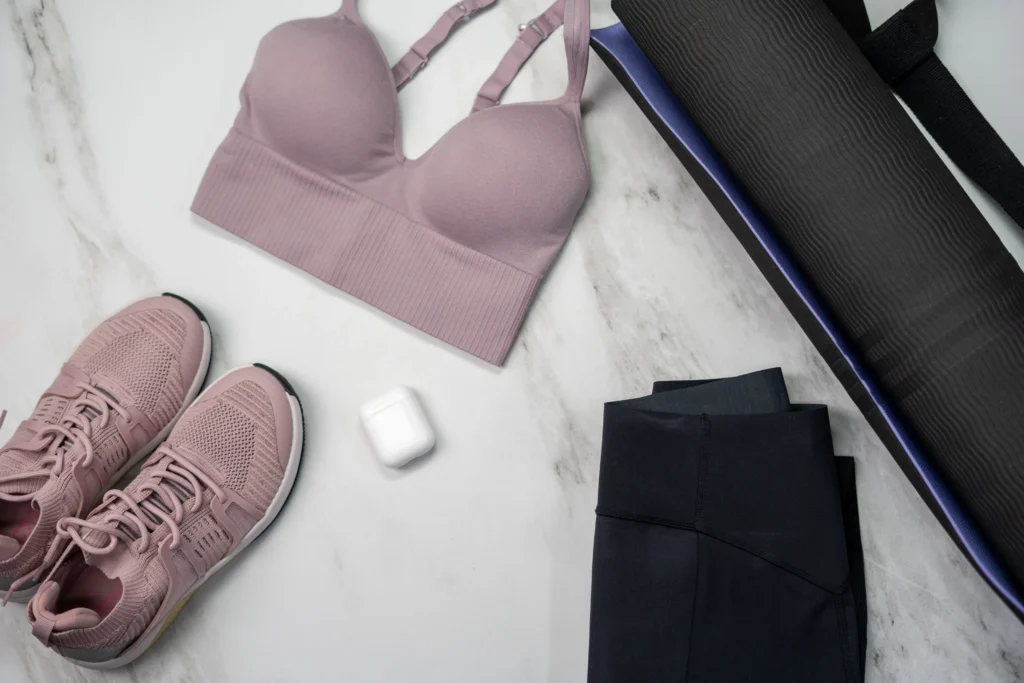
A strong badminton fashion line can include match shirts, training tops, shorts, skirts, skorts, tracksuits, warm-up jackets, hoodies, socks, accessories, and full teamwear systems. But the line must be built correctly from the start.
The global sportswear market was valued at USD 399.4 billion in 2025 and is projected to reach USD 890.4 billion by 2033, according to Grand View Research. That growth shows why performance apparel, teamwear, activewear, and sport-specific fashion are serious business categories.
For badminton startups, the message is clear: do not launch random apparel. Launch a focused brand with a clear buyer, strong fabric choices, reliable manufacturing, and a real market position.
GHC Sportswear® helps startups, clubs, academies, retailers, wholesalers, distributors, and private label brands develop custom badminton apparel from concept to sampling and bulk production.
Direct Answer: How Do You Start a Badminton Fashion Line?
To start a badminton fashion line, you need to define your niche, research your target customers, create a strong brand identity, design performance-focused badminton apparel, choose suitable fabrics, prepare tech packs or reference samples, work with a reliable sportswear manufacturer, test samples, build pricing, set up sales channels, and market your brand to players, clubs, academies, and teams.
The basic process is:
- Choose your badminton apparel niche
- Define your target buyer
- Build your brand identity
- Plan your first product range
- Select performance fabrics
- Design for fit, movement, and dress codes
- Prepare tech packs or reference samples
- Choose a custom sportswear manufacturer
- Develop and test samples
- Finalize pricing and MOQ strategy
- Build online and wholesale sales channels
- Market through SEO, social media, clubs, and partnerships
- Launch, collect feedback, and improve the next drop
A badminton fashion line becomes stronger when every product has a purpose.
Why a Badminton Fashion Line Is a Smart Niche
A badminton fashion line is a smart niche because badminton apparel is specific. Players do not need generic T-shirts. They need lightweight clothing that supports fast movement and indoor court performance.
Badminton apparel must consider:
- Shoulder mobility
- Sweat control
- Breathability
- Lightweight fabric
- Shorts and skorts that allow lunges
- Proper fit for men, women, and youth players
- Sponsor logo placement
- Club and academy branding
- Non-marking footwear awareness
- Team identity
- Dress-code requirements
- Repeat production
Badminton also has strong visual identity potential. A brand can focus on professional matchwear, youth academy apparel, women’s badminton fashion, sustainable teamwear, creative uniforms, premium club apparel, or private label badminton clothing.
GHC Sportswear® has already covered key badminton apparel foundations in Materials Revolutionizing Badminton Apparel, Badminton Fashion Do’s and Don’ts, and Customizing Your Badminton Uniform.
These are the same topics a new badminton brand should understand before launching.
Step 1: Choose Your Badminton Fashion Line Niche
The first step is choosing your niche. A broad “sportswear brand” is difficult to position. A focused badminton fashion line is easier to market, design, and manufacture.
Possible niches include:
| Niche | Best For | Product Direction |
|---|---|---|
| Performance badminton apparel | Competitive players and clubs | Match shirts, shorts, skorts |
| Youth academy uniforms | Schools and training centers | Durable kits, team colors, easy sizing |
| Women’s badminton fashion | Women players and retailers | Skorts, fitted tops, leggings, warm-ups |
| Sustainable badminton apparel | Eco-focused brands | Recycled polyester, certified fabrics |
| Creative badminton uniforms | Events and private labels | Bold sublimation designs |
| Club and teamwear | Clubs and leagues | Full uniform systems |
| Corporate badminton apparel | Office leagues and events | Clean branded kits |
| Badminton socks and accessories | Retail add-ons | Custom socks, sweatbands, team accessories |
| Premium private label badminton wear | Retailers and startups | Custom labels, packaging, unique designs |
Do not start with 50 products. Start with a clear first collection.
A good first collection may include:
- 2 match shirts
- 1 training shirt
- 1 shorts style
- 1 skort style
- 1 warm-up jacket
- 1 sock style
- Optional team tracksuit
This gives your badminton fashion line enough depth without making production too complex.
Step 2: Define Your Target Customer
A successful badminton fashion line starts with a clear customer.
Ask yourself:
- Are you selling to individual players?
- Are you selling to clubs?
- Are you selling to academies?
- Are you selling to schools?
- Are you selling to retailers?
- Are you selling wholesale?
- Are you building a private label brand?
- Are you focusing on men, women, youth, or all categories?
- Are you selling performance apparel, fashion apparel, or both?
Different buyers need different products.
A club wants team colors and sponsor placement.
A school wants durability and easy reorders.
A women’s brand wants fit, comfort, and style.
A retailer wants packaging and sell-through.
A private label buyer wants brand differentiation.
A wholesaler wants scalable production and consistent sizing.
Your product line should match the buyer, not your personal taste only.
Step 3: Research Competitors and Market Gaps
Before designing your badminton fashion line, study the market.
Look at:
- Badminton apparel brands
- Racket sports brands
- Teamwear suppliers
- Sports uniform manufacturers
- Private label activewear brands
- Club uniform providers
- Amazon and marketplace sellers
- Instagram badminton apparel pages
- Tournament team kits
- Academy uniforms
- Local sports retailers
Study what they do well and where they are weak.
Look for gaps such as:
- Poor women’s fit
- Limited youth sizing
- Boring teamwear designs
- Weak fabric descriptions
- No sustainable options
- Poor sponsor placement
- Bad product photography
- No private label option
- No bulk order support
- No custom sock or accessory range
- No clear size charts
- No technical fabric explanation
Your brand does not need to be completely new in every way. It needs a clear reason to exist.
Step 4: Build a Strong Brand Identity
A badminton fashion line needs more than a logo. It needs a brand system.
Your brand identity should include:
- Brand name
- Logo
- Color palette
- Typography
- Tagline
- Brand story
- Product naming system
- Packaging style
- Social media tone
- Website design
- Buyer promise
- Visual direction
Your brand should answer one question quickly:
Why should a badminton player or club choose you?
Possible positioning ideas:
- “Performance badminton apparel for modern clubs”
- “Premium women’s badminton fashion”
- “Sustainable badminton teamwear”
- “Bold custom badminton uniforms for academies”
- “Private label badminton apparel for retailers”
- “Complete badminton kits for schools and clubs”
A strong badminton fashion line should feel consistent across shirts, shorts, socks, packaging, website, social media, and product photography.
Step 5: Plan Your First Product Range
Do not launch too many products at once. Start with a focused badminton collection.
A smart starter range can include:
Core products
- Badminton match shirt
- Training T-shirt
- Badminton shorts
- Badminton skirt or skort
- Team polo
- Warm-up jacket
- Tracksuit
- Hoodie
- Badminton socks
Optional add-ons
- Sweatbands
- Team bags
- Compression sleeves
- Headbands
- Private label packaging
- Sponsor-ready team kits
GHC Sportswear® has already covered badminton socks in Badminton Socks, which can be a strong add-on for brands building a complete kit.
A complete badminton fashion line should not stop at shirts. The strongest brands build full outfit systems.
Step 6: Choose the Right Fabrics
Fabric selection can make or break a badminton fashion line.
Badminton players need fabric that is:
- Lightweight
- Breathable
- Moisture-wicking
- Quick-drying
- Durable
- Flexible
- Comfortable
- Print-compatible
- Easy to wash
- Suitable for repeat production
Common badminton apparel fabrics include:
| Fabric | Best Use | Why It Works |
| Polyester | Match shirts and teamwear | Lightweight, durable, sublimation-friendly |
| Recycled polyester | Sustainable apparel | Better responsible sourcing story |
| Polyester mesh | Ventilation panels | Helps airflow |
| Polyester-spandex | Fitted performance apparel | Stretch and recovery |
| Microfiber polyester | Premium lightweight apparel | Smooth feel and quick drying |
| Nylon-spandex | Premium activewear pieces | Soft, flexible, durable |
| Cotton blends | Lifestyle and casual wear | Better for off-court apparel |
Textile Exchange reported that polyester represented 59% of global fiber production in 2024, making it the most widely produced fiber. That explains why polyester remains central to performance sportswear, but it also shows why recycled polyester and responsible sourcing are important for brands making sustainability claims.
For deeper fabric planning, read Moisture-Wicking Fabrics and Materials Revolutionizing Badminton Apparel.
Step 7: Design for Movement, Not Only Style
A badminton fashion line must look good, but it must also move properly.
Badminton apparel should support:
- Overhead smashes
- Shoulder rotation
- Deep lunges
- Split steps
- Defensive side steps
- Jump movement
- Fast recovery
- Net play
- Sweat-heavy rallies
Design details to consider:
- Raglan sleeves for shoulder mobility
- Mesh panels for ventilation
- Side slits on shorts
- Comfortable waistbands
- Inner shorts for skorts
- Lightweight collars
- Non-restrictive armholes
- Flat seams where needed
- Breathable back panels
- Secure but flexible fit
A design that looks good in a mockup can still fail on court. Always test movement before bulk production.
Step 8: Respect Badminton Dress Codes
If your badminton fashion line will be used in tournaments, clubs, academies, or school competitions, dress codes matter.
BWF competition guidance includes rules around clothing, advertising, and shirt design. The BWF General Competition Regulations mention that players in doubles must wear the same colour and design of shirts and shorts or equivalent clothing, and clothing may have advertising and design limitations depending on the event.
This means your badminton apparel should plan for:
- Player-name placement
- Country or club name placement
- Sponsor logo zones
- Doubles uniform consistency
- Team colors
- Clean design
- Competition-appropriate layout
- Non-marking footwear awareness
GHC Sportswear® explains this in detail in Badminton Dress Codes.
A creative design is good. A rule-ready design is better.
Step 9: Create Tech Packs or Reference Samples
A manufacturer cannot read your mind. To develop a professional badminton fashion line, you need clear production information.
A tech pack may include:
- Product sketch
- Measurements
- Size chart
- Fabric type
- GSM target
- Color codes
- Logo files
- Print placement
- Stitching details
- Trims
- Labels
- Packaging
- Fit notes
- Reference photos
- Quantity
- Delivery expectations
If you do not have a full tech pack, you can start with reference images and a physical sample. For startups, a physical sample is often the easiest way to explain fabric, fit, and construction.
GHC Sportswear® can work from tech packs, reference samples, mockups, or product images, depending on the project stage.
Step 10: Choose a Reliable Badminton Sportswear Manufacturer
Your manufacturer is one of the most important decisions in launching a badminton fashion line.
Look for a manufacturer that understands:
- Sportswear construction
- Badminton movement
- Sublimation printing
- Heat transfer logos
- Team uniforms
- Private labels
- Fabric sourcing
- Size grading
- Sampling
- Bulk production
- Quality control
- Packaging
- Global shipping
- Reorder consistency
A general T-shirt printer is not the same as a custom sportswear manufacturer.
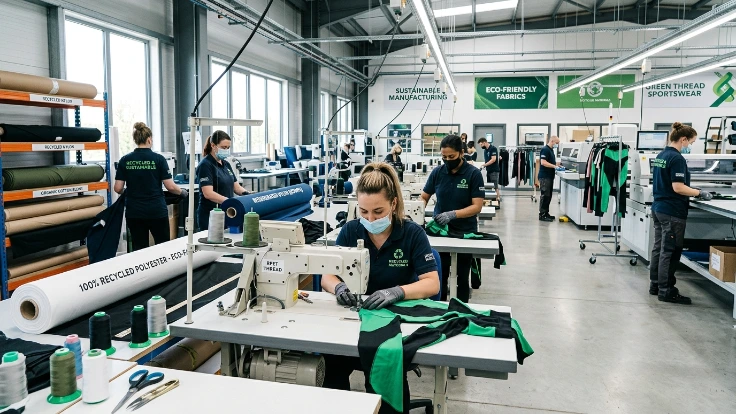
GHC Sportswear® supports custom badminton apparel, OEM/ODM production, private label development, sampling, bulk manufacturing, low MOQ options, and global B2B supply for startups, clubs, academies, retailers, wholesalers, and distributors.
For a broader manufacturing foundation, read Custom Sportswear Manufacturing Guide and Private Label Apparel Manufacturing Guide.
Step 11: Decide Your Branding and Decoration Methods
A badminton fashion line needs the right logo and decoration methods.
Common options include:
| Method | Best Use | Notes |
| Sublimation | Full-color polyester shirts | Best for bold badminton graphics |
| Heat transfer | Names, numbers, sponsor logos | Good for selected placements |
| Screen printing | Simple bold graphics | Works on suitable fabrics |
| Embroidery | Polos, jackets, premium apparel | Adds weight, not ideal for all match shirts |
| Woven labels | Private label branding | Strong for retail products |
| Rubber badges | Jackets and lifestyle pieces | Premium look |
| Custom packaging | Retail and private label | Improves brand presentation |
For full-pattern badminton shirts, sublimation is often one of the strongest methods because it allows detailed graphics without adding heavy layers.
Read more:
Step 12: Build Samples Before Bulk Production
Never launch a badminton fashion line without samples.
Samples help you test:
- Fabric feel
- Fit
- Movement
- Sweat comfort
- Logo placement
- Print quality
- Stitching
- Wash durability
- Size accuracy
- Color output
- Packaging presentation
Sample testing should include real badminton movement:
- Smash motion
- Lunge test
- Jump test
- Side-step test
- Serve motion
- Sweat session
- Wash test
- Player feedback
Do not approve bulk production only because the design looks good in a digital mockup. The court tells the truth.
Step 13: Test With Real Badminton Players
Your badminton fashion line should be tested by real users.
Ask players:
- Is the shirt breathable?
- Does it restrict shoulder movement?
- Are the shorts comfortable during lunges?
- Does the skort feel secure?
- Is the fabric too thin or too heavy?
- Does the shirt become uncomfortable when sweaty?
- Is the sizing accurate?
- Are the socks comfortable inside shoes?
- Does the uniform look professional?
- Would they wear it again?
Player feedback is product research.
A brand that listens before launch avoids expensive mistakes after launch.
Step 14: Build Pricing, MOQ, and Margin Strategy
A badminton fashion line needs business planning, not only design.
You need to calculate:
- Sample cost
- Bulk production cost
- Fabric cost
- Printing cost
- Labels and packaging
- Shipping cost
- Duties and taxes
- Website cost
- Marketing cost
- Photography cost
- Returns allowance
- Wholesale margin
- Retail margin
- Club discount structure
For B2B teamwear, you may need tiered pricing:
- 10–25 pieces
- 26–50 pieces
- 51–100 pieces
- 101–300 pieces
- 300+ pieces
For private label retail, you need margin planning across manufacturing, freight, customs, warehousing, marketplace fees, and advertising.
A good product with bad pricing can still fail.
Step 15: Set Up Your Online Presence
A modern badminton fashion line needs a clear online presence.
Your website should include:
- Homepage
- Product pages
- Collection pages
- About page
- Size guide
- Fabric guide
- Custom teamwear page
- Contact page
- FAQ page
- Shipping policy
- Returns policy
- Bulk order inquiry form
- Tech pack upload option
- WhatsApp contact option
Product pages should include:
- Product name
- Fabric details
- Fit type
- Available sizes
- Care instructions
- Customization options
- Team order option
- High-quality photos
- Video if possible
- FAQ section
- Clear CTA
For SEO, avoid thin product descriptions. Explain fabric, fit, use case, customization, and buyer type.
Step 16: Use SEO, AEO, and GEO from Day One
A badminton fashion line should not wait six months to think about SEO. Build search visibility from the start.
Create content around questions buyers ask:
- How to start a badminton clothing brand
- Best fabrics for badminton uniforms
- Badminton dress code rules
- Custom badminton uniform guide
- Badminton socks guide
- Proper badminton footwear
- Sublimation badminton shirts
- Private label badminton apparel
- Badminton teamwear manufacturer
- Sustainable badminton apparel
AEO and GEO matter because AI search engines and answer engines prefer clear, structured, factual content.
Make your website LLM-ready by adding:
- Clear definitions
- FAQs
- Product specifications
- Comparison tables
- Fabric explanations
- Buyer checklists
- Internal links
- External authority links
- Schema markup
- Contact details
- Real photos
- Clear company information
GHC Sportswear® has already built a strong badminton content network with guides such as Evolution of Badminton Uniforms, Badminton Fashion Do’s and Don’ts, Proper Footwear in Badminton, and Badminton Socks.
This is exactly how a badminton fashion line builds topical authority.
Step 17: Market Through Clubs, Academies, and Teams
A badminton fashion line should not rely only on individual buyers. B2B selling can be stronger.
Target:
- Badminton clubs
- Schools
- Colleges
- Universities
- Academies
- Corporate leagues
- Tournament organizers
- Local sports retailers
- Online racket-sport stores
- Teamwear distributors
- Badminton coaches
- Private training centers
Offer:
- Custom team kits
- Sponsor-ready layouts
- Bulk order pricing
- Academy packages
- Club shop support
- Private label options
- Seasonal collections
- Reorder systems
- Size-set samples
A badminton club may buy 30–100 uniforms at once. A retailer may reorder regularly. A school may need repeat supply every season. That is stronger than selling one shirt at a time.
Step 18: Use Social Media Properly
Social media can help launch a badminton fashion line, but only if the content is consistent.
Post content such as:
- Behind-the-scenes sampling
- Fabric testing
- Design mockups
- Team photos
- Player try-ons
- Court action videos
- Packaging reveals
- Before-and-after custom designs
- Club partnership posts
- Product education
- Care tips
- Size guide videos
- Badminton fashion tips
Best platforms:
- Instagram for visual branding
- TikTok for short badminton clips
- YouTube Shorts for product demos
- LinkedIn for B2B manufacturing and wholesale
- Pinterest for design inspiration
- Website blog for SEO traffic
Do not post only product photos. Teach buyers why your apparel is better.
Step 19: Add Sustainability Carefully
Sustainability can strengthen a badminton fashion line, but only if the claims are accurate.
Options include:
- Recycled polyester
- OEKO-TEX® STANDARD 100 tested fabrics
- Organic cotton for casual apparel
- Responsible packaging
- Durable construction
- Lower-waste production planning
- Better reorder systems
- Fabric documentation where available
OEKO-TEX® describes STANDARD 100 as a label for textiles tested for harmful substances, from yarn to finished product.
Avoid vague claims such as:
- 100% eco-friendly
- Completely green
- Chemical-free
- Planet-saving fabric
- Fully sustainable
Use accurate claims:
- Recycled polyester option available
- OEKO-TEX® STANDARD 100 tested fabric available on request
- Sustainable packaging options available
- Fabric documentation available where applicable
- Durable production planned for longer use
For deeper guidance, read Sustainable Sportswear Manufacturing and Sustainable Sports Clothing Certifications.
Step 20: Plan Your Launch Collection
Your launch collection should be small, focused, and easy to explain.
Example launch structure:
| Product | Purpose | Notes |
| Match Shirt 1 | Core performance item | Sublimated team design |
| Match Shirt 2 | Alternate colorway | Different buyer preference |
| Training Tee | Practice and casual play | Lower design complexity |
| Shorts | Core bottom | Men/unisex option |
| Skort | Women’s badminton apparel | Comfort and movement |
| Warm-Up Jacket | Premium add-on | Club/team identity |
| Socks | Accessory and upsell | Custom logo option |
A startup does not need too many SKUs. It needs the right first SKUs.
Badminton Fashion Line Startup Checklist
Before launching your badminton fashion line, confirm:
| Area | Checklist |
| Niche | Clear target buyer and product angle |
| Brand | Name, logo, colors, positioning |
| Products | First collection planned |
| Fabric | Performance and sustainability options selected |
| Design | Movement-friendly and dress-code-aware |
| Manufacturer | Sportswear production partner selected |
| Samples | Tested by real players |
| Size chart | Confirmed across target users |
| Pricing | Retail, wholesale, and bulk margins planned |
| Website | Product pages, FAQs, size guide, contact forms ready |
| Marketing | SEO, social, club outreach, content strategy ready |
| Packaging | Labels, polybags, hang tags, private label options |
| Compliance | Care labels, claims, and fabric documentation checked |
| Launch | Inventory or pre-order plan ready |
| Reorders | Future production plan prepared |
This checklist helps turn a dream into a serious badminton fashion business.
Common Mistakes When Starting a Badminton Fashion Line
Avoid these mistakes:
- Designing before choosing a niche
- Copying existing brands
- Ignoring badminton movement
- Using heavy fabric
- Choosing poor print methods
- Skipping samples
- Not testing with real players
- No size chart
- No women’s fit planning
- No youth sizing
- Ignoring dress codes
- Weak product photography
- No wholesale strategy
- No SEO content
- No reorder plan
- Overclaiming sustainability
- Choosing a manufacturer without sportswear experience
- Launching too many products too early
A strong badminton fashion line is built with discipline, not random inspiration.
Why Work with GHC Sportswear® for Your Badminton Fashion Line
GHC Sportswear® supports startups, clubs, academies, schools, retailers, wholesalers, distributors, private label businesses, and sportswear brands with custom sportswear manufacturing.
GHC Sportswear® can help with:
- Badminton fashion line development
- Custom badminton uniforms
- Private label badminton apparel
- Badminton match shirts
- Training tops
- Shorts
- Skirts and skorts
- Tracksuits
- Warm-up jackets
- Hoodies
- Custom badminton socks
- Sublimation printing
- Heat transfer logos
- Sponsor placement
- Woven labels
- Private label packaging
- Fabric selection
- Recycled polyester options
- Sampling
- Bulk production
- Reorder planning
Buyers can explore product categories through the GHC Sportswear® products page and manufacturing support through the GHC Sportswear® services page.
Strong CTA: Launch Your Badminton Fashion Line with a Manufacturer That Understands Sportswear
A badminton fashion line needs more than a logo and a website. It needs the right product strategy, fabric selection, fit, sampling, branding, and production support.
Send GHC Sportswear®:
- Brand concept
- Product list
- Logo files
- Design inspiration
- Fabric preference
- Size range
- Quantity
- Target buyer
- Packaging needs
- Tech pack if available
- Reference samples or photos
- Sustainability requirements
- Launch timeline
GHC Sportswear® can help convert your idea into custom badminton apparel that is ready for sampling, branding, and bulk production.
Contact GHC Sportswear® for badminton fashion line manufacturing:
WhatsApp GHC Sportswear®
Email: info@ghcsportswear.com
Contact page: GHC Sportswear® contact us
FAQ: Badminton Fashion Line
How do I start a badminton fashion line?
Start a badminton fashion line by choosing a niche, defining your target buyer, creating a brand identity, designing performance apparel, selecting fabrics, preparing tech packs, working with a sportswear manufacturer, testing samples, and launching through online and wholesale channels.
What products should a badminton fashion line include?
A badminton fashion line can include match shirts, training tops, shorts, skirts, skorts, tracksuits, warm-up jackets, hoodies, socks, and accessories.
What fabric is best for badminton apparel?
Polyester, recycled polyester, polyester mesh, polyester-spandex, and microfiber polyester are strong options because they support lightweight comfort, moisture control, stretch, and sublimation printing.
Do badminton uniforms need to follow dress codes?
Yes, competitive badminton uniforms should follow applicable club, tournament, school, federation, or BWF-related clothing rules, especially for player names, sponsor logos, and doubles uniform consistency.
Can I start a badminton clothing brand with low MOQ?
Yes, many startups begin with low MOQ sampling or small production runs before scaling. GHC Sportswear® supports low MOQ custom sportswear development depending on product type and requirements.
Can GHC Sportswear® manufacture private label badminton apparel?
Yes. GHC Sportswear® can support private label badminton apparel with custom designs, labels, packaging, fabric selection, sampling, and bulk production.
Is sustainable badminton apparel possible?
Yes. Sustainable badminton apparel can use recycled polyester, certified fabrics, responsible packaging, and durable construction. Claims should be accurate and supported by documentation where available.
Conclusion
Starting a badminton fashion line is a serious opportunity, but it requires more than stylish sketches. A successful brand needs market research, clear positioning, performance fabrics, strong design, reliable manufacturing, sample testing, pricing strategy, online presence, wholesale planning, and consistent marketing.
Badminton players need apparel that supports real court movement. Clubs need identity. Academies need repeatable teamwear. Retailers need products that sell. Private label brands need differentiation. Startups need manufacturing support that can turn ideas into real garments.
The best badminton fashion line combines performance, comfort, branding, and production reliability.
GHC Sportswear® helps B2B buyers build custom badminton apparel from concept to sample to bulk production, including match shirts, training tops, shorts, skorts, socks, tracksuits, private labels, and full teamwear systems.
Start focused. Test properly. Build your brand. Then scale with the right manufacturer.