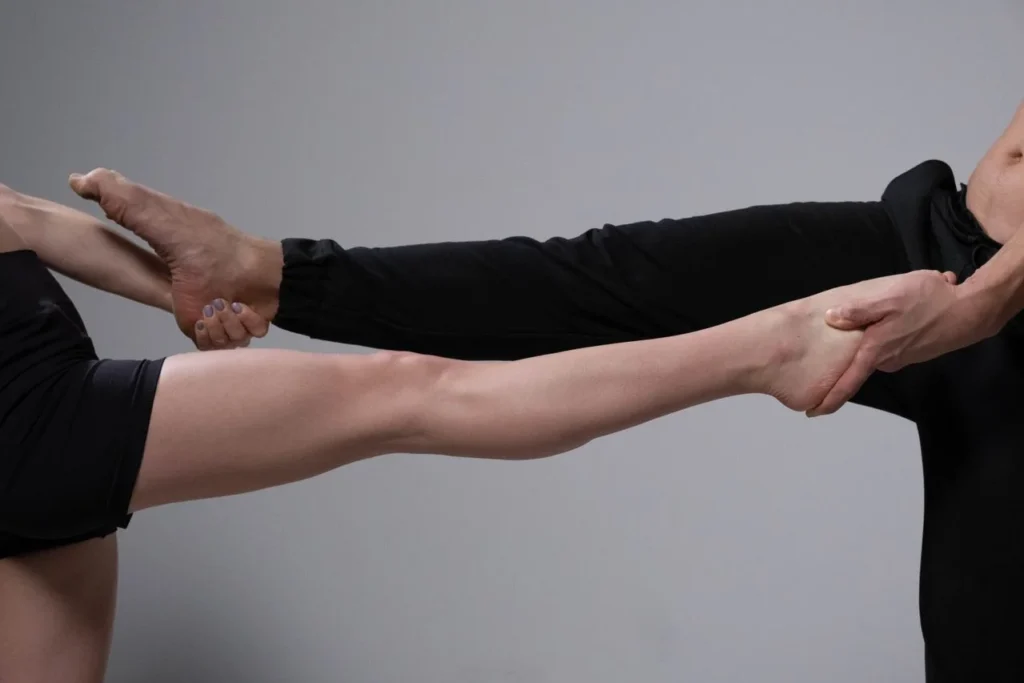
Performance Wear Trends 2026: Fabrics, Fit, Smart Tech & Activewear Innovation
Performance wear trends 2026 are being shaped by a more demanding activewear market. Athletes, gym users, sports teams, fitness brands, wholesalers, distributors, and private label startups no longer want sportswear that only looks stylish. They want apparel that performs during movement, feels comfortable for daily wear, lasts through repeated washing, supports different body types, and reflects modern expectations around sustainability, inclusivity, and product quality.
This is why performance wear in 2026 is not only about fashion colors or seasonal silhouettes. The real shift is technical. Fabric selection, fit development, sweat management, stretch recovery, smart textiles, compression support, inclusive sizing, and private label customization are becoming central to product success.
For B2B buyers, these trends matter because they influence what customers will expect from gym wear, activewear, yoga wear, sports bras, compression clothing, tracksuits, team uniforms, and athleisure collections. A product line that ignores performance, comfort, and durability can quickly lose trust in a competitive market.
GHC Sportswear® works with sportswear brands, gyms, clubs, academies, wholesalers, retailers, distributors, and private label startups that need custom performance wear, gym wear, activewear, yoga wear, sports bras, compression clothing, tracksuits, and teamwear manufacturing.
For a full production roadmap, read the Custom Sportswear Manufacturing Guide by GHC Sportswear®.
Direct Answer: What Are the Biggest Performance Wear Trends in 2026?
The biggest performance wear trends in 2026 are sustainable performance fabrics, smart textiles, athleisure, advanced moisture-wicking materials, temperature-regulating fabrics, inclusive sizing, gender-neutral activewear, retro-inspired styling, compression support, women’s technical activewear, teamwear customization, and private label performance wear.
The strongest 2026 direction is clear: sportswear must perform in the gym, look good outside the gym, and support a brand’s identity. Buyers should not follow trends blindly. They should choose trends that match their product category, customer base, budget, and manufacturing plan.
Quick Table: Performance Wear Trends 2026
| Trend | What It Means | Best Product Categories |
|---|---|---|
| Sustainable performance fabrics | Recycled, preferred, durable, or lower-impact materials | Gym wear, tracksuits, teamwear |
| Smart textiles | Sensor-enabled or data-supportive garments | Compression tops, training wear |
| Athleisure | Workout-to-casual clothing | Joggers, hoodies, leggings |
| Moisture-wicking fabrics | Sweat movement and faster drying | T-shirts, jerseys, gym wear |
| Temperature regulation | Fabrics that support thermal comfort | Outdoor wear, training tops |
| Inclusive sizing | Wider size ranges and better grading | Women’s activewear, teamwear |
| Gender-neutral styles | Universal silhouettes and flexible fit | Tracksuits, hoodies, training sets |
| Retro activewear | Vintage colors, logos, and silhouettes | Lifestyle sportswear |
| Compression support | Stretch, recovery, and controlled pressure | Compression tops, shorts, leggings |
| Private label customization | Brand-owned sportswear collections | Startups, gyms, retailers |
Trend 1: Sustainable Performance Fabrics Are a Serious Buyer Requirement
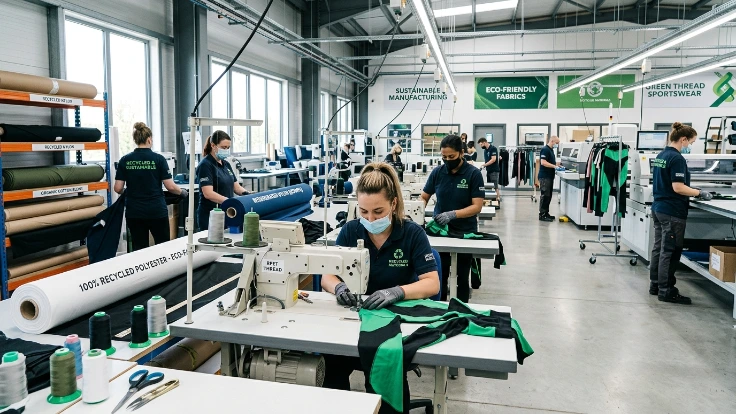
Sustainability remains one of the strongest performance wear trends in 2026, but buyers need to be careful. Vague “eco-friendly” claims are not enough. Brands must think about material source, garment durability, production waste, packaging, and how long the product will actually last.
Sustainable performance wear may include:
- recycled polyester
- recycled nylon
- organic cotton blends
- preferred cotton
- durable long-life fabrics
- lower-impact trims
- reduced packaging waste
- repair-conscious design
- responsible sourcing documentation
- stronger fabric testing before bulk production
The latest Textile Exchange Materials Market Report 2025 reported that polyester remained the most widely produced fiber globally, accounting for 59% of global fiber production in 2024. That matters because sportswear brands rely heavily on polyester for performance, durability, moisture handling, and sublimation printing.
However, sustainability does not mean simply switching materials and ignoring quality. A recycled polyester jersey that fails quickly is still a weak product. A durable garment that performs well and lasts longer may reduce replacement frequency. The best sustainable sportswear strategy combines better material choices with strong construction, accurate fit, and repeatable quality control.
For deeper cluster relevance, read GHC Sportswear®’s guide on Sustainable Sportswear Manufacturing.
Trend 2: Smart Sportswear Is Moving Toward Practical Performance
Smart sportswear is no longer only a futuristic idea. In 2026, smart textiles and connected garments are becoming more relevant for training, performance monitoring, posture tracking, recovery, and health-focused activewear.
Smart performance wear may include:
- textile sensors
- heart-rate monitoring
- motion tracking
- posture tracking
- strain sensors
- muscle activity feedback
- temperature monitoring
- recovery tracking
- connected compression wear
- wearable app integration
The Smart Textiles Market report by MarketsandMarkets projects the smart textiles market to grow from USD 2.41 billion in 2025 to USD 5.56 billion by 2030. A 2025 smart-textiles review also explains how textile processing and wearable technology are being integrated for sports and healthcare applications.
For sportswear brands, the practical lesson is important: smart features should solve real problems. A garment should not include technology only because it sounds modern. The feature must improve training, comfort, tracking, safety, or user experience.
Startups should first perfect core product quality: fabric, fit, stitching, support, wash durability, and branding. Smart textiles can be a future upgrade, but weak basic construction will still damage customer trust.
Trend 3: Athleisure Remains a Core 2026 Activewear Trend
Athleisure continues to dominate because customers want clothing that moves between gym, travel, casual wear, work-from-home routines, and daily lifestyle use. In 2026, performance wear is expected to look clean enough for everyday use while still functioning during workouts.
Athleisure products include:
- joggers
- hoodies
- tracksuits
- leggings
- crop tops
- oversized T-shirts
- zip jackets
- sweatshirts
- sports bras
- training shorts
- relaxed-fit activewear
The McKinsey Sporting Goods 2025 report highlights changing consumer behavior and the need for brands to respond to uncertainty, growth opportunities, and new preferences. Athleisure fits this market because it gives customers more use from one garment.
For brands, the mistake is treating athleisure like basic casualwear. Athleisure still needs sportswear-level thinking. Fabric recovery, stitching, fit, shrinkage control, and wash durability matter.
A hoodie may be casual, but if it pills quickly, shrinks badly, or loses shape, the customer will not see it as premium.
Trend 4: Fabric Innovation Is the Foundation of Performance Wear
Fabric innovation is one of the most important performance wear trends in 2026. A strong design cannot fix the wrong fabric. Whether the product is a gym T-shirt, sports bra, legging, cycling jersey, training short, hoodie, compression top, or team uniform, fabric affects the user experience.
Important fabric features include:
- moisture-wicking
- breathability
- quick drying
- stretch recovery
- softness
- opacity
- abrasion resistance
- pilling resistance
- anti-chafe comfort
- temperature regulation
- colorfastness
- wash durability
Research published in Sports Medicine – Open explains that sports clothing can influence thermoregulation, comfort, and performance during exercise in heat. The full research article, The Role of Sports Clothing in Thermoregulation, Comfort, and Performance During Exercise in the Heat, is useful for understanding why fabric choice matters beyond appearance.
For B2B buyers, this means fabric selection should be tied to activity type. A fabric for yoga leggings is not automatically correct for rugby training wear. A team jersey fabric may not be right for compression shorts. A hoodie fleece may not work for high-intensity gym training.
For more material guidance, read Synthetic vs Natural Fabrics in Sportswear and Moisture-Wicking Fabrics.
Performance Fabric Comparison for 2026
| Fabric / Blend | Main Strength | Best Use |
| Polyester-spandex | Moisture control, stretch, print compatibility | Gym wear, jerseys, training tops |
| Nylon-spandex | Smooth hand feel, stretch recovery, durability | Leggings, sports bras, yoga wear |
| Cotton-poly fleece | Comfort, structure, lifestyle performance | Hoodies, joggers, tracksuits |
| Polyester mesh | Airflow and breathability | Basketball kits, training jerseys |
| Compression knit | Support and shape retention | Compression tops and shorts |
| Recycled polyester | Performance with recycled input | Activewear, teamwear, gym wear |
| Soft yoga fabric | Stretch, comfort, flexibility | Yoga tops, leggings, sports bras |
The best fabric is not the one with the most trend value. The best fabric is the one that matches the product’s actual use.
Trend 5: Inclusive Sizing Is Now a Product Standard
Inclusive sizing is not optional for serious performance wear brands in 2026. Customers expect sportswear to fit real bodies. Teams need uniforms for different body types. Gyms need apparel for many members. Women’s activewear brands need extended sizing that supports comfort, confidence, and movement.
Inclusive performance wear should consider:
- extended size ranges
- plus-size fit development
- men’s and women’s cuts
- youth and adult sizing
- adjustable features
- body-mapped support
- fabric opacity
- waistband comfort
- sports bra support
- movement testing
The key mistake is simple: do not scale every size from a small sample without checking fit. Larger sizes need proper grading, seam placement, fabric recovery, waistband stability, and real movement testing.
For a deeper guide, read Plus-Size Custom Sportswear.
Trend 6: Gender-Inclusive Performance Wear Is Growing
Gender-inclusive activewear is growing because many customers want flexible, clean, and universal styling. This trend is especially useful for gyms, schools, academies, clubs, events, and lifestyle sportswear brands.
Gender-inclusive products may include:
- oversized training T-shirts
- unisex hoodies
- relaxed tracksuits
- neutral joggers
- boxy gym tops
- adjustable shorts
- clean minimal branding
- flexible size ranges
- shared teamwear designs
However, brands must be realistic. Gender-inclusive design does not mean every product should fit everyone the same way. Some products still need body-specific development, especially sports bras, leggings, compression wear, and fitted performance apparel.
The best strategy is not forcing one fit. The best strategy is offering flexible product options with clear sizing.
Trend 7: Retro-Inspired Activewear Is Returning With Modern Construction
Retro-inspired activewear is becoming popular because customers respond to nostalgia, bold color blocking, varsity-style designs, vintage logos, contrast panels, and heritage sportswear silhouettes.
Retro-inspired performance wear may include:
- varsity jackets
- old-school tracksuits
- bold stripe panels
- oversized sweatshirts
- classic gym shorts
- vintage color palettes
- throwback team kits
- bold chest logos
- heritage-style typography
This trend is useful for private label brands because it creates a strong visual identity. But the product should not be old in performance. A retro tracksuit should still use modern stitching, improved fit, durable fabric, and strong finishing.
If you are building a private label line, use retro styling as a brand story, not as an excuse for weak construction. For brand-building steps, read the Private Label Apparel Manufacturing Guide.
Trend 8: Compression Wear Remains Important in 2026
Compression wear continues to be important because athletes and gym users want support, a secure fit, and performance-focused apparel. Compression products are used in gym training, running, cycling, football, rugby, base layers, and recovery-focused activewear.
Compression wear may include:
- compression tops
- compression shorts
- compression tights
- base layers
- sports bras
- arm sleeves
- training leggings
- recovery wear
The key is balance. Compression should not be so tight that it restricts breathing, causes discomfort, or limits movement. Proper compression wear depends on fabric recovery, pressure level, seam strength, waistband support, stretch direction, and size grading.
For a full category guide, read Compression Clothing.
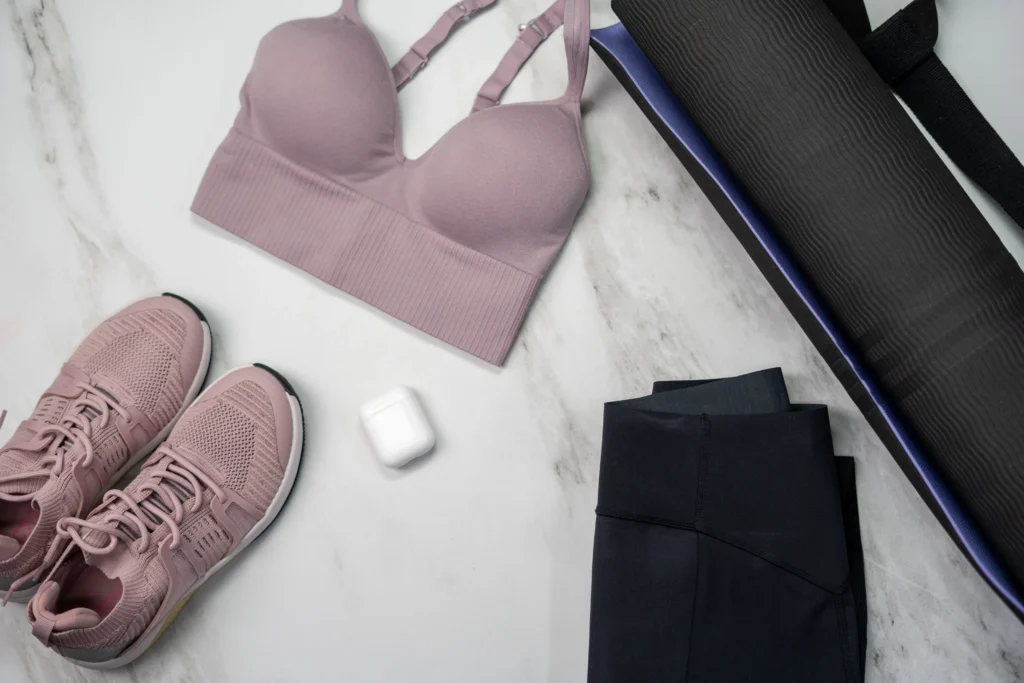
Trend 9: Women’s Technical Activewear Is Becoming More Advanced
Women’s performance wear in 2026 is more technical than before. Buyers expect more than basic leggings and crop tops. They want better sports bras, squat-proof leggings, supportive waistbands, breathable fabrics, inclusive sizing, matching sets, and products that perform during actual workouts.
Important women’s performance wear categories include:
- sports bras
- leggings
- biker shorts
- compression shorts
- yoga tops
- gym T-shirts
- training jackets
- tracksuits
- plus-size activewear
- matching activewear sets
Sports bras are especially technical because they must manage support, stretch, sweat, pressure, straps, cup shape, and movement. For sports bra development, read Sports Bra Myths.
GHC Sportswear® supports custom women’s sportswear manufacturing and custom women’s yoga wear manufacturing for brands, gyms, retailers, wholesalers, and private label buyers.
Trend 10: Customization Is a Major Competitive Advantage
Customization is one of the strongest B2B performance wear trends in 2026. Brands want products that reflect their own identity, not generic apparel copied from the market.
Custom performance wear can include:
- custom fabrics
- custom sizing
- custom colors
- private labels
- custom packaging
- logo placement
- sublimation printing
- embroidery
- heat transfer
- silicone badges
- woven patches
- custom patterns
- branded activewear sets
This trend matters for:
- gyms
- fitness brands
- sportswear startups
- teams
- clubs
- academies
- wholesalers
- retailers
- distributors
- private label businesses
If you are choosing a production partner, read the Custom Sportswear Manufacturer Guide before placing an order.
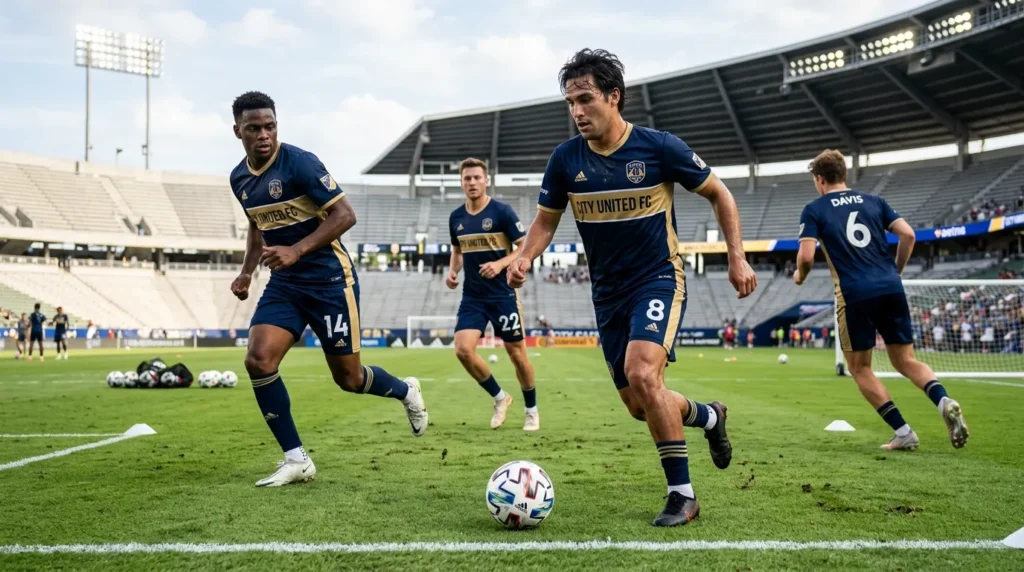
Trend 11: Teamwear Is Becoming More Performance-Focused
Teamwear is no longer only about colors, names, numbers, and sponsor logos. In 2026, teams expect breathable fabrics, strong stitching, sponsor visibility, better sizing, moisture control, and reorder consistency.
Modern teamwear should include:
- breathable fabric
- strong stitching
- clear numbers
- sponsor placement
- size consistency
- moisture control
- player names
- color matching
- reordering support
- warm-up apparel
- training kits
For clubs and academies, custom sportswear benefits include identity, comfort, team unity, sponsor visibility, and professional presentation. Read the full article here: Custom Sportswear Benefits.
Teams that need sport-specific uniforms should also review the Custom Sports Uniforms Guide and the custom wholesale sports uniforms manufacturer page.
Trend 12: Private Label Performance Wear Is Growing
Private label performance wear is growing because gyms, fitness influencers, retailers, local sportswear brands, and online startups want their own branded products. The advantage is control. A private label brand can choose fit, fabric, packaging, labels, colors, size range, and brand positioning.
Private label performance wear may include:
- leggings
- sports bras
- gym T-shirts
- compression shorts
- hoodies
- tracksuits
- yoga sets
- joggers
- training kits
- athleisure sets
The challenge is quality control. A private label activewear product must be tested before bulk production. Buyers should approve fabric, fit, logo placement, wash performance, and packaging before scaling.
For startups, private label success usually starts with a focused product range. Do not launch too many products at once. Start with a few strong items, test the market, then expand.
Performance Wear Development Checklist for Brands
| Step | What to Decide |
| Product category | Gym wear, yoga wear, teamwear, compression, athleisure |
| Target customer | Athletes, gyms, teams, retailers, plus-size market |
| Fabric direction | Polyester, nylon, cotton blend, recycled option |
| Fit | Slim, relaxed, compression, oversized, unisex |
| Performance need | Sweat control, stretch, support, warmth, airflow |
| Branding | Logo, labels, tags, packaging, badges |
| Size range | Standard, extended, plus-size, youth, adult |
| Sampling | Fit, wash, stretch, movement, opacity |
| MOQ | Sample quantity and bulk quantity |
| Reorder plan | Fabric continuity and color consistency |
Brands should not chase every 2026 trend. They should choose trends that match their audience, budget, and production strategy.
Common Mistakes in Performance Wear Development
Avoid these mistakes when developing a performance wear collection:
- choosing fabric only by appearance
- ignoring stretch recovery
- using poor-quality waistbands
- skipping movement testing
- using weak stitching
- copying trends without market fit
- ignoring plus-size grading
- adding smart features without real use
- choosing packaging too late
- using poor logo placement
- not checking wash durability
- skipping samples before bulk production
Performance wear succeeds when design, fabric, fit, and manufacturing work together.
How GHC Sportswear® Supports Performance Wear Trends 2026
GHC Sportswear® helps brands, teams, gyms, clubs, academies, wholesalers, distributors, retailers, and private label startups develop custom performance wear based on real product needs.
We support:
- gym wear
- activewear
- yoga wear
- sports bras
- leggings
- compression clothing
- tracksuits
- hoodies
- team uniforms
- training kits
- men’s sportswear
- women’s sportswear
- plus-size sportswear
- private label sportswear
- custom labels
- branded packaging
- sampling
- bulk production
- global shipping
Buyers can explore more categories through the GHC Sportswear® product range.
GHC Sportswear® also explains broader product development and manufacturing support on the services page.
Frequently Asked Questions About Performance Wear Trends 2026
What are the biggest performance wear trends in 2026?
The biggest performance wear trends in 2026 include sustainable fabrics, smart textiles, athleisure, moisture-wicking materials, inclusive sizing, gender-neutral design, retro styling, compression wear, women’s technical activewear, and private label customization.
Is sustainable activewear still important in 2026?
Yes. Sustainable activewear remains important, but buyers should focus on real material choices, durability, responsible sourcing, product lifespan, and reduced waste instead of vague eco-friendly claims.
Are smart textiles useful for sportswear brands?
Smart textiles can be useful when they solve real training, monitoring, recovery, or safety problems. Brands must also consider washing durability, comfort, cost, data accuracy, and customer need.
What fabric is best for performance wear?
The best fabric depends on the product. Polyester-spandex works well for gym wear, nylon-spandex is strong for leggings and sports bras, polyester mesh works for jerseys, and cotton-poly fleece is useful for hoodies and tracksuits.
Why is inclusive sizing important in performance wear?
Inclusive sizing helps brands serve more customers and reduces fit complaints. It is especially important for women’s activewear, teamwear, sports bras, leggings, and plus-size sportswear.
Can GHC Sportswear® manufacture custom performance wear?
Yes. GHC Sportswear® supports custom performance wear, gym wear, activewear, yoga wear, sports bras, compression apparel, teamwear, tracksuits, private label sportswear, sampling, branding, packaging, and bulk production.
Need Custom Performance Wear for Your Brand or Team?
GHC Sportswear® works with sportswear brands, gyms, clubs, academies, wholesalers, distributors, retailers, private label startups, and teamwear buyers that need custom performance wear manufacturing.
We can help with:
- custom performance wear
- gym wear
- activewear
- yoga wear
- sports bras
- leggings
- compression clothing
- tracksuits
- hoodies
- teamwear
- private label sportswear
- custom labels
- branded packaging
- fabric selection
- sampling
- bulk production
If your brand or team wants to build performance wear that matches 2026 activewear trends while staying practical for real athletes and customers, GHC Sportswear® can help with product development, sampling, branding, and manufacturing.
To discuss custom performance wear production, contact GHC Sportswear® here: Contact GHC Sportswear®.
WhatsApp: https://wa.me/ghcsportswear
Email: info@ghcsportswear.com
Final Thoughts
Performance wear trends 2026 are not only about style. The strongest trends are connected to better fabric technology, stronger fit, inclusive sizing, sustainability, smart textiles, athleisure, compression support, women’s technical activewear, and custom brand identity.
For B2B buyers, the lesson is simple: do not chase trends blindly. Choose trends that match your customer, activity type, price point, and production plan. A gym brand may need moisture-wicking performance tops and leggings. A yoga brand may need soft stretch fabrics and inclusive sizing. A team may need durable uniforms and sponsor branding. A private label startup may need custom packaging, samples, and low-MOQ production before scaling.
GHC Sportswear® helps buyers turn 2026 performance wear trends into real products through fabric selection, sampling, custom branding, private label support, and bulk manufacturing.
The future of performance wear belongs to brands that combine comfort, function, identity, and reliable production.