Match-Fixing and Corruption: How They Damage Global Sports
Match-fixing and corruption are among the biggest threats to modern sport. They damage fair competition, weaken fan trust, hurt honest athletes, create legal risks, and turn games into tools for money, power, and manipulation.
Sport works because people believe the contest is real.
Fans watch because they believe both teams are trying to win. Athletes train because they believe performance matters. Sponsors invest because they believe sport carries trust, emotion, and public attention. Clubs grow because supporters believe in the badge, colors, players, and story.
When match-fixing and corruption enter the game, that trust breaks.
A fixed match is not only a dishonest result. It is a betrayal of fans, athletes, coaches, clubs, leagues, sponsors, broadcasters, and everyone who depends on fair play. Corruption inside sports organizations is just as damaging because it affects decisions, leadership, competitions, money, appointments, and public confidence.
This article explains how match-fixing and corruption work, why they spread, famous examples from global sport, how they affect athletes and teams, and why stronger integrity systems are essential for the future of sport.
What Match-Fixing and Corruption Mean in Sport
Match-fixing means manipulating part or all of a sporting event for an unfair benefit. That benefit is often financial, but it can also involve promotion, relegation, qualification, political pressure, or personal advantage.
Corruption in sport is broader. It can include bribery, illegal payments, vote manipulation, embezzlement, misuse of power, insider information, unfair appointments, or abuse of governance positions.
The United Nations Office on Drugs and Crime describes sport-specific corruption as including competition manipulation, commonly known as match-fixing. Its Safeguarding Sport resources explain why manipulation of sporting competitions is a serious global integrity issue.
Match-fixing and corruption can involve:
- Players
- Coaches
- Referees
- Club officials
- Agents
- Betting syndicates
- Criminal groups
- League administrators
- Sports governing bodies
- Sponsors or intermediaries
- People with inside information
Not every case involves the final score. Some manipulation is smaller and harder to detect. A player might deliberately receive a yellow card. A bowler might deliver a no-ball. A tennis player might lose one service game. A referee might influence key decisions. These smaller events can still be connected to betting markets or corrupt arrangements.
That is why modern sports integrity is no longer only about watching the final result. It also requires monitoring betting patterns, player behavior, officiating, financial flows, and suspicious communication.
Why Match-Fixing and Corruption Spread
Match-fixing and corruption spread when money, weak oversight, pressure, and opportunity meet.
Sport now operates in a global environment. Matches are broadcast worldwide. Betting markets are open across borders. Online platforms allow bets on small events inside games. Lower-level athletes may earn little money while betting markets around their matches can be worth much more.
This creates risk.
Common conditions that allow match-fixing and corruption include:
- Weak regulations
- Poor player salaries
- Lack of athlete education
- Unregulated betting markets
- Illegal gambling networks
- Poor governance
- Limited investigation powers
- Financial pressure on athletes
- Lack of whistleblower protection
- Weak punishments
- Insider access to team information
INTERPOL explains that match-fixing and other sports crimes can help organized syndicates generate profits and launder illegal proceeds with limited risk of detection. Its page on corruption in sport shows why sports integrity is also a law-enforcement issue.
The problem is not limited to one country or one sport. Football, cricket, tennis, basketball, boxing, esports, lower-league competitions, and smaller sports can all be vulnerable.
The Link Between Betting Markets and Match-Fixing
Modern betting markets are one of the biggest reasons match-fixing and corruption have become more complex.
Betting does not automatically mean corruption. Legal and regulated betting exists in many places. But betting markets can create opportunities for manipulation, especially when illegal operators, weak rules, or vulnerable athletes are involved.
GHC Sportswear® recently covered this wider issue in Hidden World of Sports Betting, which explains how betting risks, athlete pressure, illegal markets, and responsible gambling connect to sports integrity.
Match-fixing can happen when corrupt actors use betting markets to profit from manipulated events. They may target:
- Lower-paid athletes
- Lower-tier competitions
- Youth or semi-professional sport
- Officials with financial pressure
- Players with gambling problems
- Matches with low media attention
- Events with weak monitoring
Some fixing is based on the final result. Other fixing is based on smaller moments inside a game. These are sometimes called spot-fixing events.
Examples may include:
- A player intentionally making an error
- A bowler deliberately bowling a no-ball
- A footballer receiving a planned card
- A tennis player losing a set or game
- A referee giving a suspicious decision
- A team leaking injury information
These events can look ordinary to casual fans, which makes detection difficult.
Famous Match-Fixing and Corruption Cases
Some match-fixing and corruption scandals became global stories because they affected major sports, famous teams, or respected athletes.
Cricket and the 2000 match-fixing scandal
One of the most famous cricket scandals involved South African captain Hansie Cronje in 2000. ESPNcricinfo’s timeline on how the match-fixing drama unfolded shows how allegations, police investigations, and player admissions shook international cricket.
The scandal damaged trust because cricket is a sport built on patience, tradition, and public confidence. When a respected international captain became linked to fixing, fans realized that even elite sport could be vulnerable.
Calciopoli and Italian football
Italian football’s 2006 Calciopoli scandal remains one of the most famous corruption cases in football history. Reuters has reported that Juventus were relegated to Serie B and stripped of league titles after the scandal. The case involved concerns around referee appointments and influence inside Italian football. Reuters’ summary of Juventus history includes the Calciopoli punishment.
This case showed that corruption does not always look like a player deliberately losing. It can also involve influence over systems, officials, and appointments.
FIFA corruption scandal
The 2015 FIFA corruption case became a major global governance scandal. The U.S. Department of Justice announced that nine FIFA officials and five corporate executives were indicted for racketeering conspiracy and corruption. The DOJ’s official release on the FIFA corruption indictment remains one of the key primary sources for the case.
This scandal was not about one fixed match. It was about governance, bribery, marketing rights, money flows, and trust in football administration.
Together, these cases show that match-fixing and corruption can affect athletes, clubs, leagues, and governing bodies in different ways.
Match-Fixing vs Corruption: What Is the Difference?
Match-fixing and corruption often overlap, but they are not exactly the same.
| Area | Match-Fixing | Corruption |
|---|---|---|
| Main Focus | Manipulating sporting action or result | Misusing power, money, or position |
| Common Actors | Players, referees, coaches, betting syndicates | Officials, executives, administrators, intermediaries |
| Example | A player deliberately underperforms | A vote is influenced by a bribe |
| Direct Impact | Damages the competition result | Damages governance and trust |
| Link to Betting | Often connected | May or may not involve betting |
| Detection | Betting patterns, performance analysis, investigation | Financial audits, whistleblowers, law enforcement |
A sport can suffer from both at the same time. A corrupt organization may fail to prevent match-fixing. A match-fixing network may rely on corrupt officials. A weak league may become vulnerable to both.
How Match-Fixing and Corruption Damage Athletes
Athletes are often among the biggest victims of match-fixing and corruption.
Some athletes are pressured or threatened by criminals. Some are approached when they are young, underpaid, isolated, or financially vulnerable. Some may be tempted by short-term money without understanding the long-term consequences. Others may be falsely suspected because of one bad performance.
The damage can include:
- Career-ending bans
- Loss of reputation
- Mental stress
- Legal consequences
- Threats from criminal groups
- Suspicion from fans
- Team distrust
- Loss of sponsorships
- Public shame
- Family pressure
Even honest athletes can suffer. If a sport becomes known for corruption, every mistake becomes suspicious. A missed shot, dropped catch, poor call, or bad tactical decision can be judged unfairly.
This is one of the hidden harms of match-fixing and corruption. It creates doubt around normal human error.
Sport is supposed to allow athletes to fail honestly. Corruption makes every failure look questionable.
How Teams and Clubs Are Affected
A match-fixing scandal can damage an entire team, even if only one person is involved.
Teams may face:
- Fines
- Points deductions
- Relegation
- Loss of sponsors
- Fan anger
- Media pressure
- Internal distrust
- Legal investigation
- Player departures
- Long-term reputation damage
Team culture depends on trust. Players must believe teammates are giving full effort. Coaches must trust players. Fans must trust the club. Sponsors must trust the organization.
Once that trust is damaged, it can take years to rebuild.
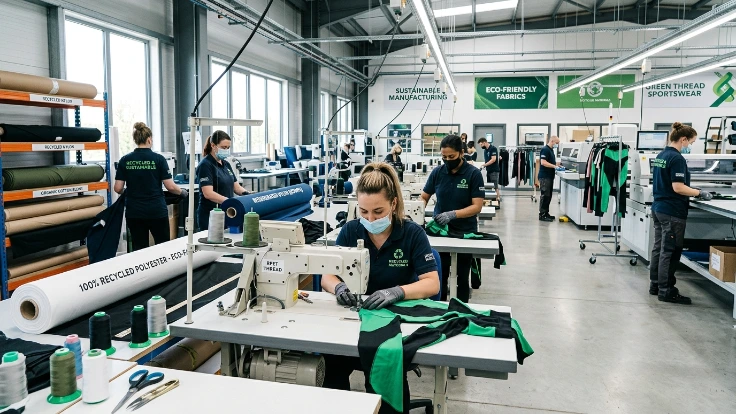
This is why professional presentation and ethical culture matter together. A club should look organized, but it must also act professionally.
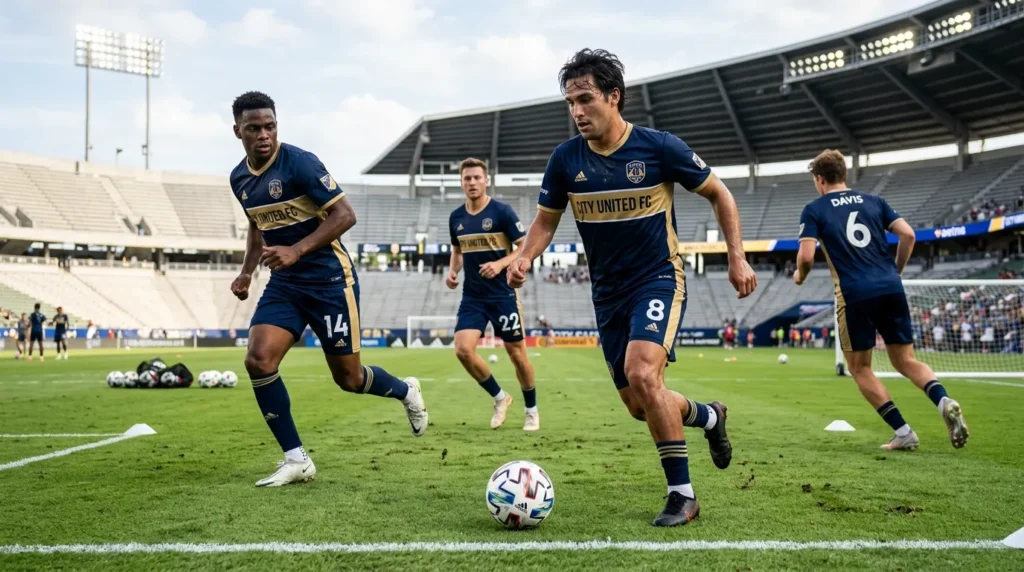
Custom uniforms, training wear, sponsor logos, and team branding are part of public identity. But real identity must also include values, discipline, and fair play.
GHC Sportswear® covers the role of team presentation in Custom Team Uniforms Benefits, where uniform consistency, team identity, and professional appearance are explained for clubs, academies, and B2B buyers.
Why Fan Trust Is So Important
Fans are the foundation of sport. They buy tickets, watch broadcasts, support sponsors, purchase merchandise, follow clubs online, and teach the next generation to care.
Match-fixing and corruption attack that relationship directly.
Fans can accept losing. They can accept mistakes. They can accept bad luck. What they cannot accept is being fooled.
When fans believe a result was manipulated, the emotional connection weakens. They may stop watching, stop attending, stop buying merchandise, or stop believing in the league.
Fan trust affects:
- Ticket sales
- Broadcast value
- Sponsorship value
- Merchandise sales
- Youth participation
- Club reputation
- League credibility
- Long-term commercial growth
Sport is entertainment, but it is also emotional loyalty. Corruption turns loyalty into doubt.
How Corruption Affects Sponsors and Brands
Sponsors invest in sport because they want trust, attention, and emotional connection. But when a team, league, athlete, or governing body becomes linked to corruption, sponsors face reputation risk.
A sponsor may ask:
- Will this scandal damage our brand?
- Should we continue the partnership?
- Are fans angry?
- Is the team still credible?
- Will the logo appear next to negative headlines?
- Does the partnership still match our values?
GHC Sportswear® explored unusual and risky partnerships in Strangest Sponsorship Deals in Sports, showing how sports marketing can become powerful or risky depending on fit, trust, and public perception.
Uniforms are one of the main places sponsor identity appears. That means sponsor placement must be handled professionally.
A team shirt should balance:
- Team colors
- Sponsor logo visibility
- Player number readability
- Fabric performance
- Print durability
- Clean design
- Brand fit
- Fan acceptance
GHC Sportswear® helps teams and B2B buyers create sponsor-ready apparel through custom uniforms, sublimation printing, heat transfer printing, embroidery, and bulk teamwear production.
The Role of Rules in Protecting Fair Play
Clear rules are essential in the fight against match-fixing and corruption.
If rules are weak, corrupt actors find gaps. If enforcement is slow, offenders feel protected. If players are not educated, they may not understand the risks. If leagues do not monitor betting patterns, manipulation can go unnoticed.
Good sports integrity systems need:
- Clear competition rules
- Strong referee standards
- Betting monitoring
- Athlete education
- Whistleblower protection
- Strict penalties
- Transparent investigations
- Independent oversight
- Responsible sponsorship policies
- Cooperation with law enforcement
GHC Sportswear® recently explained how unusual rules shape sport in Quirky Sports Rules. That article looks at how rules protect fairness in games such as baseball, cricket, rugby, tennis, table tennis, and kabaddi.
The same principle applies here. Rules are not just paperwork. They are the structure that keeps sport fair.
Whistleblowers and Investigations
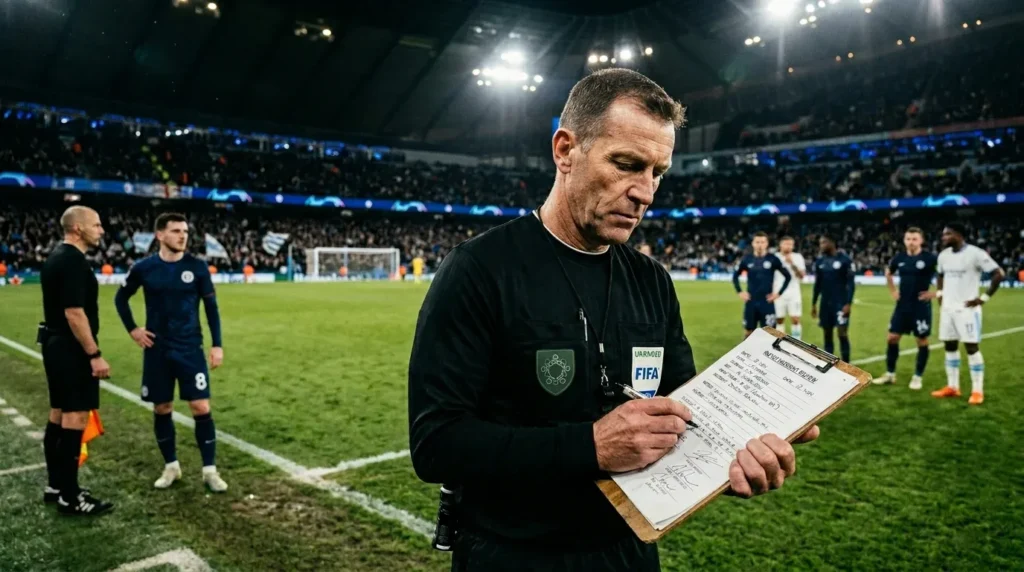
Whistleblowers can be critical in exposing match-fixing and corruption. Many corrupt systems survive because insiders stay silent. When athletes, officials, staff, or administrators speak out, they can help uncover serious wrongdoing.
But whistleblowers often face risk.
They may fear:
- Losing their job
- Being blacklisted
- Threats or intimidation
- Legal pressure
- Public criticism
- Team backlash
- Personal safety issues
This is why sports organizations need safe reporting channels. A player should be able to report suspicious approaches. A staff member should be able to report financial misconduct. A referee should be able to report pressure or bribery attempts.
Whistleblower protection is not optional. It is part of sports integrity.
Preventing Match-Fixing and Corruption
Match-fixing and corruption cannot be solved by one policy. They require a full system.
Sports organizations should focus on:
- Education for athletes and staff
- Clear betting rules
- Strong governance
- Better payment security for athletes
- Monitoring suspicious betting
- Protecting whistleblowers
- Working with law enforcement
- Regular audits
- Transparent leadership
- Strict sanctions
- Clear sponsor standards
- Strong communication with fans
Prevention should begin early. Young athletes need to understand that even small corrupt actions can destroy a career. Coaches need to understand how to spot warning signs. Clubs need policies for inside information. Leagues need systems to detect unusual betting activity.
Integrity is easier to protect before a scandal than after one.
Match-Fixing and Corruption Risk Areas
| Risk Area | Why It Matters | Who Is Affected |
| Illegal betting | Can connect sport to criminal groups | Athletes, fans, leagues |
| Low player salaries | Makes athletes more vulnerable | Lower-tier players |
| Insider information | Gives unfair betting advantage | Teams and betting markets |
| Weak governance | Allows corruption to spread | Clubs and federations |
| Poor whistleblower protection | Stops people from reporting | Athletes and staff |
| Sponsor pressure | Can create brand and reputation risk | Teams and brands |
| Referee manipulation | Directly affects fair play | Players and fans |
| Lack of education | Leaves athletes exposed | Young players and academies |
This table shows that match-fixing and corruption are not isolated problems. They affect the whole sports ecosystem.
What Teams and Academies Can Learn
Teams and academies should treat integrity as part of athlete development.
Young athletes should learn:
- Never share inside team information
- Never bet on their own sport if rules prohibit it
- Report suspicious approaches
- Avoid illegal gambling groups
- Understand contract and league rules
- Respect fair play
- Protect team trust
- Take online harassment seriously
- Ask for help if pressured
A strong academy is not only about training drills. It also teaches values, discipline, teamwork, and responsibility.
Apparel can support this culture by creating a professional identity. When athletes wear organized uniforms and training wear, they feel part of a serious program.
Teams, clubs, and academies can explore relevant apparel categories through the custom wholesale sports uniforms manufacturer page and the wider GHC Sportswear® products page.
Match-Fixing, Corruption, and Sports Culture
Sports culture is shaped by stories. Some stories are inspiring. Some are strange. Some are warnings.
GHC Sportswear® has published several sports-culture articles that show different sides of sport:
- Sports Ghost Stories explores folklore, cursed teams, haunted stadium legends, and fan memory.
- Forgotten Sports from History shows how old sports disappeared as society changed.
- Forgotten Olympic Sports explains how the Olympic program evolved over time.
- Hidden World of Sports Betting explains the risks behind betting culture.
Match-fixing and corruption belong in this wider sports-culture conversation because they show what happens when trust breaks.
Sport can inspire people, but only when people believe the contest is honest.
Apparel, Identity, and Integrity
At first, apparel may seem unrelated to match-fixing and corruption. But in sport, presentation and trust are connected.
A professional team identity includes:
- Clean uniforms
- Clear numbers
- Consistent colors
- Quality fabrics
- Sponsor-ready branding
- Durable printing
- Proper fit
- Team discipline
- Fair play standards
- Strong leadership
A uniform cannot stop corruption. But professional apparel helps teams look organized, credible, and serious. It supports the culture a team wants to build.
GHC Sportswear® supports brands, teams, clubs, academies, wholesalers, distributors, retailers, and private label businesses with custom sportswear designed for real athletic use.
Buyers can learn more about product development, printing, and fabric choices through these related guides:
- Screen Printing vs Sublimation
- Sublimation Printing
- Heat Transfer Printing
- DTG Printing
- Moisture-Wicking Fabrics
These guides help teams and buyers choose the right methods for logos, names, numbers, sponsor marks, and performance apparel.
Build Professional Sportswear with GHC Sportswear®
Match-fixing and corruption remind us that sport depends on trust. Teams, clubs, academies, and brands must protect that trust through fair play, professional standards, and strong identity.
If you are building uniforms, training kits, sponsor-ready apparel, event clothing, or private label sportswear, GHC Sportswear® can help you create products that look professional and support real athletic use.
GHC Sportswear® works with:
- Sports teams
- Clubs
- Academies
- Schools
- Colleges
- Sportswear brands
- Retailers
- Wholesalers
- Distributors
- Private label businesses
- Event organizers
GHC Sportswear® can support:
- Custom sports uniforms
- Teamwear production
- Sponsor logo placement
- Names and numbers
- Tracksuits
- Training shirts
- Hoodies
- Performance T-shirts
- Athletic shorts
- Compression wear
- Custom logos
- Private labels
- Bulk production
- Branding and packaging
Buyers can explore manufacturing support through the GHC Sportswear® services page and product categories through the GHC Sportswear® products page.
For B2B buyers, the goal is not only to produce apparel. The goal is to create sportswear that supports athlete performance, team identity, sponsor visibility, and long-term trust.
Contact GHC Sportswear® for custom sportswear manufacturing support:
WhatsApp: https://wa.me/ghcsportswear
Email: info@ghcsportswear.com
Contact page: GHC Sportswear® contact us
Conclusion
Match-fixing and corruption are serious threats to global sport. They damage fair competition, weaken fan trust, hurt honest athletes, create legal risks, and reduce the credibility of teams, leagues, sponsors, and governing bodies.
Match-fixing manipulates the contest itself. Corruption damages the systems around the contest. Both are dangerous because sport depends on honesty.
The fight against match-fixing and corruption requires strong rules, athlete education, betting monitoring, whistleblower protection, transparent governance, responsible sponsorship, and serious enforcement.
Fans need to believe the game is real. Athletes need to know their effort matters. Teams need to protect their reputation. Sponsors need to support trustworthy organizations. Governing bodies need to act with transparency and accountability.
Sport is powerful because it brings people together around fair competition.
That trust must be protected.
GHC Sportswear® supports teams, clubs, academies, sportswear brands, wholesalers, distributors, retailers, and private label businesses with custom sportswear that helps organizations present themselves professionally in a sports world where integrity, identity, and trust matter.
Related Blog:
Hidden World of Sports Betting: https://ghcsportswear.com/hidden-world-of-sports-betting/
Quirky Sports Rules: https://ghcsportswear.com/quirky-sports-rules/
Strangest Sponsorship Deals in Sports: https://ghcsportswear.com/strangest-sponsorship-deals-in-sports/
Custom Team Uniforms Benefits: https://ghcsportswear.com/custom-team-uniforms-benefits/
Sports Ghost Stories: https://ghcsportswear.com/sports-ghost-stories/